
 English
 русский
 Español
 عربى
عربى
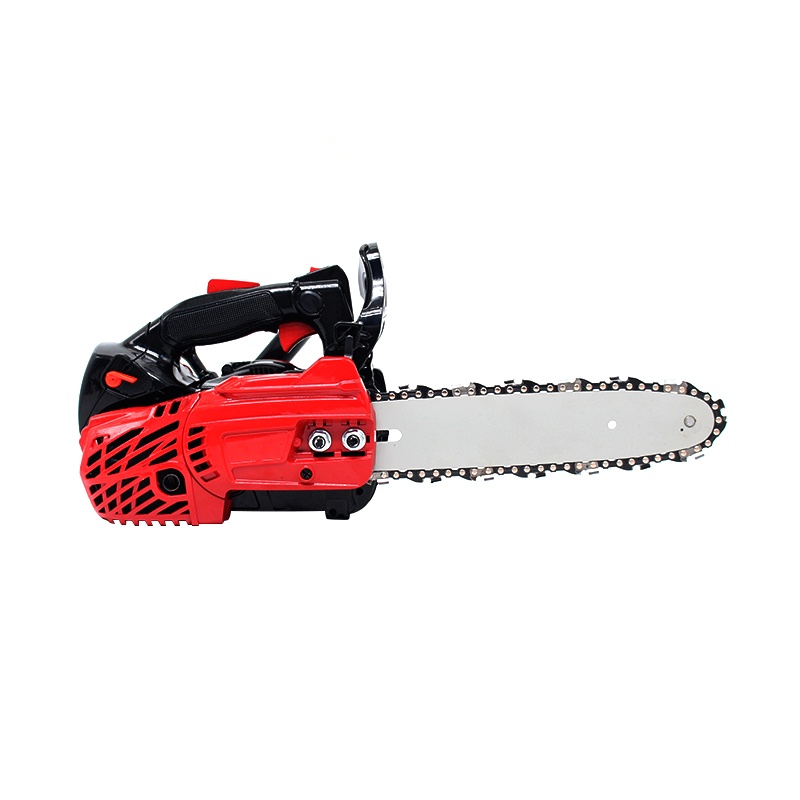
Shifting user expectations in outdoor power equipment have brought new attention to compatibility, repairability, and long-term usability. While battery ecosystems now connect multiple cordless tools through shared power sources, gasoline-powered equipment continues to play a vital role, especially in forestry, landscaping, and remote work environments where charging infrastructure may not be available. Within this context, Chain Saw Accessories and components such as the Gasoline Chainsaw Single Recoil Starter remain essential for ensuring operational readiness, user control, and maintenance flexibility. Rather than being viewed as isolated spare parts, these accessories form part of a broader ecosystem that supports equipment continuity, cost management, and responsible resource use.
Why Do Mechanical Starting Components Still Matter in Expanding Tool Ecosystems?
The rapid growth of modular battery platforms has influenced how users think about tool ownership. Many users now expect accessories and components to be interchangeable, maintainable, and accessible. Gasoline-powered chainsaws, despite lacking shared battery systems, benefit from a similar modular philosophy. The recoil starter represents a key interface between the user and the engine. It converts manual pulling force into rotational energy, allowing the engine to begin combustion.
Unlike sealed electronic systems, mechanical starters can be serviced, repaired, or replaced individually. This characteristic supports a longer product lifespan and reduces the need to discard an entire chainsaw due to a single worn component. As a result, chainsaws with replaceable starter assemblies align with the same sustainability goals seen in modular battery platforms—reducing waste and extending functional service periods.
In addition, gasoline chainsaws remain common in professional applications such as forestry thinning, storm cleanup, and agricultural maintenance. These environments often require immediate startup capability without reliance on external power sources. The recoil starter provides a direct and independent method of activation, making it compatible with a wide range of field conditions.
How Does the Recoil Starter Function Within the Chainsaw System?
Understanding how the recoil starter interacts with the engine helps users identify its importance among supporting components. The system includes a pull cord, spring assembly, pulley, housing, and engagement pawls. When the operator pulls the cord, the pulley rotates and temporarily engages the engine flywheel. This motion initiates crankshaft rotation, enabling fuel ignition.
Once the engine begins running, the engagement mechanism disengages automatically. This prevents continuous mechanical contact, allowing the engine to operate independently.
This process connects directly with other supporting accessories, including:
- Flywheel assemblies that store rotational momentum
- Ignition modules that generate spark timing
- Engine covers that protect internal components
- Fastening hardware that maintains structural alignment
If any of these related components are compromised, the recoil starter may experience additional strain or inconsistent engagement. Maintaining compatibility between these parts ensures consistent starting behavior and reduces unnecessary wear.
What Practical Benefits Come From Replaceable Starter Assemblies?
Users often face situations where repeated pulling, environmental exposure, or aging materials affect starter performance. Instead of replacing the entire chainsaw, installing a new recoil starter assembly offers a practical solution. This approach provides several measurable advantages:
- Lower maintenance cost: Replacing a starter assembly typically costs less than replacing a complete engine unit
- Reduced equipment downtime: Quick replacement allows users to return tools to service without extended delays
- Extended equipment lifespan: Maintaining functional components helps preserve the usability of existing machinery
- Simplified field servicing: Many starter assemblies can be replaced using standard hand tools
These benefits mirror the advantages of interchangeable battery systems, where users replace individual components instead of entire tools. Both approaches support a modular service model that encourages repair over disposal.
How Does Standardized Accessory Design Improve Compatibility?
Accessory standardization has become an important factor in outdoor power equipment. Even among gasoline chainsaws, many starter assemblies follow consistent mounting patterns, pulley sizes, and engagement configurations. This design consistency allows replacement parts to be manufactured in accordance with established dimensions and installation methods.
As a result, users can identify compatible replacement components based on engine displacement, housing dimensions, and mounting hole positions. This reduces uncertainty when sourcing parts and helps ensure proper installation.
Standardized design also supports inventory efficiency for equipment distributors and service providers. Instead of stocking completely unique components for every chainsaw model, standardized assemblies allow broader compatibility across multiple product variations.
This approach reflects a similar philosophy seen in battery ecosystems, where shared interfaces enable broader accessory use across multiple tools.
In What Ways Does Proper Maintenance Extend Starter Service Life?
Regular inspection and basic maintenance play a significant role in preserving recoil starter functionality. Environmental factors such as dust, moisture, and vibration can influence mechanical performance over time.
Several practical maintenance practices include:
- Checking the starter cord for fraying or wear
- Ensuring mounting screws remain properly secured
- Cleaning debris from the starter housing
- Avoiding excessive pulling force when resistance is encountered
- Inspecting engagement pawls for smooth movement
These simple checks help maintain consistent starter operation and reduce the likelihood of sudden failure. Preventive maintenance also supports overall chainsaw reliability, particularly during demanding tasks.