
 English
 русский
 Español
 عربى
عربى
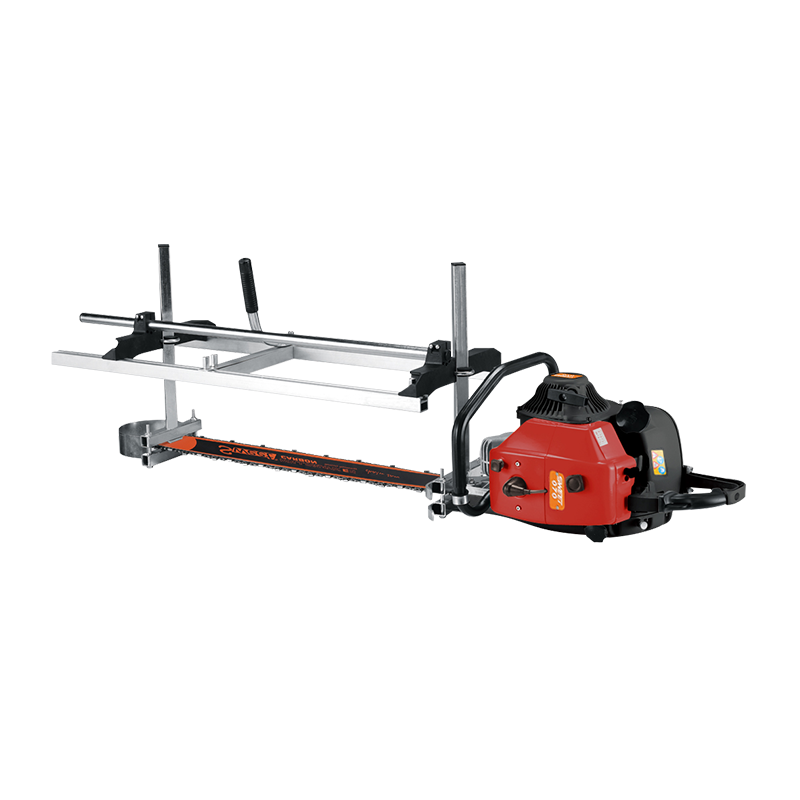
Extended chainsaw use exposes operators to continuous vibration, repetitive pulling force, and structural feedback from the engine and cutting system. These physical stresses have drawn increasing attention from equipment designers and maintenance professionals. Within this evolving environment, Chain Saw Accessories and functional components such as the Gasoline Chainsaw Single Recoil Starter contribute to more than just mechanical operation—they influence handling comfort, vibration transfer, and overall equipment usability. Rather than focusing solely on engine performance, many equipment users now evaluate how accessory design affects operator fatigue, long-term handling, and maintenance efficiency.
Why Does Vibration Exposure Matter During Chainsaw Operation?
Chainsaws generate vibration from several sources, including engine combustion cycles, rotating crankshafts, and cutting resistance between the chain and wood. These vibrations travel through the guide bar, chassis, and handle structure before reaching the operator’s hands and arms. Over time, repeated exposure to vibration may contribute to discomfort, reduced grip stability, and in certain occupational environments, vibration-related health concerns such as hand-arm vibration syndrome.
Reducing vibration transfer has become a design priority not only for complete chainsaws but also for replaceable accessories. Guide bars, starter assemblies, mounting hardware, and chassis components all influence how vibration energy moves through the equipment structure. When accessories are manufactured with appropriate material selection and structural balance, vibration transfer can be moderated rather than amplified.
Even smaller components, such as recoil starter assemblies, affect vibration behavior. An improperly aligned starter pulley or worn engagement mechanism may introduce irregular rotational resistance, which can increase vibration during startup. Maintaining properly fitted components helps ensure smoother mechanical interaction throughout the engine cycle.
How Do Modern Guide Bar Materials Help Absorb Vibrational Energy?
Guide bars serve as one of the primary pathways through which vibration travels. Traditional guide bars were commonly manufactured from solid steel, which provides strength but also transmits vibration efficiently. Recent material developments have introduced composite and magnesium-based structures that influence vibration behavior differently.
Composite guide bars often incorporate layered construction, combining metal outer layers with lighter internal cores. This structure changes how vibration energy moves, dispersing part of the vibration rather than transferring it directly to the handle.
Magnesium alloy chassis and guide bar components have also gained attention due to their material characteristics. Magnesium offers lower density compared to traditional steel while maintaining structural strength. Reduced mass influences vibration frequency and amplitude, helping alter how vibration propagates through the chainsaw body.
These material changes do not eliminate vibration completely, but they influence how vibration is distributed, which affects operator comfort during extended use.
What Role Does Structural Balance Play in Reducing Fatigue?
Balanced mechanical systems operate with fewer irregular forces. Chainsaws rely on coordinated rotation between the crankshaft, flywheel, clutch, and cutting chain. Accessories that maintain dimensional accuracy and proper alignment contribute to smoother rotational movement.
The recoil starter assembly plays a role during the engine starting phase. When the starter pulley engages the flywheel evenly, the engine rotates with consistent resistance. If the starter housing or internal spring mechanism is misaligned, uneven engagement can occur. This inconsistency may introduce additional vibration or resistance during startup.
Properly manufactured starter assemblies help ensure that engagement and disengagement occur smoothly. This contributes to more predictable engine activation and avoids unnecessary strain on the operator’s arm and wrist.
Structural balance also extends to mounting components, guide bar alignment, and chain tensioning systems. When these elements work together correctly, vibration distribution becomes more uniform.
Which Chain Saw Accessories Directly Influence Operator Comfort?
Several accessory components contribute to vibration control and operator handling characteristics. While each component serves a different mechanical purpose, their combined effect shapes the overall user experience.
Key accessories that influence operator fatigue include:
- Guide bars with layered or alloy construction
These guide bars alter vibration transmission characteristics and reduce overall structural mass.
- Starter assemblies with smooth pulley and spring action
Consistent starter engagement prevents sudden resistance changes during engine activation.
Anti-vibration mounting elements
Rubber or polymer isolation mounts reduce direct vibration transfer between engine and handles.
- Balanced clutch and sprocket components
Properly balanced rotating parts reduce oscillation during cutting operation.
- Handle mounting hardware with secure fastening
Stable handle connections prevent excess movement and vibration amplification.
Maintaining these accessories in proper condition supports smoother mechanical operation and more predictable handling.