
 English
 русский
 Español
 عربى
عربى
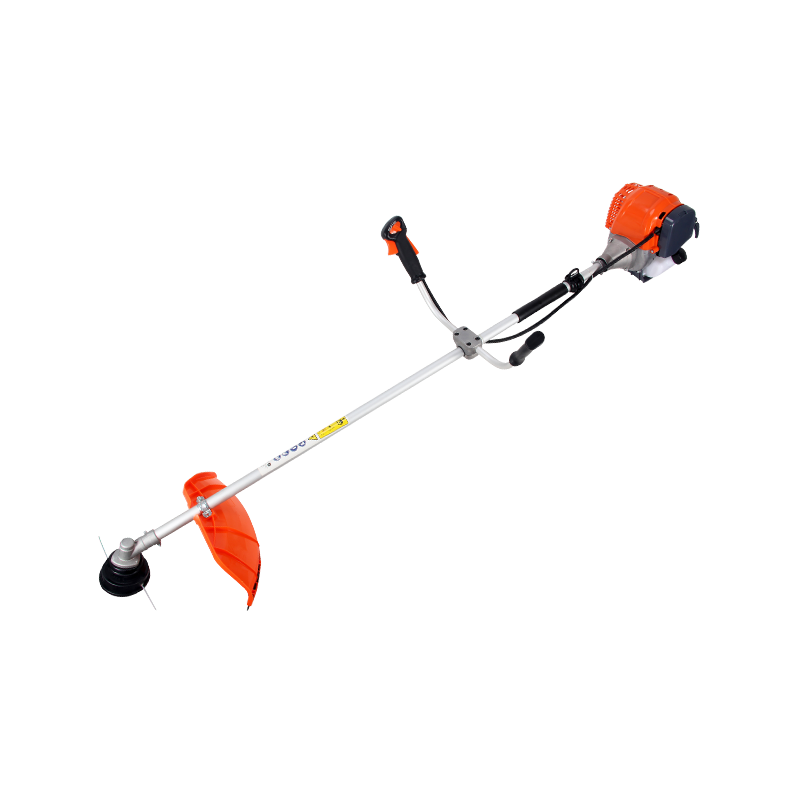
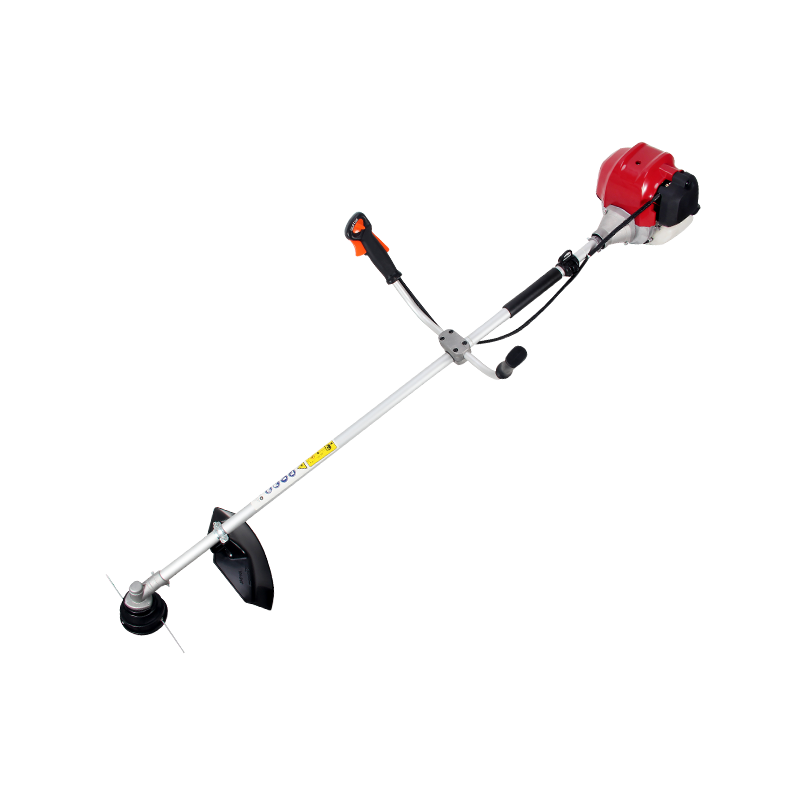
Vegetation management is a year-round endeavor, with each season presenting distinct challenges—from tender spring growth to tough, woody autumn brush. Adapting your equipment to these changing conditions can influence both the efficiency and ease of your work. This often involves selecting appropriate brush cutter accessories and understanding how their use interacts with core components like the brush cutter clutch housing. Making informed choices about attachments and related gear for seasonal tasks can support sustained tool performance and more effective results.
Spring Clearing and Growth Management
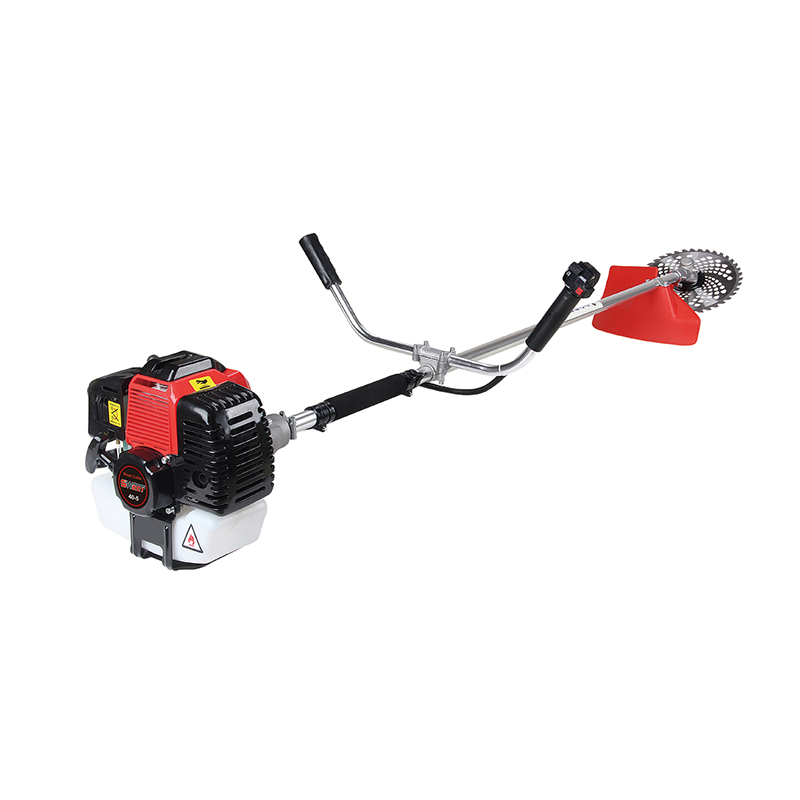
Spring typically involves managing rapid, often soft, new growth alongside leftover winter debris. This season calls for accessories that offer versatility and precision. A nylon line trimmer head is frequently suitable for trimming grass and weeds around delicate areas, fences, and young trees. For thicker stalks or light brush, a multi-tooth grass blade provides a clean cut without excessive weight.
During this period, the focus is on frequent use and maneuverability. It is a practical time to inspect the condition of your harness or support system, as longer days often mean extended operation. Ensuring your harness is adjusted for comfort can help manage fatigue. Additionally, spring is a good time to check the exterior of the clutch housing for any debris accumulation from previous seasons, ensuring its vents are clear for proper cooling as usage increases.
Summer Maintenance and Dense Vegetation
Summer vegetation is often at its peak density and strength. Tasks may involve maintaining trails, clearing overgrown thickets, and managing tough grasses. This season often requires more robust cutting attachments. A sturdy circular saw blade or a blade with large, sharp teeth can be effective for cutting through thick stalks, saplings, and dense brush.
The increased load from cutting tougher material places more demand on the entire drive system. Using a sharp, correctly balanced blade appropriate for the task can promote smoother operation and place less stress on the clutch mechanism within its housing. It is also a season where protective accessories become particularly important: ensuring your debris shield is secure and using leg chaps, gloves, and eye protection is advisable due to the higher volume of flying material.
Autumn Cleanup and Woody Growth
Autumn brings the task of clearing dead or dying vegetation, fallen branches, and preparing land for winter. This often involves cutting woodier, more rigid plant material. Heavy-duty circular blades or chipper blades designed for woody growth are common choices for these conditions. These attachments are built to handle the impact and higher torque required.
This seasonal work highlights the relationship between accessory selection and tool maintenance. Cutting hard material generates more vibration and potential for shock loads. After extensive autumn use, it can be beneficial to inspect the brush cutter clutch housing and mounting points for tightness, as vibration may loosen fasteners. The use of a well-maintained, sharp blade remains important, as a dull blade can cause the clutch to slip more frequently as it struggles to transfer power, generating additional heat within the housing.
Winter Preparation and Tool Care
While active cutting may lessen in winter in many regions, this season is key for preparation and maintenance. It is an opportune time to service your accessories and tool. This includes thoroughly cleaning cutting attachments to prevent rust, sharpening blades, and replacing worn trimmer line.
Winter care extends to the tool's core systems. A comprehensive check involves cleaning grass and sap residue from the tool's exterior, including around the clutch housing area, to prevent corrosion. Storing the brush cutter and its accessories in a dry, protected environment helps preserve their condition. This is also a suitable time to review your collection of attachments, consider any gaps for the upcoming year, and ensure you have the necessary wrenches or tools for changing them.
Selecting brush cutter attachments with the seasonal cycle in mind is a practical approach to land management. It aligns the tool's capability with the specific demands of the vegetation at hand, which can support cleaner cuts and more manageable operation. This cyclical consideration also naturally incorporates a maintenance rhythm, encouraging users to inspect both their accessories and the tool's integral components, like the clutch housing, at relevant intervals. For property owners, farmers, or landscapers, this methodical approach to equipment setup can contribute to a more prepared and effective workflow throughout the changing year.