
 English
 русский
 Español
 عربى
عربى
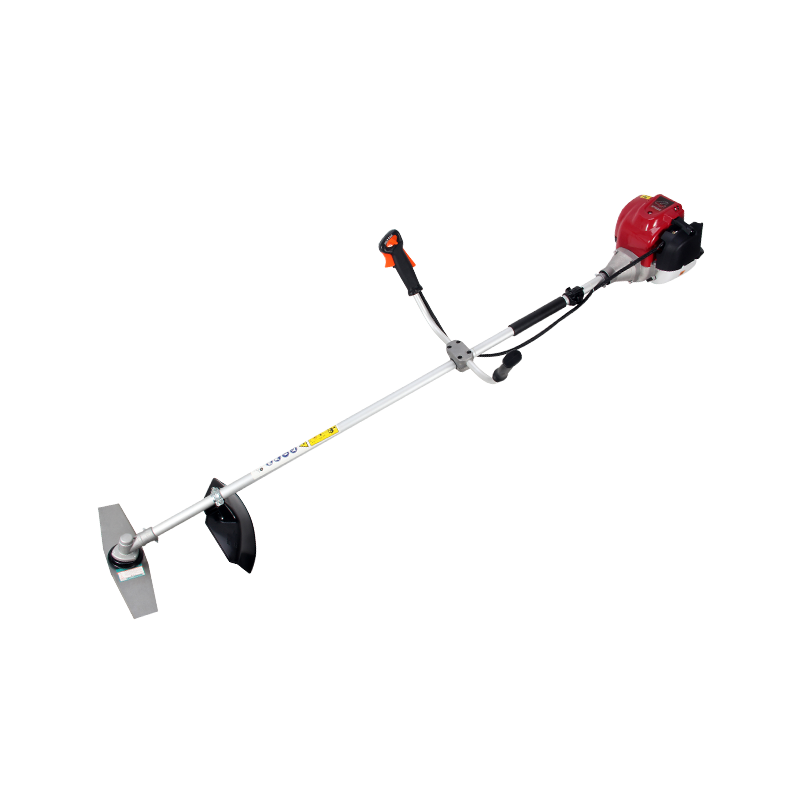
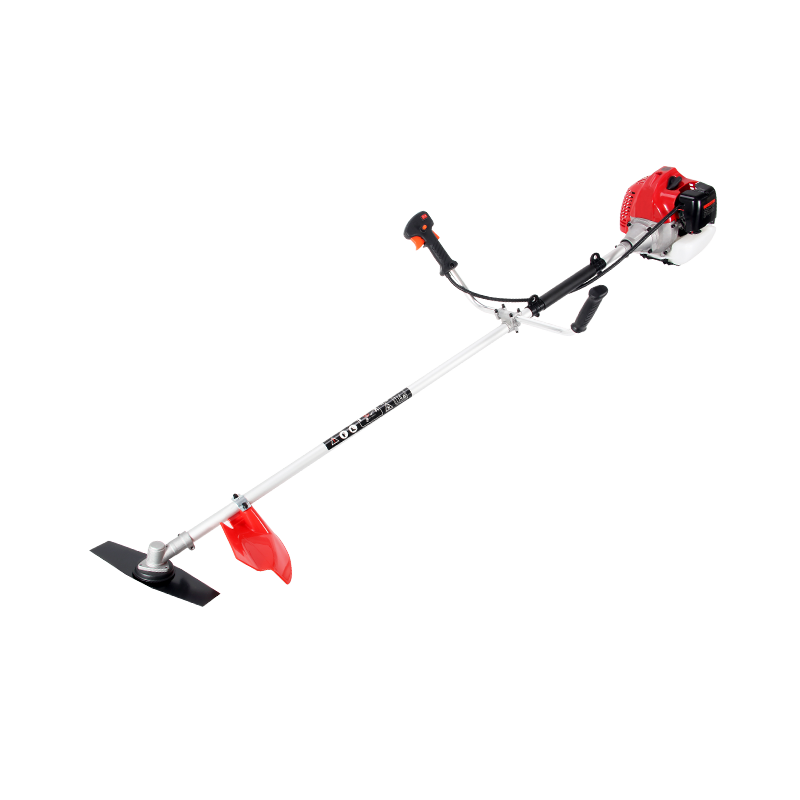
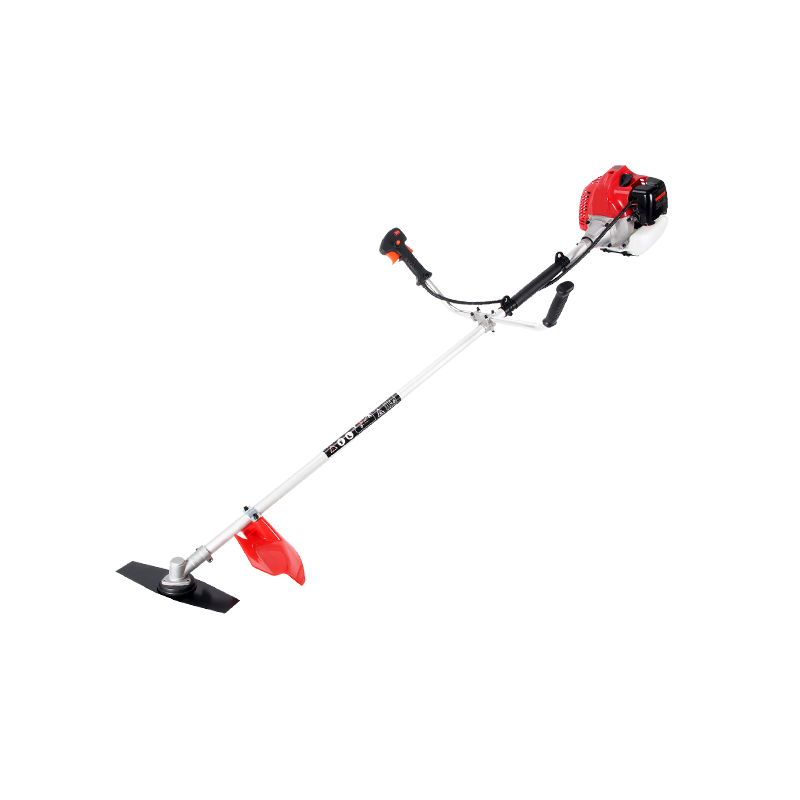
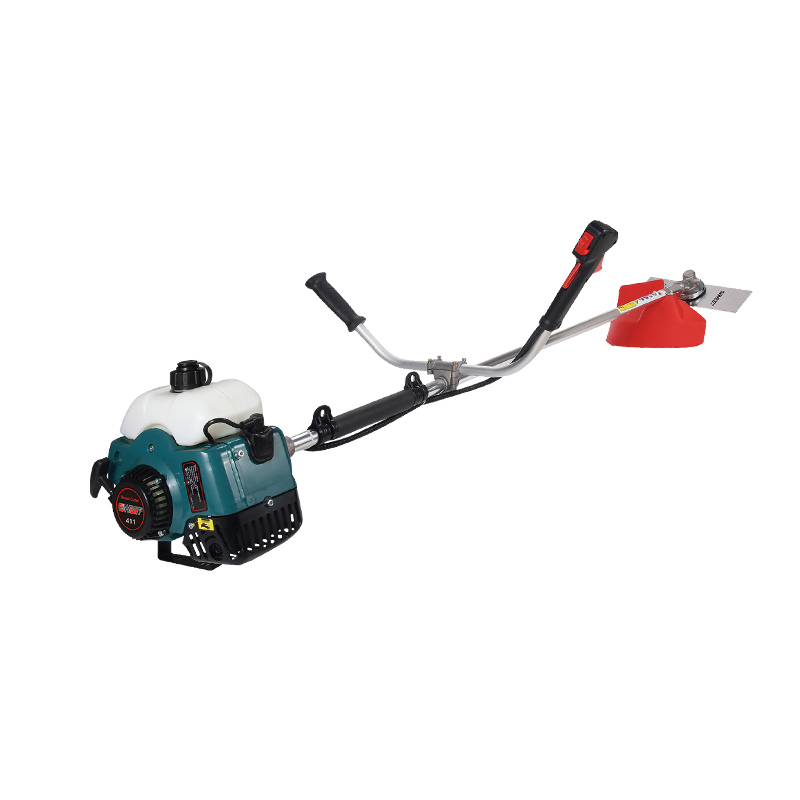
Operating a brush cutter involves managing a powerful tool in often challenging and uneven terrain. While the core engine and cutting mechanism, including components like the brush cutter clutch housing, are fundamental to performance, the overall experience is significantly shaped by the selection of accompanying brush cutter accessories. These additional items are not merely add-ons; they serve practical functions that address operator safety and physical comfort during prolonged use. Understanding how these accessories interact with the tool can help users make choices that support sustained, controlled, and less fatiguing operation.
Protective Gear and Guarding Systems
Safety in brush cutter operation begins with creating a barrier between the operator and potential hazards. While the tool itself includes a basic deflector or debris guard, supplemental protective accessories offer more comprehensive coverage. Specialized guarding kits, often designed for specific cutting attachments like circular blades, provide enhanced shielding from flying wood chips, stones, and vegetation. These guards are engineered to contain debris in a downward direction, away from the user's face and body.
Additionally, personal protective equipment (PPE) such as certified safety goggles, hearing protection, sturdy gloves, leg protection (chaps), and steel-toed boots are essential accessories. They form a critical defense layer against common risks including projectiles, noise-induced hearing loss, cuts from thorny vegetation, and accidental contact with the cutting head. This protective ensemble allows the operator to focus on the task with a greater degree of security.
Ergonomic Harnesses and Support Systems
One of the primary sources of operator fatigue is the weight and vibration of the tool. A well-designed harness system is a key accessory that redistributes the brush cutter's weight from the user's arms and wrists to their stronger core and leg muscles. Adjustable harnesses with padded shoulder straps and waist belts allow for a customized fit, balancing the load across the body.
This redistribution has a direct impact on both safety and comfort. By reducing strain on the upper body, it helps the operator maintain better control over the tool, which is crucial for making precise cuts and avoiding unexpected reactions when the blade encounters dense material. Improved control translates directly to safer operation. Furthermore, reduced muscle fatigue enables longer work sessions with less physical stress.
Vibration Dampening and Handle Configurations
Certain accessories are designed to address this. Some brush cutter models offer interchangeable handles, such as loop handles or bicycle-style handles, which allow for different grip positions that can reduce wrist strain. More directly, anti-vibration (AV) gloves, with padded palms and fingerless designs for dexterity, can absorb some high-frequency vibrations.
While the tool's internal design, including the balance and mounting of the engine and clutch housing, influences baseline vibration levels, these user-end accessories provide an additional layer of management. They help dampen the transmission of vibrations to the operator's hands and arms, contributing to greater comfort and reducing the long-term physical impact of using the tool.
Specialized Cutting Attachments for Controlled Use
The choice of cutting attachment itself is an accessory decision that influences safety and ease of use. Different blades and trimmer heads are suited for specific tasks. Using a heavy-duty circular blade for clearing thick brush is appropriate for that job, while a nylon line trimmer head is more suitable for grass around delicate objects.
Selecting the correct attachment for the vegetation being cut promotes smoother operation. A suitable blade cuts efficiently with less likelihood of kicking back or stalling the engine, which are moments that can compromise control. Keeping cutting attachments sharp and in good condition is also a form of accessory maintenance that supports safer operation, as a dull blade requires more force and can cause uneven cutting.
Maintenance Tools and System Integrity
Safety is also supported by the tool's mechanical reliability. A range of maintenance accessories helps ensure the brush cutter operates predictably. This includes tool kits for easy disassembly, quality lubricants for the drive shaft, and genuine replacement parts like air filters and spark plugs. Regular maintenance using the correct tools helps prevent unexpected failures.
For instance, ensuring the clutch housing is clean and free of debris accumulation, which can be addressed with simple cleaning tools, allows the clutch to engage and disengage smoothly. Predictable clutch operation means the cutting head stops promptly when the throttle is released, a fundamental safety function. Thus, even basic maintenance accessories play a role in sustaining the safe operating parameters of the entire system.