
 English
 русский
 Español
 عربى
عربى
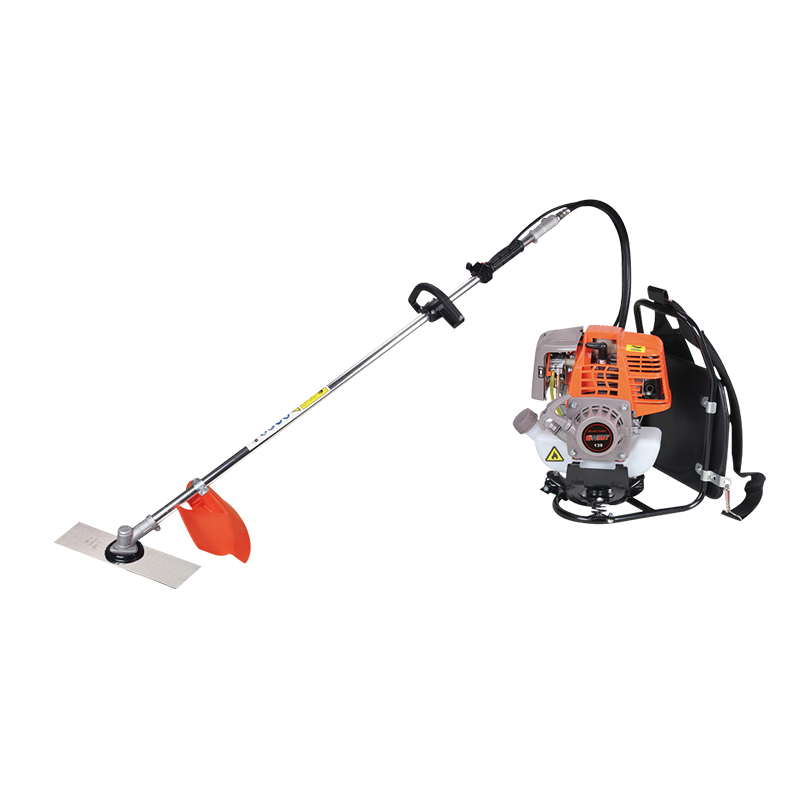
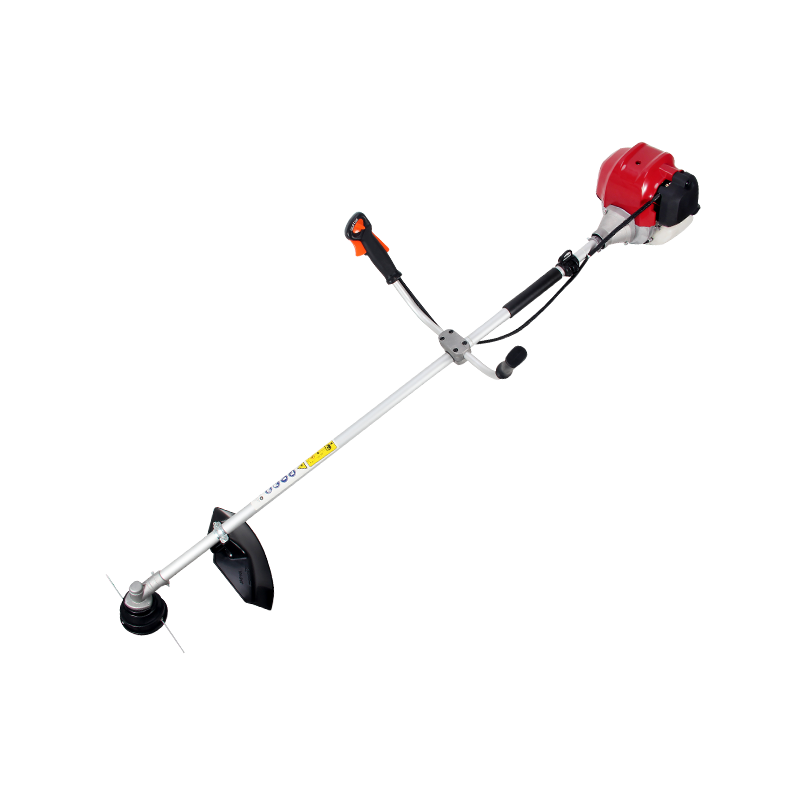
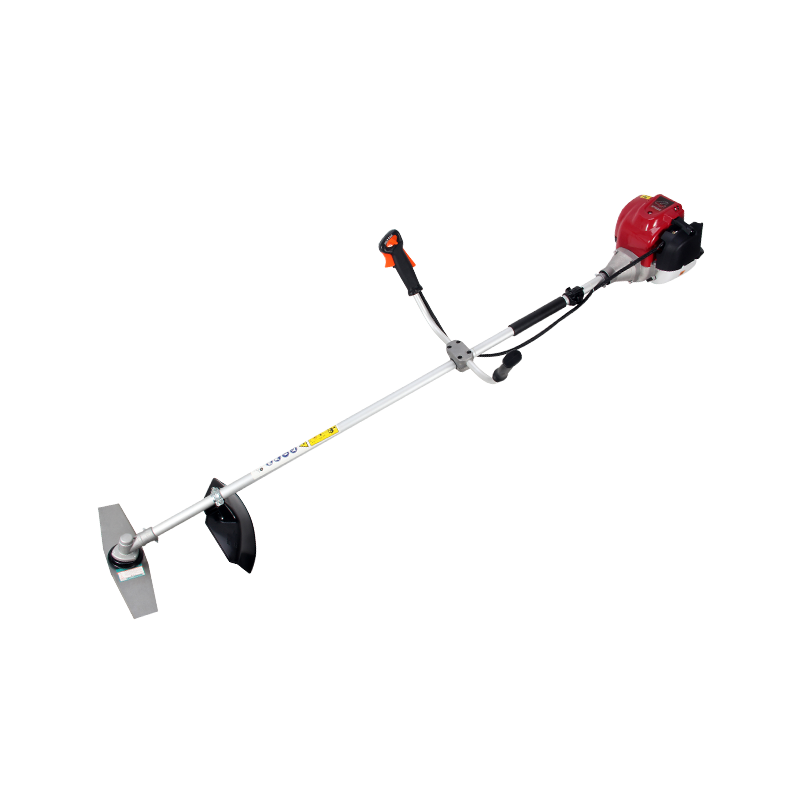
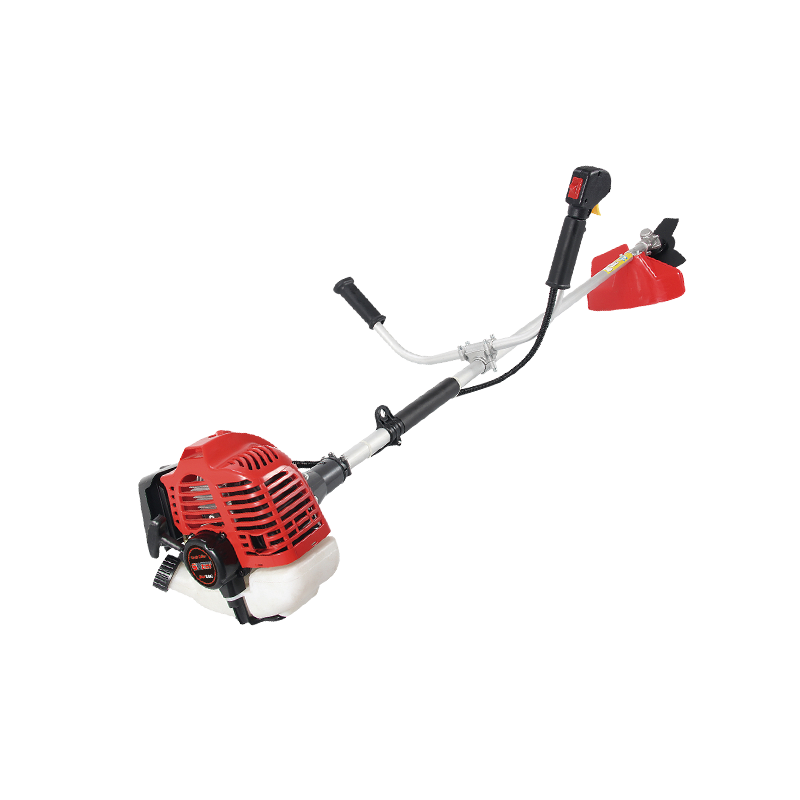
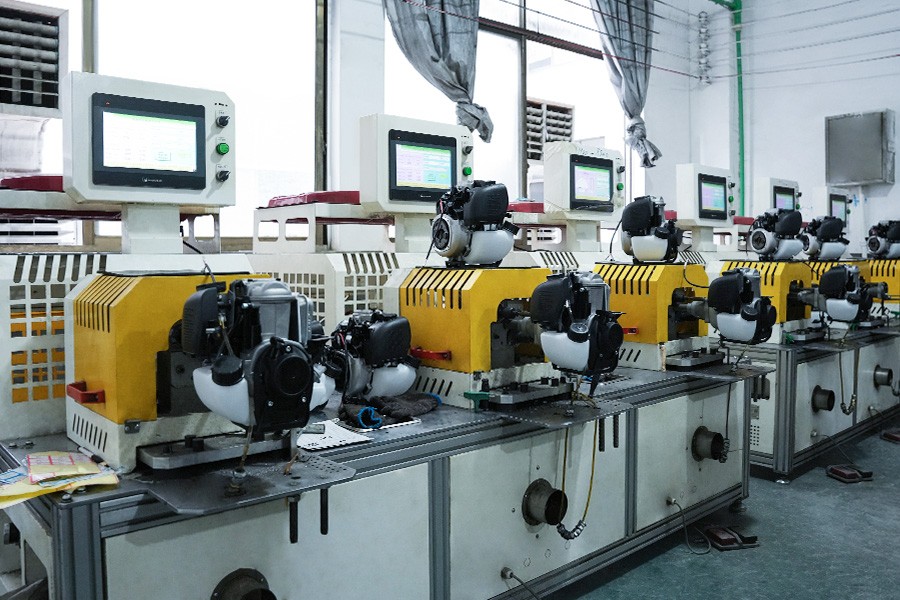
Growing interest in sourcing brush cutter wholesale in China and evaluating brush cutter for sale high quality options often brings project managers to a practical question: how these choices influence overall budgeting. Whether a project involves landscaping, municipal maintenance, or agricultural clearing, understanding the financial impact of procurement choices helps teams plan more realistically and avoid unexpected cost pressure later. The discussion below takes a closer look at how wholesale supply conditions, machine build considerations, and long-term usage patterns shape budget decisions in actual field operations.
Wholesale Pricing Structures and Their Influence on Cost Planning
Procurement teams often turn to wholesale channels because unit pricing can be more structured and predictable. When buying brush cutters through wholesale sources in China, clients usually find that the quotations are influenced by quantities, seasonal production cycles, and the specific configurations chosen. This allows early estimation of spending based on project scale.
Bulk purchasing often reduces the per-unit price, but it also concentrates spending into a single procurement period. For projects with staggered schedules, this can create timing issues: buying too early raises storage-related considerations, while buying too late may affect availability. Understanding these timing dynamics helps teams align procurement with cash-flow planning rather than treating wholesale sourcing as a purely price-driven choice.
Specification choices also influence budgeting. Variations such as engine size, shaft type, cutting head design, and noise-control features all contribute to the final quote. Budget planners benefit from reviewing which features are essential for their terrain and which might add cost without improving work efficiency in their specific environment.
How Build Quality Shapes Maintenance Spending
Many teams choose a brush cutter for sale high quality version because consistent performance supports steady workflow and fewer interruptions. Longer-lasting components can reduce the frequency of repairs, helping projects stay within their maintenance budget. However, higher upfront cost does not automatically mean reduced lifetime spending.
For example, engines with smoother combustion performance typically require routine maintenance checks, but their predictable servicing intervals make planning easier. Cutting assemblies made from durable materials tolerate vegetation density better, yet replacement blades or trimmer lines still remain recurring expenses. Budgeting should therefore account not only for the expected life cycle of the machine but also for consumables, technical service, and the availability of compatible spare parts.
When sourcing from wholesale suppliers in China, teams benefit from asking whether spare parts are included in the supply package or need to be purchased separately. Some suppliers provide bundled parts, which helps simplify cost forecasting.
Transportation, Import Requirements, and Indirect Costs
Project budgeting also changes when bulk imports are involved. Shipping fees, container arrangements, customs charges, and potential inspection procedures all add to the final cost of each brush cutter. These indirect expenditures vary depending on destination country, local regulations, and shipping routes.
For tight budgets, small differences in freight rates can influence the overall financial plan. Teams must evaluate whether full-container shipping or shared-container shipping suits their order size. Each method comes with different delivery times and cost implications. Longer transit times may affect project schedules if the equipment is needed urgently, so incorporating delivery timelines into the budget discussion is equally important.
Insurance for international shipments is another overlooked expense. While the cost is relatively moderate, damage or loss during transit without proper coverage may cause unplanned replacements, affecting the project’s financial stability.
Training and Workforce Considerations
Another budgeting aspect is operator training. Even a brush cutter for sale high quality machine requires proper handling to avoid accidents or unnecessary wear. Training sessions take time and sometimes require additional materials or instructor fees. Although these expenses are not directly tied to procurement, they influence the total cost of implementation.
Wholesale purchases for large teams often mean more operators need to be trained at once. Planning training expenses early prevents them from becoming last-minute additions to the budget. When sourcing from China, some suppliers offer user manuals or instructional guides. While simple materials usually suffice for experienced workers, new teams may require more structured training depending on the equipment’s complexity.
Long-Term Value and Use-Cycle Planning
Assessing how long the machines are expected to serve the project helps teams create a more balanced budget. Wholesale procurement works well for long-term or repeated projects where multiple units will be used frequently. For one-time or short-term operations, a smaller quantity or different procurement method may be more suitable.
Machine durability is influenced by build design, usage habits, and environmental conditions. Budget planners should consider expected vegetation density, operating hours per day, and the worker-to-machine ratio. Aligning realistic use-cycle expectations with procurement plans helps avoid overspending on features that do not benefit the project or under-budgeting for inevitable replacement needs.