
 English
 русский
 Español
 عربى
عربى
Users browsing brush cutter wholesale in China listings or comparing a brush cutter for sale high quality model often focus on cutting performance, yet many overlook another key factor: fatigue during long working hours. Whether maintaining large fields or trimming dense vegetation, operator comfort directly affects productivity and safety. Understanding how different design choices reduce fatigue helps buyers select tools that match their physical needs as well as their working environments.
Ergonomic Handle Design That Supports Natural Movement
The shape, angle, and spacing of the handles determine how comfortably the machine moves during repeated cutting motions. High-quality brush cutters usually incorporate handles designed to match the natural posture of the wrist, arms, and shoulders.
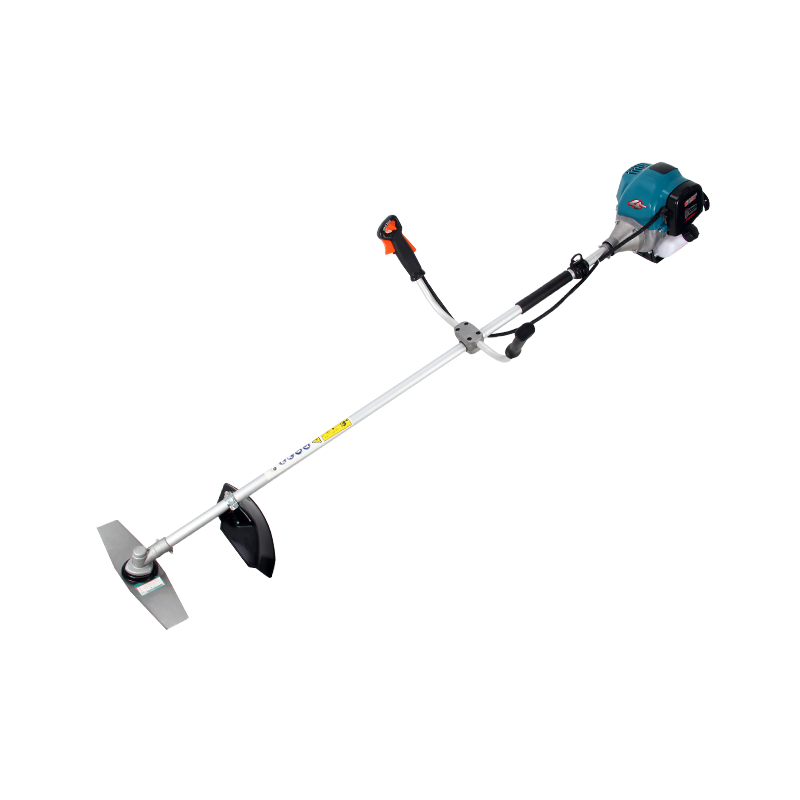
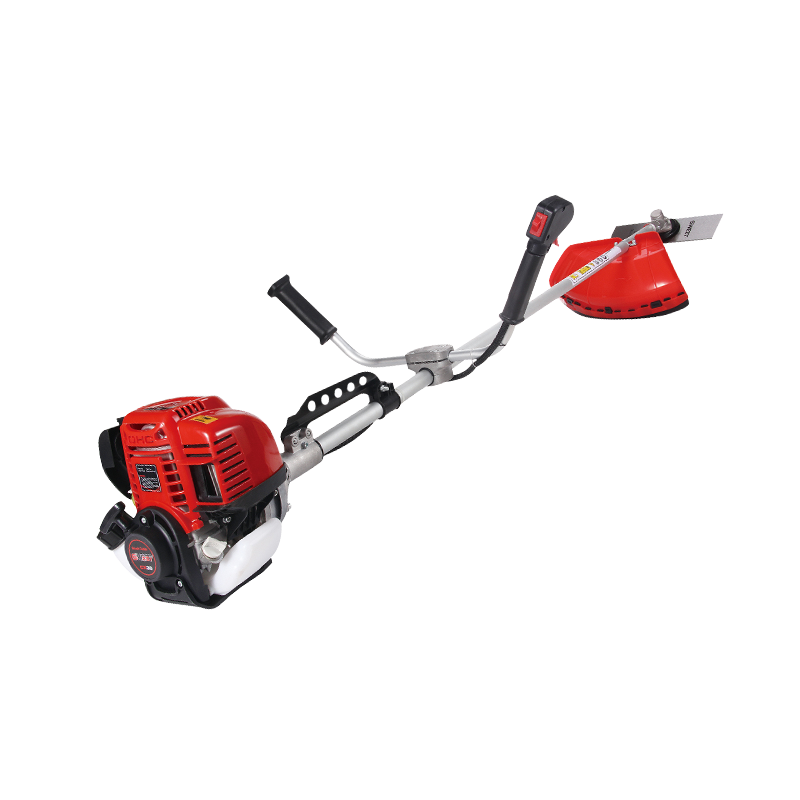
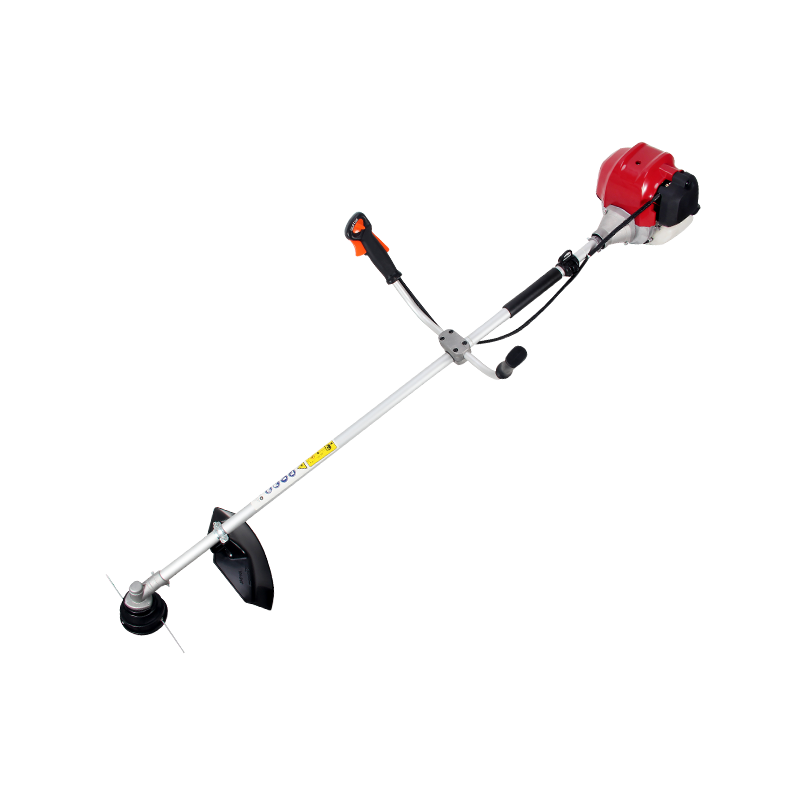
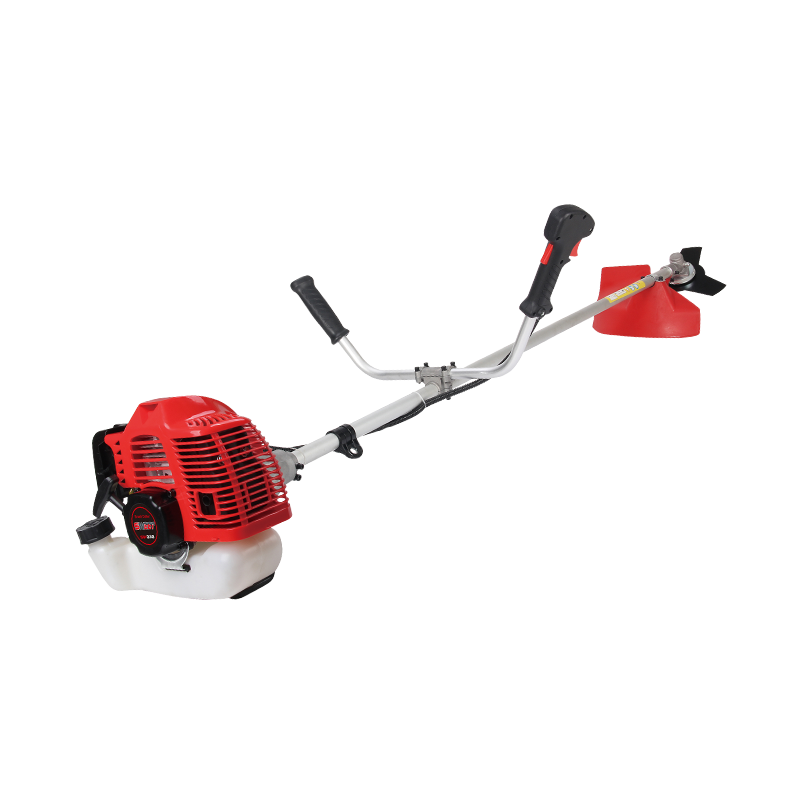
A well-positioned loop handle or bicycle-style dual handle helps distribute the tool’s weight more evenly. When the user does not need to correct the machine’s balance constantly, arm fatigue develops more slowly. This is especially important when sweeping horizontally through thick grass or when making controlled cuts around trees and fences.
Grips covered with rubber or similar materials also absorb part of the vibration transmitted from the engine, which helps reduce strain on the user’s hands during long sessions.
Weight Distribution That Reduces Heavy Load Points
The overall weight of a brush cutter is important, but where that weight is placed matters even more. Machines with engines positioned close to the user’s body, rather than extended far forward, generally feel lighter during use even if their total weight is similar to competing models.
A balanced center of gravity reduces the effort required to hold the machine steady at various angles. When cutting near slopes, ditches, or uneven terrain, a balanced cutter lets the operator maintain control without excessive lifting. It also decreases the likelihood of sudden jerks that may strain the user’s shoulders or back.
Backpack and Harness Systems That Support Extended Use
Many brush cutters designed for extended operation incorporate harness systems to reduce the load on the arms. Backpack-style models distribute weight across the user’s back and hips, allowing arms to focus on guiding the cutting head rather than carrying the entire machine.
Even handheld units often include shoulder straps or double-harness systems. These reduce pressure on the wrists and provide better stability when moving through dense vegetation. A well-adjusted harness also helps maintain body posture, which reduces discomfort caused by repeated bending or twisting movements.
Engine and Vibration Control That Influence Physical Strain
Although vibration may seem like a minor issue, extended vibration exposure can cause users’ hands and arms to tire quickly. High-quality brush cutters often include features such as isolated engine mounts, flexible connection points, and vibration-damping materials on the handles.
These elements reduce the amount of vibration transferred to the user, allowing for smoother control during long cutting sessions. A more stable machine also decreases the need for continuous grip adjustments, helping the user maintain consistent cutting angles without strain.
Smooth Starting Systems That Ease Initial Operation
Long working sessions often begin with repeated attempts to start the engine, especially if the machine has been stored for a while. A smooth-start mechanism reduces the physical effort required to activate the cutter, lowering strain on the shoulders and arms.
This feature becomes particularly valuable for users who start and stop their equipment frequently throughout the day—such as when clearing separate sections of a field or alternating between cutting attachments.
Cutting Attachments That Match the Task
Using the right attachment can significantly reduce physical fatigue. For example, a metal blade is more suitable for dense brush, reducing the force the operator must apply to move through woody stems. Conversely, a trimmer line is better for light grass, as it produces less resistance during operation.
A high-quality brush cutter usually offers quick-switch attachment systems, letting users adapt the machine to different vegetation types without struggling against the wrong tool. Using an attachment appropriate for the material reduces unnecessary resistance, allowing the operator to maintain a steady pace with less effort.
Low-Resistance Shaft and Drive Structure
The internal drive design affects how smoothly the machine transmits power from the engine to the cutting head. A shaft with well-aligned bearings and smooth rotational movement requires less counterbalance from the operator.
When the machine runs without noticeable drag or jitter, the user does not have to compensate with extra grip strength or body movement. This directly reduces arm fatigue and helps maintain control on uneven terrain.