
 English
 русский
 Español
 عربى
عربى
Many buyers comparing outdoor tools through brush cutter wholesale in China channels or searching for a brush cutter for sale high quality model often focus on durability. Longevity matters for users who work across varied environments, from home gardens to heavy brush areas, yet the factors influencing a machine’s service life are not always obvious. Understanding which structural elements, component materials, and design considerations contribute to longer use helps users make clearer purchasing decisions and reduce future maintenance costs.
Engine Design That Supports Consistent Operation
A brush cutter’s engine forms the core of its long-term performance. Models built with solid cylinder construction, stable carburetor systems, and smooth fuel pathways tend to handle extended usage better. Engines that maintain steady combustion produce fewer internal stresses, which helps reduce wear over time.
Cooling efficiency is another important point. When the machine works in thick vegetation or high outdoor temperatures, a cooling system that disperses heat steadily prevents overheating. Heat buildup often causes early component fatigue, so a design that keeps temperature in check supports longer operational life.
Users also benefit from engines that respond smoothly to throttle changes, reducing unnecessary strain on components during transitions between light grass and dense brush.
Durable Shaft and Housing Construction
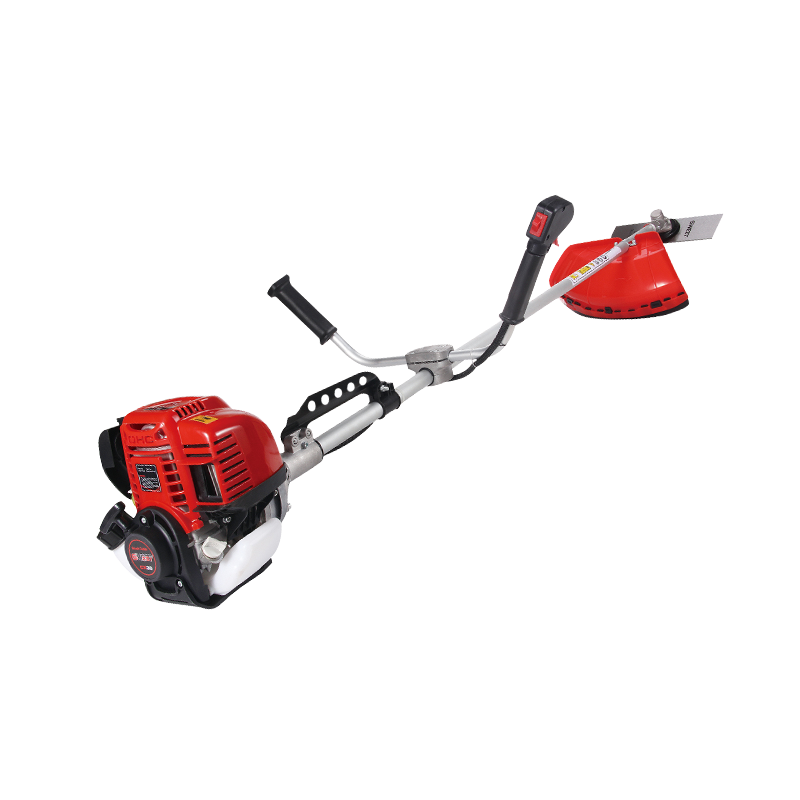
The shaft is exposed to constant vibration, contact with obstacles, and sudden directional changes. Models with a reinforced straight shaft or a well-balanced curved shaft generally handle these stresses with fewer issues. A rigid outer tube protects the drive cable or solid rod inside, keeping it aligned properly during use on uneven ground.
The main housing, including the engine casing and handle frame, also plays a role in durability. Materials that tolerate outdoor exposure—such as dust, damp areas, and occasional impact with stones or branches—help preserve structural integrity. When the housing resists deformation, internal parts stay secured and operate smoothly, supporting longer service life.
Cutting Head and Blade Materials Suitable for Repeated Use
A brush cutter’s service life is strongly affected by the quality of its cutting components. The blade or trimmer head makes direct contact with vegetation, soil, and debris, so material choice directly influences longevity.
Metal blades crafted from wear-resistant steel generally last longer in areas with dense brush or occasional woody stems. Their edge can be sharpened repeatedly without degrading quickly, helping maintain cutting capability through long-term use.
Nylon heads used for lighter trimming tasks also vary in durability. Models that use thicker, flexible line feed systems tend to handle extended use better, especially when trimming near hard surfaces such as garden edges or stone paths.
Vibration Control for Reduced Component Stress
Excessive vibration can accelerate wear on both the machine and the user. High-quality brush cutters commonly include vibration reduction features that help keep internal components stable.
By decreasing the intensity of vibration that travels from the engine to the shaft and handles, the machine experiences less mechanical stress. This can support longer bearing life, slower wear on mounting points, and less loosening of screws and joints. For the user, lower vibration also means greater control, reducing the chance of accidental impacts that could damage the cutter head or shaft.
Fuel System Built for Consistent Flow
Fuel stability affects how smoothly the machine runs across long periods. A well-designed fuel tank, filter, and line system help prevent impurities from reaching the carburetor. Clean fuel flow supports even engine performance, reducing sudden surges that might place strain on the crankshaft or piston components.
Larger-capacity tanks also reduce frequent refueling cycles, which can help prevent dirt or moisture from entering the system during tank openings. Users working on wide areas, such as farmland or forest edges, benefit from this design element because longer intervals between refills support steadier operation.
Protective Shields and Safety Controls That Reduce Damage Risks
Long-lasting equipment also depends on features that limit accidental harm. Protective shields positioned around the cutting area help prevent stones or debris from hitting the blades at damaging angles. They also keep unwanted material from entering the engine housing.
Safety switches allow quick engine shutdown during unexpected situations. Preventing unnecessary engine strain or sudden overloads helps preserve internal parts. These features do not directly extend mechanical lifespan by themselves, but they reduce the likelihood of events that might cause accelerated wear.
Maintenance Accessibility and Ease of Service
Machines that are easier to maintain naturally stay functional longer. Many high-quality brush cutters incorporate designs that allow quick access to air filters, spark plugs, and cutting heads. When these components can be inspected and serviced without difficulty, users are more likely to maintain them regularly.
A clean air filter helps protect the engine from dust. A properly sharpened blade reduces strain on the motor. A well-adjusted carburetor keeps combustion steady. Ease of access also means that parts can be replaced when needed without prolonged downtime, helping users keep the machine in consistent working condition.