
 English
 русский
 Español
 عربى
عربى
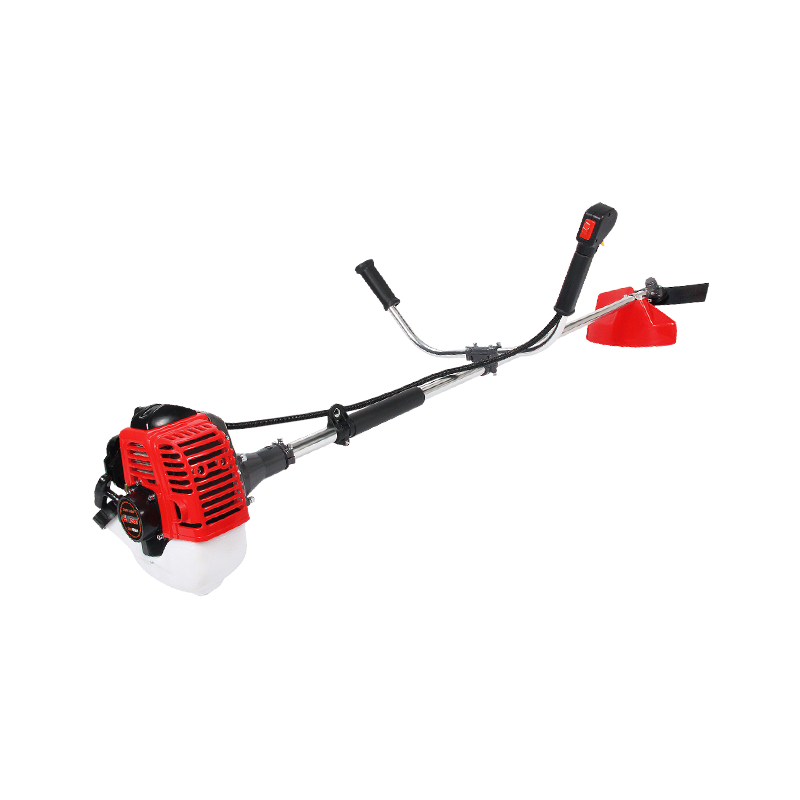
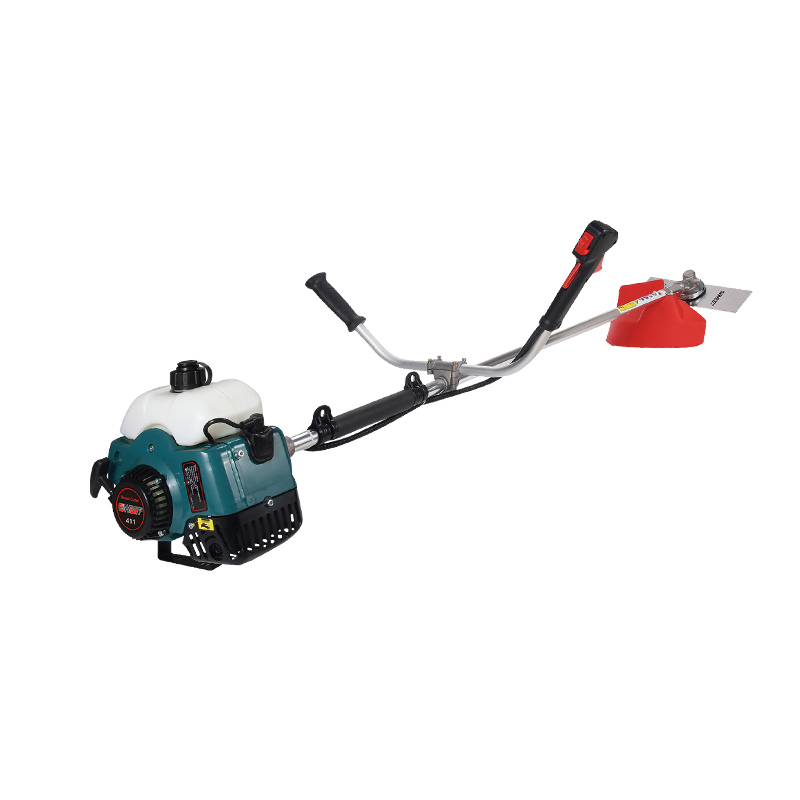
Finding suitable equipment for uneven ground, dense vegetation, or mixed landscaping areas often causes buyers compare brush cutter wholesale in China options with many brush cutter for sale high quality models. Terrain differences can influence cutting results, operational comfort, and long-term usability, so understanding how well-designed brush cutters adapt to these environments helps users make clear and informed decisions. Various structural features, engine characteristics, and attachment choices all contribute to how these tools function in fields, gardens, slopes, and complex outdoor zones.

Engine Capacity and Power Delivery Across Terrain Types
Terrain changes can place inconsistent loads on a machine, especially when shifting between soft grass, thick weeds, and tough brush. High-quality models tend to use engines that maintain steady output even when resistance fluctuates. A cutter with a larger displacement engine, such as those commonly used in heavy brush-clearing tools, keeps performance stable when the cutting head meets denser material.
For open areas with tall grass, a moderate output engine can already provide adequate cutting force. On rough terrain or in overgrown areas containing shrubs or woody stems, a stronger engine helps reduce stalling and supports more continuous trimming. Smooth transitions between these terrain types usually depend on fuel control systems that distribute fuel steadily instead of creating inconsistent surges, allowing the user to maintain predictable motion without repeatedly adjusting throttle.
Design Choices That Support Work on Slopes and Uneven Ground
Working on sloped or uneven surfaces requires more than engine power. The design of the cutter shaft, handle configuration, and weight distribution influence how stable the machine feels during use. Straight-shaft cutters are generally preferred on rough ground because they offer longer reach and better control near obstacles such as rocks, tree roots, or steep edges.
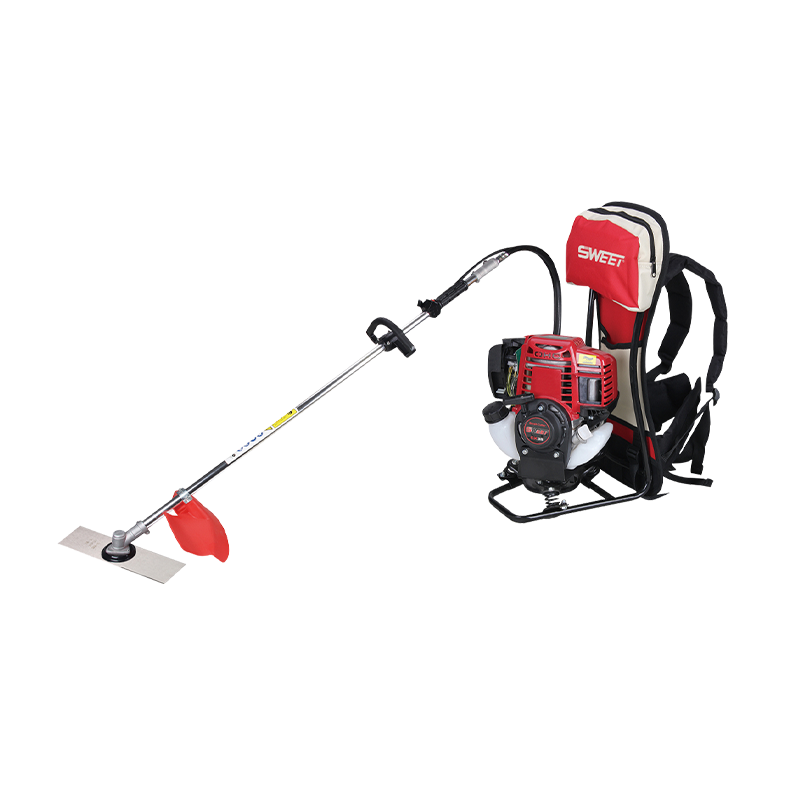
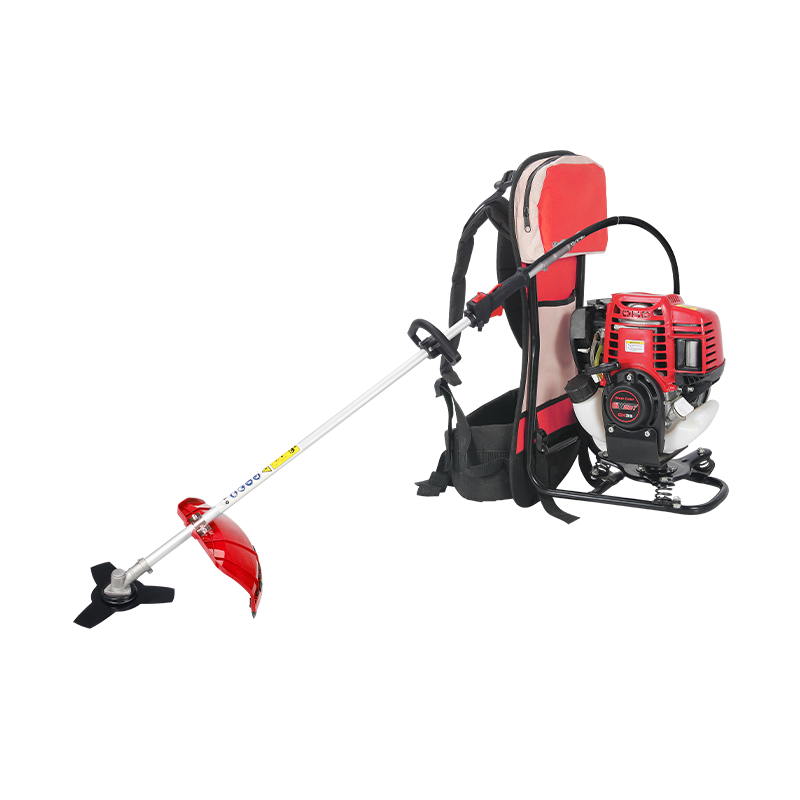
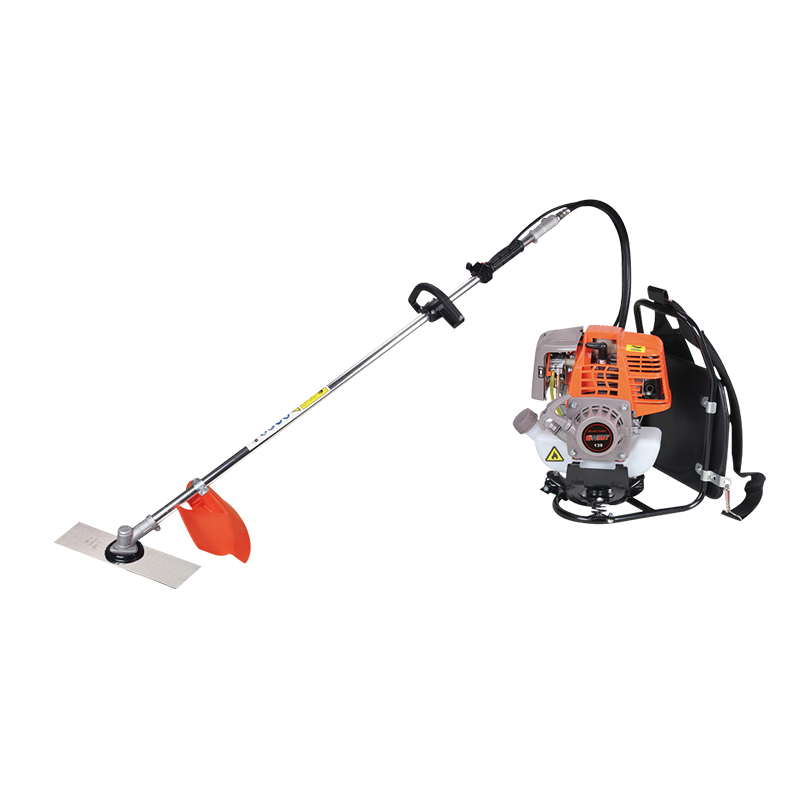
Models equipped with anti-vibration components can ease strain on the arms when users need to maintain balance in slanted areas. Even slight vibration reduction helps improve handling accuracy, which is important when clearing vegetation on terraces, ditches, narrow paths, or hillside sections. Backpack-style units, such as those used for long-duration trimming, shift engine weight onto the user’s back, reducing the load on the arms and enabling steadier movements when climbing or descending slopes.
Adaptable Cutting Attachments for Different Vegetation Types
Terrain variation often corresponds with changes in vegetation density. A key factor that allows high-quality brush cutters to adapt is the availability of interchangeable cutting attachments.
Nylon trimmer heads handle grass, lawn edges, and lighter vegetation commonly found around homes, parks, or flat open fields.
Metal brush blades work better in areas with stubborn weeds, thick stems, and denser undergrowth often scattered across uneven rural land.
Multi-tooth or circular blades help manage woody material in places where small saplings mix with wild grass, such as forest edges or abandoned plots.
Attachment changes do not require excessive effort on many well-designed models, allowing operators to adjust the configuration depending on terrain conditions encountered along a property line or within a landscaping project.
Fuel Capacity and Runtime Considerations for Large or Remote Work Areas
Varied terrains often require extended walk time and longer cutting routes. In these situations, fuel tank size becomes significant. A large-capacity tank supports longer operation before stopping to refuel, benefiting users clearing wide or remote areas where vegetation type shifts repeatedly.
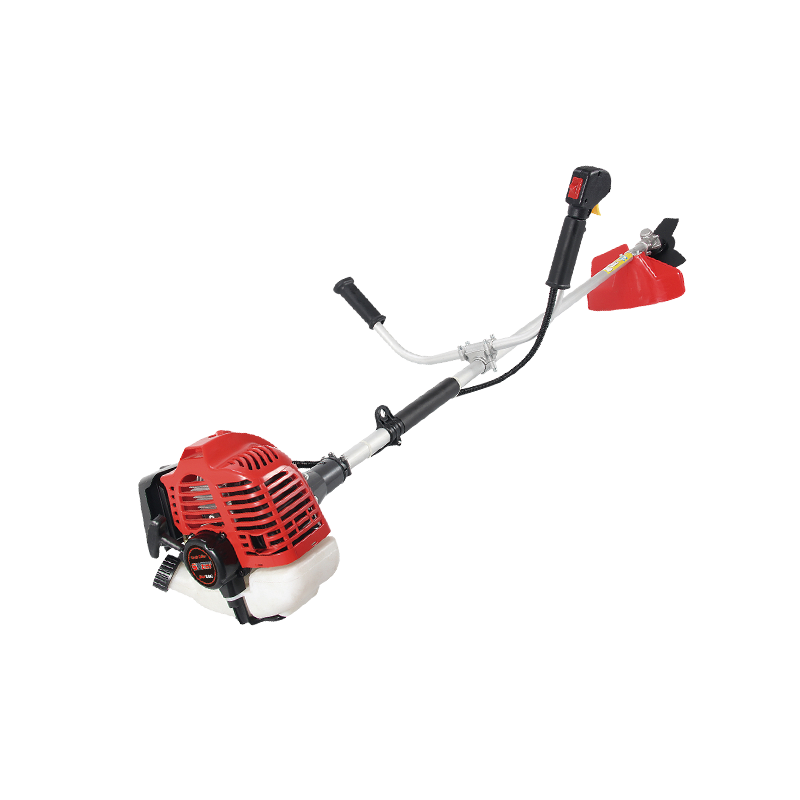
Handheld cutters with mid-range tank sizes work well for residential yards or gardens with mixed patches. For agricultural land, slopes behind buildings, or abandoned lots that require lengthy clearing sessions, higher-capacity models reduce interruptions. Combined with engines that use fuel steadily, these tools provide more predictable operation regardless of terrain distance or accessibility.
Durability When Exposed to Rough Ground and Outdoor Obstacles
Rocks, thick roots, gravel surfaces, and low-lying obstacles frequently appear in uneven landscapes. Brush cutters adapted for varied terrains incorporate protective covers, reinforced shafts, and blades built from materials able to handle occasional impact without deforming easily.
A durable frame construction supports the machine when working in areas with hard soil or debris. For backpack types, the harness frame also plays a role by keeping equipment securely positioned while the user navigates rough sections. High-quality models usually include components that tolerate long working sessions in dirt, dust, or damp areas without frequent mechanical issues, which is important for both homeowners clearing seasonal overgrowth and professionals managing larger sites.