
 English
 русский
 Español
 عربى
عربى
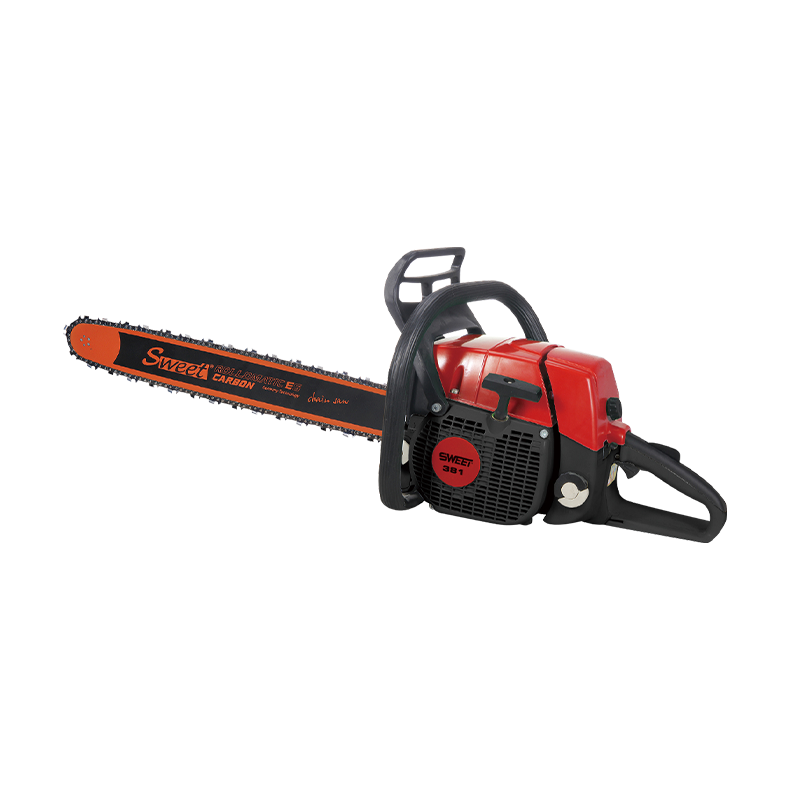
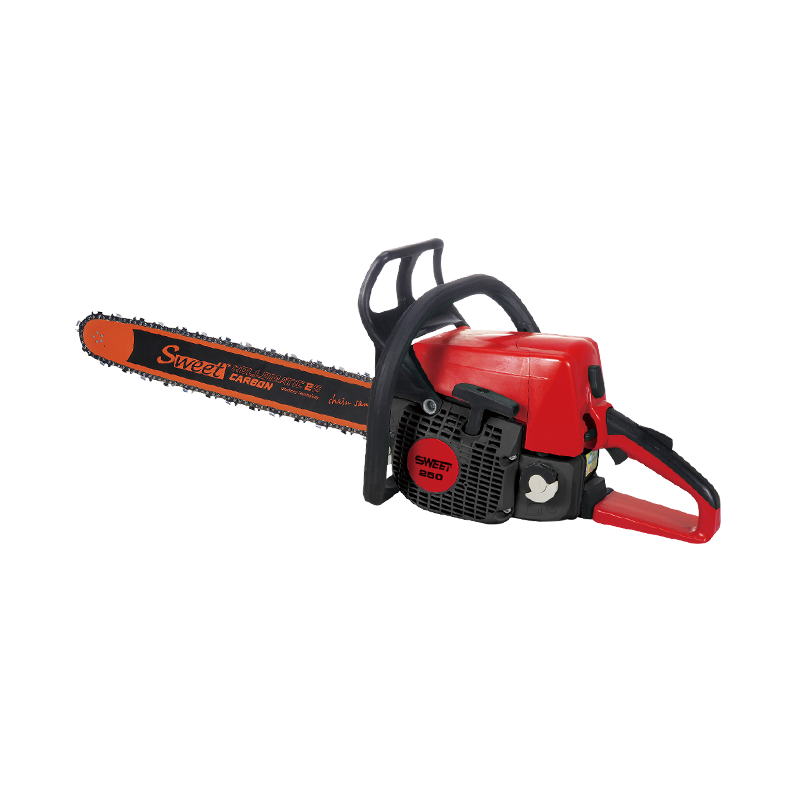
For professionals and homeowners who rely on outdoor cutting tools, maintenance timing plays a key role in ensuring consistent performance and safety. Products developed by a professional gasoline chain saw manufacturer are designed to last through heavy use, but even well-built machines require part replacements over time. The Gasoline Chainsaw Single Starter, known for its simple ignition system and cutting efficiency, operates under constant mechanical stress, which means certain components naturally wear down after prolonged operation. Recognizing when to replace these parts can help users avoid performance drops, prevent mechanical damage, and extend the overall service life of the machine.
Understanding the Importance of Timely Replacement
Every gasoline-powered chain saw operates with multiple moving parts—each exposed to friction, vibration, and heat. Over time, these factors contribute to wear, and continuing to use worn components can affect cutting speed, fuel efficiency, and user safety. For instance, a dull chain requires more effort to cut through wood and can strain the engine, while a worn spark plug may cause inconsistent ignition or higher fuel consumption.
A reputable gasoline chain saw manufacturer typically provides usage guidelines based on engine hours and operational conditions. However, users often work in different environments—ranging from humid forests to dusty construction areas—so personal inspection remains essential. Observing performance changes, such as reduced cutting smoothness, excessive vibration, or delayed start, often signals the need for part replacement.
Spark Plug and Ignition Components
The ignition system is the heart of the Gasoline Chainsaw Single Starter, allowing quick engine activation. Over time, carbon buildup on the spark plug can cause delayed ignition, misfires, or difficulty starting the engine. It’s advisable to inspect the spark plug every 25–30 hours of operation and replace it if the electrode appears worn or blackened.
A gasoline chain saw manufacturer often recommends using plugs that match the engine’s specifications for heat range and size. Replacing the spark plug on schedule ensures smoother starts, stable idling, and efficient fuel combustion—especially important for users who rely on their chainsaw in remote locations where equipment failure could delay work.
Air Filter and Fuel Filter Maintenance
Chainsaws often operate in dusty and debris-filled environments, which can quickly clog air and fuel filters. A clogged air filter restricts airflow, reducing engine efficiency and causing excess fuel consumption. Similarly, a dirty fuel filter can block fuel flow and reduce power output.
For the Gasoline Chainsaw Single Starter, users should clean the air filter regularly and replace it once it becomes damaged or overly clogged. Many filters can be removed without tools, making maintenance simple even during fieldwork. The fuel filter, located inside the fuel tank, should be replaced after about 80–100 operating hours or if fuel flow seems restricted. Regular filter maintenance helps protect the carburetor and maintain steady engine performance.
Recoil Starter and Pull Cord Assembly
The single starter system simplifies engine ignition, but the pull cord, recoil spring, and starter pawls experience tension with every start. Over time, these components can wear, fray, or lose elasticity. If the cord becomes difficult to pull or fails to retract properly, it’s time to inspect the starter assembly.
Replacing the recoil spring or cord before complete failure prevents more complex mechanical issues, such as the starter mechanism jamming or internal damage to the housing. A gasoline chain saw manufacturer typically designs these components for easy access, allowing quick replacement without dismantling the entire machine. For users who depend on the saw daily, replacing these parts at the sign of fatigue ensures continuous productivity.
Chain Brake and Safety Components
Safety systems like the chain brake and hand guard are essential for preventing accidents. These components experience mechanical stress during sudden stops or kickback events. Over time, the brake band can wear thin, reducing its ability to stop the chain quickly. If the chain brake no longer engages firmly or feels loose, it should be replaced immediately.
The hand guard, often made of durable plastic, should also be inspected for cracks or deformation. A damaged guard might not provide sufficient protection from flying debris. For those working in challenging environments, maintaining these safety parts is as important as replacing cutting or engine components.