
 English
 русский
 Español
 عربى
عربى
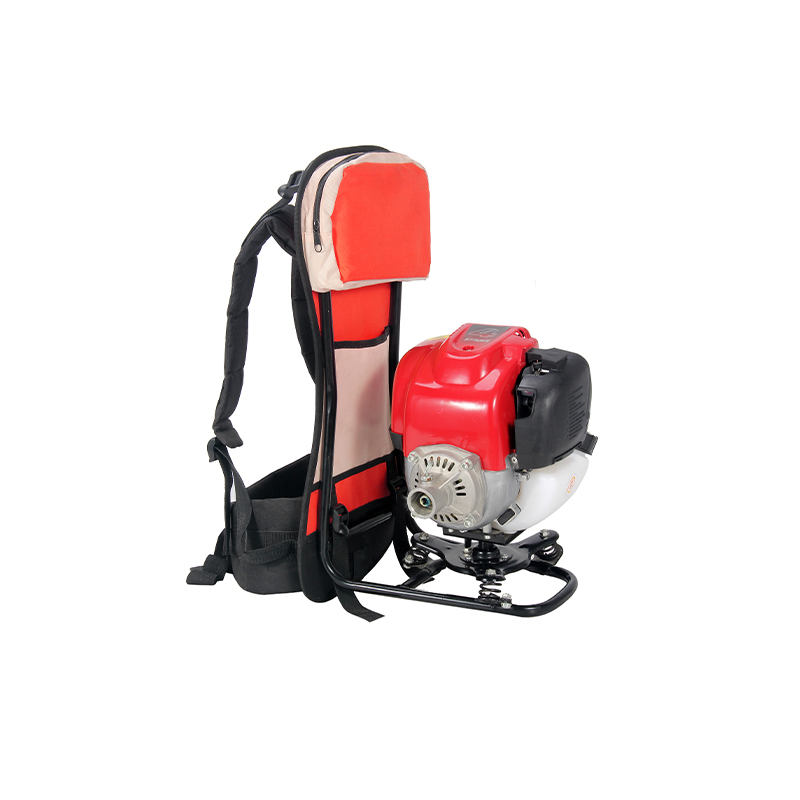
Wear evaluation of mechanical transmission components has become a regular part of outdoor power equipment development, especially when discussing brush cutter clutch housing, gasoline chain saw manufacturer engineering practices. These two product categories share similar load conditions and operating structures, making wear analysis methods an important reference point for understanding long-term component behavior under friction, vibration, and thermal cycling.
Why Wear Analysis Matters in Clutch Systems
A brush cutter clutch housing operates in a high-friction environment where repeated engagement and disengagement cycles gradually influence surface conditions and structural alignment. During extended use, clutch shoes expand outward under centrifugal force, contacting the inner drum surface of the housing. This repeated interaction creates gradual material changes that are not always immediately visible during short-term operation.
In gasoline chain saw manufacturer design systems, similar clutch structures are used to transfer engine power to the cutting chain. Although the cutting applications differ, the underlying mechanical stress patterns remain comparable. Wear analysis becomes necessary because small variations in surface condition can influence how smoothly torque is transferred over time.
Several factors contribute to wear development:
- Continuous friction between clutch shoes and housing drum
- Dust and fine particles entering ventilation gaps
- Temperature variation during repeated load cycles
- Lubrication conditions inside surrounding mechanical zones
- Material hardness differences between contact surfaces
These elements combine gradually rather than acting independently, which makes structured evaluation methods more important than visual inspection alone.
Wear Evaluation Methods Used in Structural Assessment
Modern analysis of brush cutter clutch housing wear focuses on combining physical inspection with measurement-based approaches. Instead of relying on single-point observation, multiple indicators are collected to form a broader understanding of surface and structural changes.
One commonly used approach is surface profiling, where the inner drum surface is scanned to identify uneven contact patterns. These patterns can indicate whether clutch engagement is distributed evenly or concentrated in specific zones. Another method involves hardness comparison testing, which measures how repeated friction affects material surface resistance over time.
Dimensional stability checks are also used, particularly in high-cycle operation environments. Small changes in inner diameter can affect clutch engagement timing, so periodic measurement helps track gradual deviation. In addition, vibration pattern analysis is sometimes applied to detect irregular engagement behavior that may correlate with uneven wear distribution.
Gasoline chain saw manufacturer development teams often integrate similar inspection methods into their maintenance frameworks, especially when components are shared across multiple engine platforms. This allows wear data from different machine types to be compared under similar evaluation standards.
Operational Conditions Influencing Wear Behavior
Wear development is closely linked to working environment conditions rather than isolated mechanical action. In brush cutter applications, terrain type and vegetation density significantly influence how often the clutch engages under load. Dense grass or fibrous plants increase resistance, causing more frequent torque transfer cycles.
Temperature variation also plays a role. Outdoor operation exposes the clutch housing to changing environmental conditions, which can slightly alter material expansion behavior during use. Over time, this may contribute to uneven contact distribution between clutch shoes and housing surfaces.
In gasoline chain saw manufacturer systems, cutting chain resistance varies depending on wood density and moisture content. These fluctuations create similar load variability patterns, meaning wear behavior must be evaluated under dynamic rather than constant conditions.
Other contributing factors include:
- Operator throttle control consistency
- Maintenance intervals and cleaning frequency
- Presence of abrasive particles in working environment
- Duration of continuous operation sessions
Each factor does not directly determine wear alone, but together they shape how the clutch housing surface evolves over time.
Observational Data from Extended Usage Cycles
Field and bench testing of brush cutter clutch housing units under repeated load cycles show gradual changes in surface contact patterns after extended operation periods. In typical evaluations spanning multiple usage cycles, inspection results often reveal localized polishing marks on inner drum surfaces, which correspond to repeated clutch shoe contact points.
In some cases, measurement records indicate slight variation in internal diameter consistency after prolonged use, particularly in machines operating under irregular load conditions. These variations remain within expected mechanical tolerance ranges but are useful for understanding how wear develops over time.
Gasoline chain saw manufacturer testing environments report similar findings, especially in equipment used for forestry or construction trimming tasks. Comparative observations show that wear patterns tend to align with usage intensity rather than machine type alone.