
 English
 русский
 Español
 عربى
عربى
Attention to thermal stability in outdoor power equipment has become more noticeable as working conditions grow more demanding. Within this context, brush cutter clutch housing, gasoline chain saw manufacturer development practices are increasingly focused on structural heat control and long-cycle operation consistency. The clutch housing, positioned between engine output and cutting mechanism, often experiences continuous friction and heat accumulation during prolonged use, which directly affects transmission stability and service intervals.
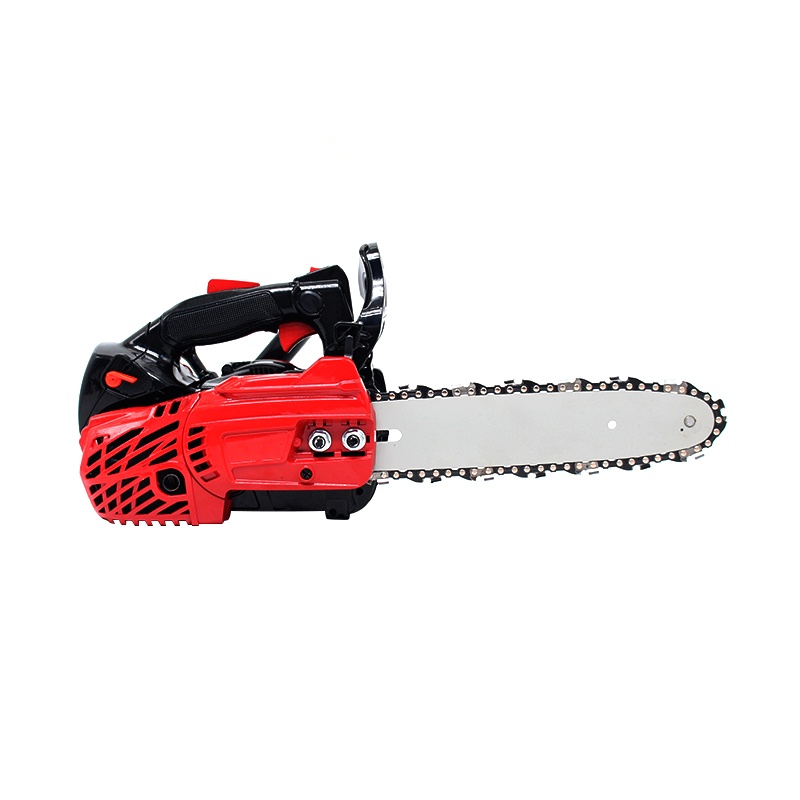
Heat Load in Continuous Cutting Operations
Outdoor cutting equipment typically operates under variable load conditions, including dense vegetation, uneven terrain, and extended runtime without cooling pauses. In a brush cutter clutch housing system, heat is generated through friction between clutch shoes, drum surfaces, and surrounding metal components. When temperature accumulation is not effectively managed, it can influence engagement behavior and cause irregular transmission response.
Gasoline chain saw manufacturer design approaches often share similar engine architecture principles with brush cutters, especially in compact two-stroke systems. This shared engineering background means that heat management considerations are not isolated to a single machine type but are relevant across multiple handheld cutting tools. As usage environments become more intensive, attention has shifted toward structural adjustments rather than only surface-level material changes.
Structural Adjustments in Heat Resistance Design
Recent improvements in clutch housing design focus on controlling heat pathways and improving airflow around rotating components. Instead of relying on a single material change, multiple structural elements are adjusted together to distribute thermal load more evenly.
- Ventilation channel redesign to improve internal air circulation during rotation
- Adjusted housing wall thickness to balance rigidity and heat dispersion
- Surface treatment techniques applied to reduce friction buildup on contact areas
- Reinforced alloy selection for areas exposed to repeated thermal cycling
Optimized spacing between clutch assembly and housing wall to reduce direct heat transfer
These changes do not alter the basic operating principle of the brush cutter clutch housing but aim to stabilize performance under continuous operation. In many gasoline chain saw manufacturer production lines, similar modifications are being introduced to align with shared component strategies and simplify maintenance requirements across product categories.
Field Application Across Work Environments
The improved clutch housing structure is typically applied in environments where equipment is expected to operate for extended periods without interruption. In forestry trimming, for example, machines may run through dense branches and fibrous material that increases mechanical resistance. In agricultural clearing, mixed vegetation creates fluctuating load conditions that place irregular stress on the clutch system.
Roadside maintenance crews also rely on handheld cutters for edging and brush removal, often working in sequences that involve repeated starts and stops. In these cases, thermal buildup can occur more quickly compared to steady-state operation. The adjusted housing structure helps maintain more consistent mechanical engagement across these varied working patterns.
For users operating gasoline chain saw manufacturer-derived equipment platforms, compatibility in component behavior across different tool types allows maintenance routines to be simplified, especially when parts share similar thermal response characteristics.
Observed Performance Trends in Testing Conditions
In controlled operational testing, clutch housing units with revised structural design showed more stable surface temperature distribution during extended runtime cycles. Measurements were taken under repeated cutting loads over a continuous 60–90 minute operation window.
Typical observations included:
- More even temperature spread across housing exterior surfaces
- Reduced localized heat concentration near clutch contact points
- Smoother engagement behavior after repeated start-stop cycles
- Lower variation in clutch response timing under fluctuating load
These results were recorded under consistent environmental conditions without external cooling assistance. While variations still exist depending on fuel mixture, engine calibration, and cutting material density, the structural adjustments contributed to more predictable thermal behavior during operation.
Engineering Direction and Component Standardization
The development of brush cutter clutch housing structures is increasingly influenced by the need for shared engineering platforms. As gasoline chain saw manufacturer systems often overlap in engine size classes and torque output ranges, component standardization has become a practical consideration in production planning.
Rather than designing isolated parts for each tool category, manufacturers are moving toward modular clutch assemblies that can be adapted across different machines with minor adjustments. This approach supports easier part replacement and more consistent maintenance practices across equipment families.
At the same time, attention is being placed on reducing thermal stress accumulation over repeated use cycles. Instead of focusing only on short-term operation, design strategies now consider how materials and structures behave after extended seasonal use, especially in outdoor environments with fluctuating temperatures and dust exposure.
Frequently Asked Questions
- What causes heat buildup in a brush cutter clutch housing?
Heat buildup mainly comes from friction between clutch components during engagement and disengagement, especially under heavy or continuous cutting load.
- Does housing design affect cutting performance?
Yes, the housing influences how heat and vibration are managed around the clutch system, which can affect engagement consistency during operation.
- Are brush cutter and chain saw clutch systems similar?
Many gasoline chain saw manufacturer designs share similar clutch principles with brush cutters, particularly in compact engine configurations.
- How does ventilation impact clutch housing temperature?
Improved airflow allows heat to dissipate more evenly, reducing localized temperature concentration inside the housing structure.
- Can clutch housing materials change operating behavior?
Material selection affects heat transfer and wear resistance, which can influence how the clutch responds during repeated use.