
 English
 русский
 Español
 عربى
عربى
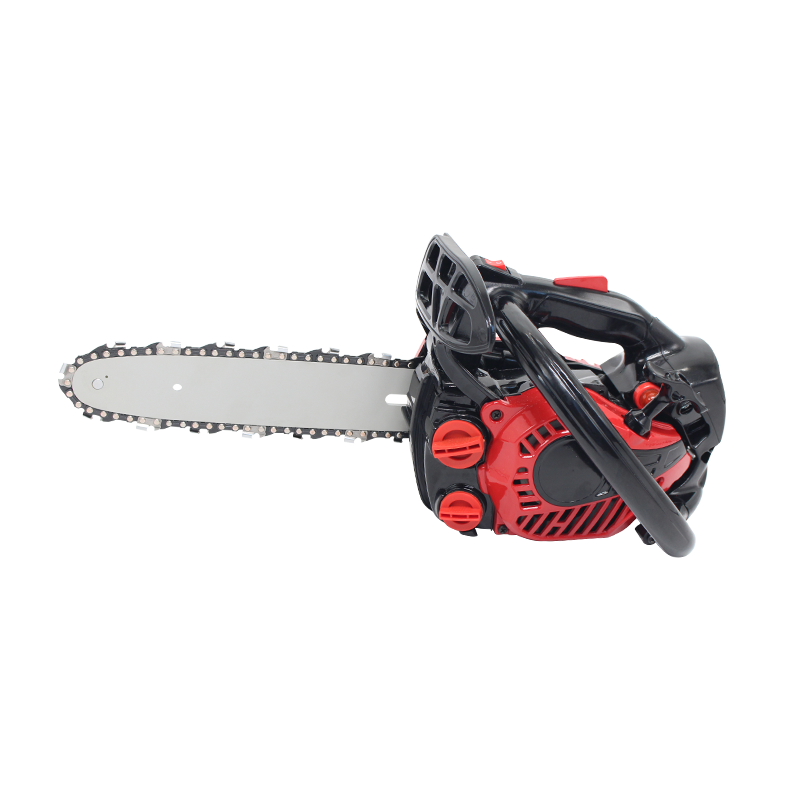
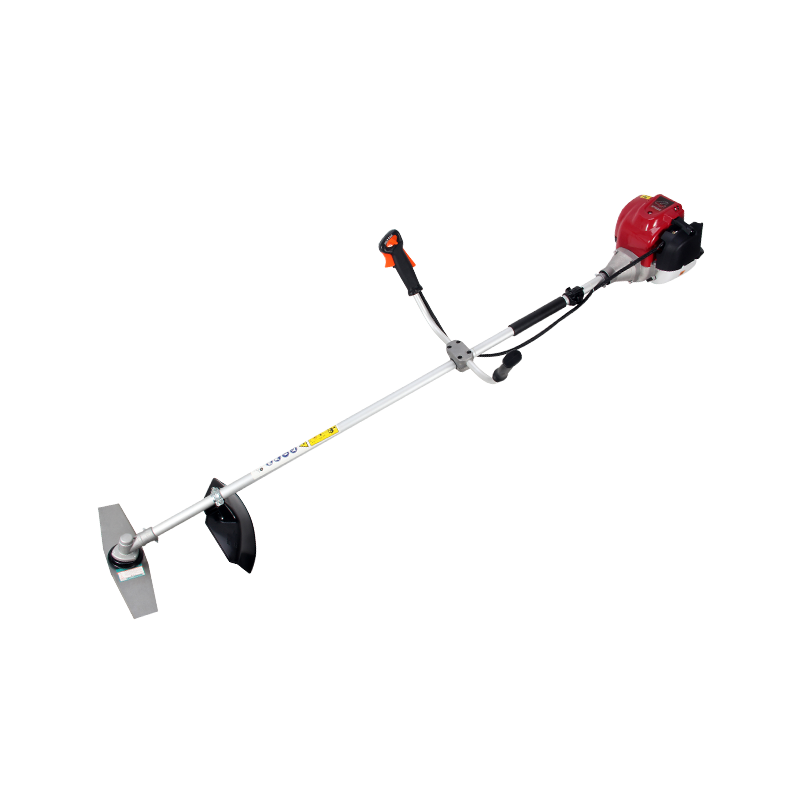
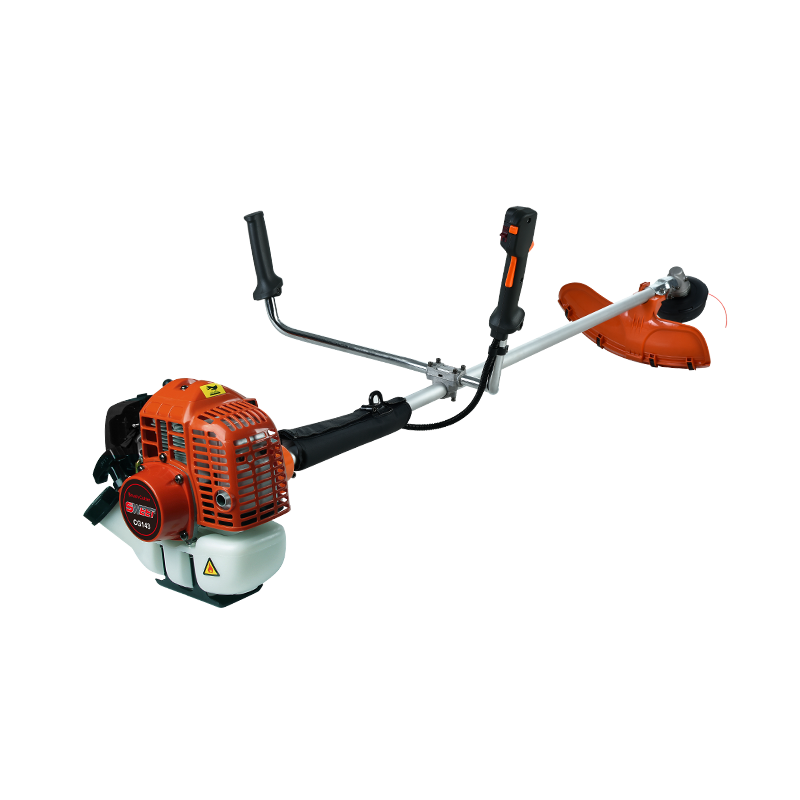
Brush cutter clutch housing, gasoline chain saw manufacturer development has increasingly been connected to fuel usage patterns, especially as outdoor power equipment design begins to focus more on stable mechanical transfer and controlled engine load behavior. In current design discussions, fuel optimization trends are no longer limited to engine tuning alone, but also relate to how components like brush cutter clutch housing influence rotational efficiency and load distribution in cutting systems.
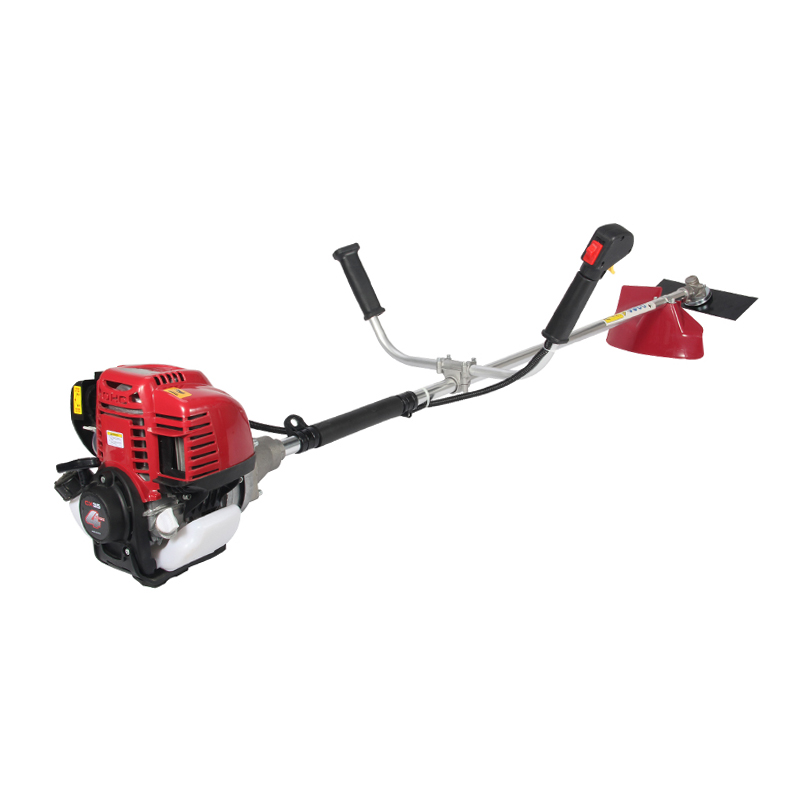
Fuel Consumption and Load Stability Challenges
In small engine equipment such as brush cutters and chain saws, fuel consumption is closely tied to how effectively engine power is transmitted to the cutting end. When load resistance fluctuates during operation, the engine responds by adjusting fuel delivery, which can result in inconsistent consumption patterns.
A gasoline chain saw manufacturer typically evaluates fuel behavior under different cutting conditions, including hardwood cutting, branch trimming, and continuous full-load operation. In these scenarios, unstable torque transfer from clutch assemblies can indirectly affect engine load balance.
The brush cutter clutch housing plays a supporting role in this system. While it is not directly responsible for fuel delivery, its structural stability influences vibration levels and rotational smoothness. When vibration increases or alignment shifts slightly, the engine may operate under uneven load, which can affect fuel usage patterns over time.
Common influencing factors include:
- Irregular clutch engagement during load changes
- Shaft misalignment causing rotational resistance variation
- Increased vibration transfer to engine mounts
- Inconsistent throttle response under partial load conditions
These factors do not cause immediate fuel variation but gradually influence operating efficiency during extended use cycles.
Shifts in Fuel Optimization Approaches
Fuel optimization in gasoline-powered outdoor tools has moved toward a more system-level perspective. Instead of focusing only on carburetor adjustments or electronic fuel mapping, manufacturers now consider mechanical stability, load consistency, and component interaction.
For a gasoline chain saw manufacturer, this means evaluating how different structural elements interact under real working conditions. The brush cutter clutch housing is part of this evaluation because it affects how smoothly power is transferred from the engine to the cutting system.
Recent design and engineering adjustments include:
- Refining clutch engagement timing for smoother load transition
- Adjusting housing geometry to reduce rotational imbalance
- Improving bearing alignment tolerance during assembly
- Using controlled damping zones to reduce vibration feedback to engine body
- Standardizing clutch drum surface finishing for consistent friction behavior
These changes do not directly reduce fuel usage in isolation, but they help stabilize engine load behavior, which can cause more consistent fuel consumption patterns across varying workloads.
Operational Context and Field Usage Patterns
Fuel optimization trends become more visible when equipment is used in different working environments. Brush cutters and chain saws rarely operate under constant load, which makes transient engine behavior an important factor.
In field applications, users often operate equipment in conditions such as:
- Dense vegetation clearing with frequent load spikes
- Intermittent cutting during landscaping adjustments
- Continuous forestry trimming over extended periods
- Mixed-material cutting involving both soft and hard surfaces
In these environments, the clutch system and housing structure must maintain stable power transfer despite changing resistance. A gasoline chain saw manufacturer typically tests fuel behavior under these varying load cycles to understand how mechanical stability affects consumption consistency.
The brush cutter clutch housing contributes indirectly by maintaining alignment and reducing unnecessary mechanical resistance fluctuations. Even small improvements in rotational balance can help reduce short-term load spikes that affect fuel flow adjustment cycles.
Observed Design Adjustments and Technical Data
Recent design evaluations in small engine systems show a gradual shift toward more integrated fuel and mechanical behavior analysis. Instead of separating engine performance and structural design, manufacturers increasingly study them together.
|
Component Area |
Design Adjustment Focus |
Observed Influence on Operation |
|
Clutch System |
Smoother engagement response |
Reduced abrupt load changes |
|
Clutch Housing |
Reinforced alignment structure |
More stable rotational path |
|
Bearing Support |
Tighter tolerance control |
Reduced friction variation |
|
Engine Mount Interface |
Improved vibration isolation |
More stable engine load feedback |
|
Fuel System Response |
Adjusted throttle sensitivity mapping |
More consistent fuel delivery under load |
These adjustments reflect a broader trend where fuel behavior is influenced by mechanical stability rather than engine configuration alone.
Some gasoline chain saw manufacturer testing programs also compare fuel usage across tools with different clutch housing designs, showing that structural consistency can influence how frequently the engine adjusts fuel intake during fluctuating workloads.
Practical Design Considerations in Manufacturing
From a production perspective, fuel optimization trends require coordination between engine design, transmission structure, and assembly precision. The brush cutter clutch housing becomes a key mechanical interface that must maintain consistent alignment across production batches.
Important manufacturing considerations include:
Maintaining dimensional accuracy of housing mounting points
Ensuring uniform clutch drum balancing during assembly
Controlling surface roughness of friction contact zones
Standardizing material hardness across housing batches
Monitoring alignment consistency after thermal treatment processes
For a gasoline chain saw manufacturer, these factors help reduce variation between units, which contributes to more predictable operational behavior. While fuel consumption is influenced by many variables, reducing mechanical inconsistency is one way to stabilize system performance.