
 English
 русский
 Español
 عربى
عربى
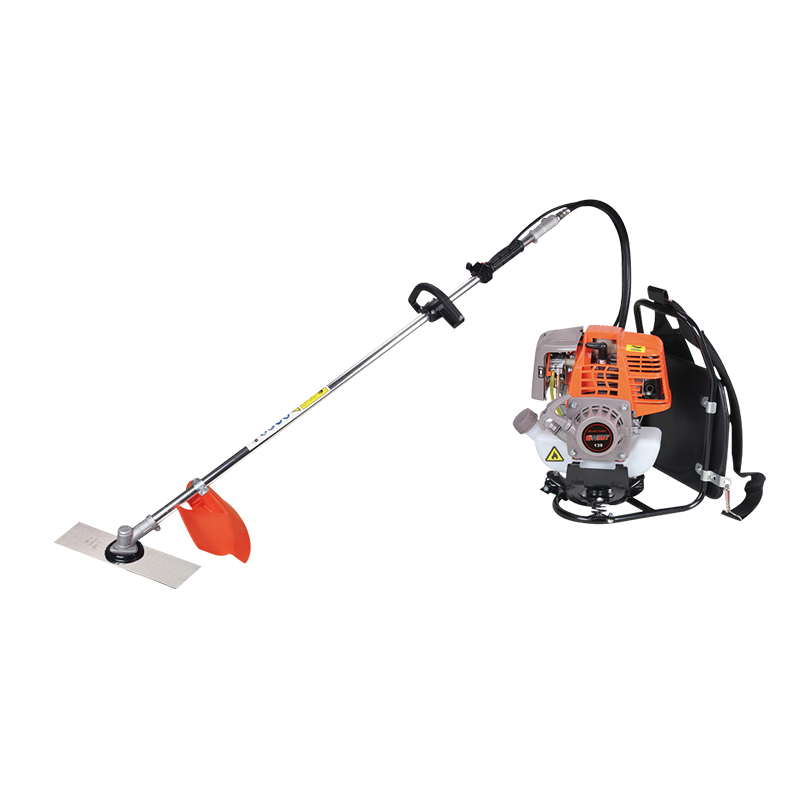
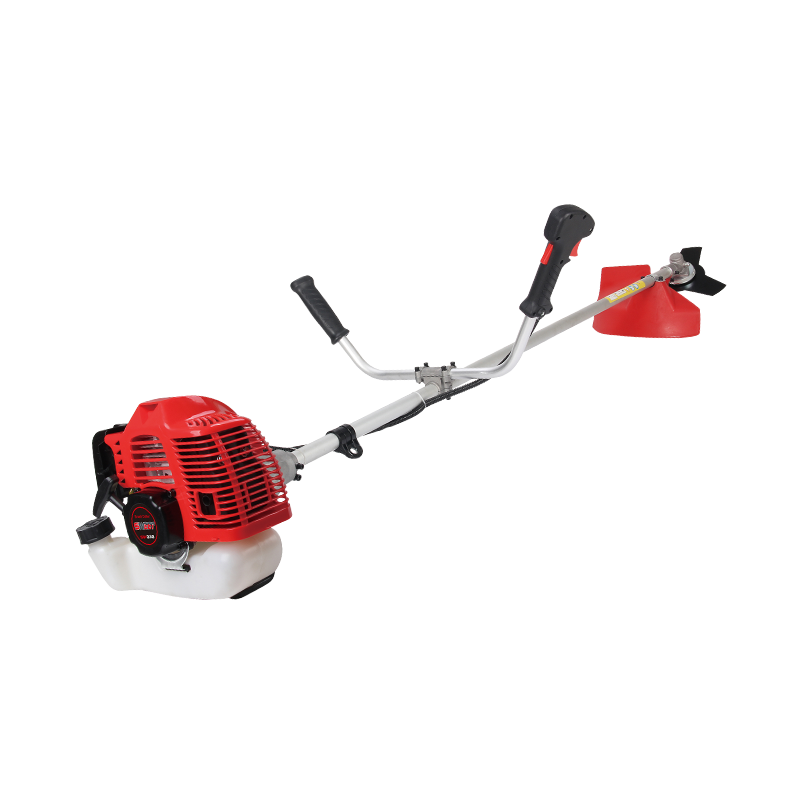
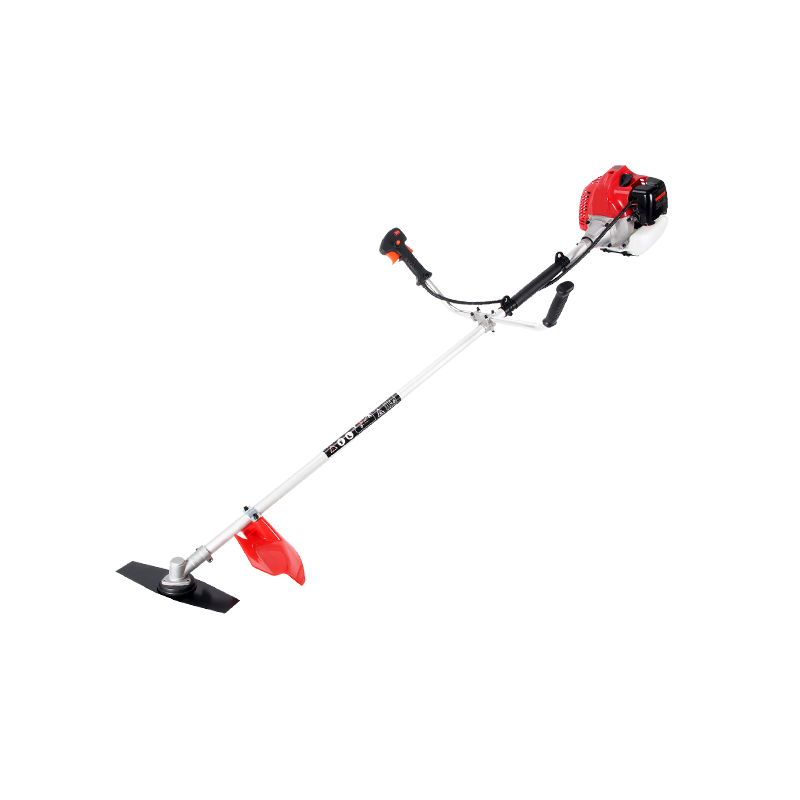
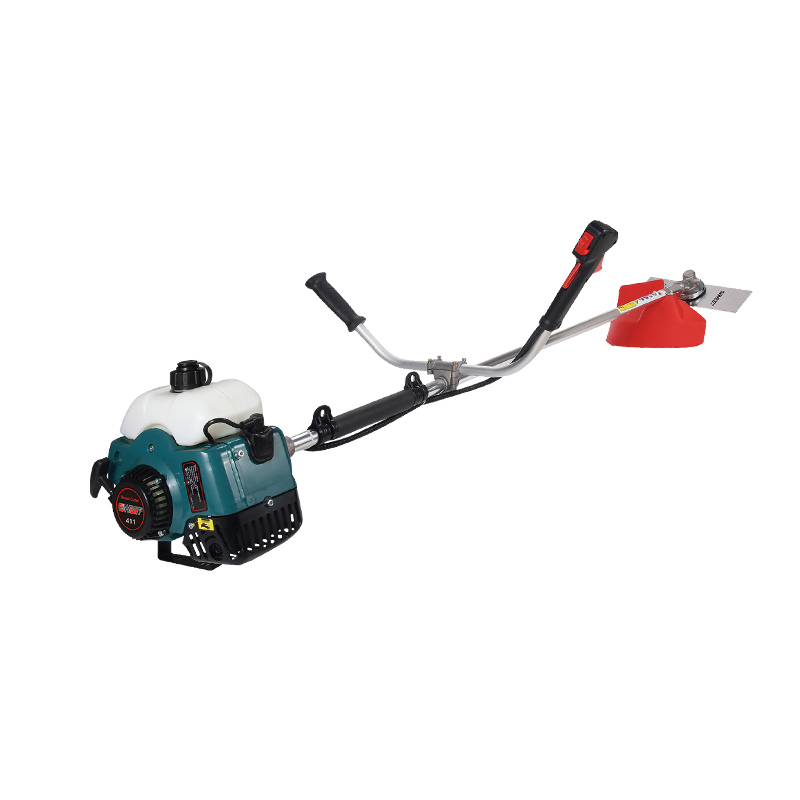
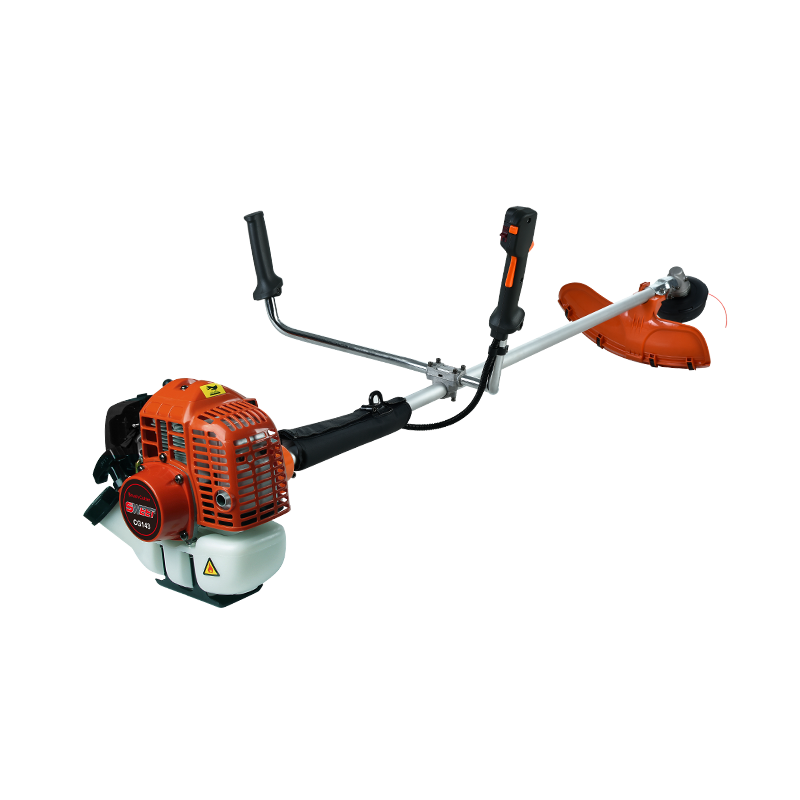
Brush cutter clutch housing, gasoline chain saw manufacturers are often discussed together when evaluating vibration behavior in small power outdoor equipment, especially in systems where rotational force transfer and engine stability directly affect long-term mechanical condition. In practical maintenance scenarios, clutch housing vibration control design is not only about reducing shaking, but also about maintaining consistent transmission alignment under varying load conditions and operating environments.
Why Vibration Becomes a Structural Concern
In brush cutters and similar handheld cutting tools, the clutch housing sits between the engine output and the cutting attachment system. During operation, torque changes rapidly as the blade or line encounters different vegetation densities. This creates fluctuating rotational resistance, which is transmitted through the clutch assembly into the housing structure.
Over time, repeated vibration exposure may cause several mechanical concerns:
- Fastener loosening around the clutch cover area
- Uneven wear on bearing contact surfaces
- Misalignment between drive shaft and housing centerline
- Increased operator fatigue due to handle vibration transfer
Gasoline chain saw manufacturer designs often face similar challenges, especially when adapting engine platforms across multiple tool types. Although chain saws and brush cutters differ in structure, both rely heavily on stable clutch engagement and controlled vibration paths.
The key issue is not eliminating vibration entirely, but managing how vibration is transferred, absorbed, or redirected through structural design choices.
Structural Adjustments in Clutch Housing Design
Modern brush cutter clutch housing systems are typically developed with a combination of material selection, structural reinforcement, and damping geometry. Instead of relying on a single vibration-reduction method, engineers tend to distribute vibration control across multiple design layers.
Common structural approaches include:
- Reinforced rib patterns on housing shells to reduce resonance zones
- Aluminum alloy or composite blends for controlled rigidity
- Isolation gaps between engine mount and housing interface
- Balanced clutch drum alignment to reduce eccentric rotation
- Heat-resistant internal spacing to maintain stable clearance under load
A key design direction is improving rotational consistency rather than simply stiffening the structure. When rigidity increases without balance adjustment, vibration may shift to other components instead of being reduced.
Some gasoline chain saw manufacturer designs also adopt modular clutch housings that allow easier alignment correction during assembly or servicing. This helps reduce cumulative tolerance errors that can contribute to vibration buildup.
Application Scenarios in Field Operations
Brush cutter systems are used in a variety of working environments, and each environment affects vibration behavior differently. The clutch housing must maintain stability under changing conditions such as:
- Dense grass cutting in agricultural land
- Brush clearing in roadside maintenance work
- Sloped terrain landscaping tasks
- Long-duration trimming in forestry maintenance zones
In dense vegetation, cutting resistance changes frequently, causing sudden torque variations. In such cases, vibration is often felt more strongly in the handle area if clutch housing alignment is not well maintained.
For gasoline chain saw manufacturer applications, similar principles apply when chain tension changes or when cutting hardwood versus softwood. Although the tool configuration differs, both rely on stable clutch engagement to maintain predictable power transfer.
Observed Maintenance Data and Field Feedback
Field maintenance records from service teams and equipment operators often highlight recurring patterns related to clutch housing vibration behavior. While conditions vary across usage environments, several trends appear consistently.
|
Observation Area |
Typical Condition |
Maintenance Response |
|
Fastener Stability |
Gradual loosening after extended operation cycles |
Periodic tightening and thread inspection |
|
Bearing Wear Pattern |
Slight uneven wear on drive-side bearing surfaces |
Bearing replacement during scheduled service |
|
Housing Alignment |
Minor offset after heavy-load usage |
Realignment during clutch servicing |
|
Vibration Transfer |
Noticeable increase after prolonged seasonal use |
Inspection of damping components |
In many cases, vibration-related issues do not emerge suddenly but develop gradually through cumulative mechanical stress. Maintenance intervals therefore play a significant role in controlling long-term structural balance
Some gasoline chain saw manufacturer service data also indicates that vibration complaints often correlate with worn clutch springs or uneven drum surfaces rather than engine irregularities alone.
Design Considerations Across Manufacturing Systems
From a manufacturing perspective, clutch housing vibration control is influenced by both production precision and assembly consistency. Even small deviations in machining tolerance can affect how rotational force is distributed.
Key considerations include:
- Machining accuracy of housing mounting surfaces
- Consistent balancing of clutch drum components
- Controlled surface finishing to reduce friction inconsistencies
- Assembly torque calibration during final production stages
Rather than focusing on a single structural upgrade, manufacturers tend to adjust multiple production variables to maintain consistency across batches. This approach is especially important for gasoline chain saw manufacturer production lines, where parts may be shared across different product models.
Practical Maintenance Approaches for Field Use
Maintenance practices also play a direct role in managing vibration behavior over time. Operators and service technicians often apply several routine checks:
- Inspect clutch cover screws for gradual loosening
- Clean debris buildup around housing ventilation areas
- Check for uneven wear marks on clutch drum surfaces
- Monitor unusual vibration changes during idle and full-load operation
- Replace worn damping components during scheduled servicing cycles
In many field reports, early detection of vibration changes helps prevent secondary wear on adjacent components such as crankshaft bearings or handle mounts.