
 English
 русский
 Español
 عربى
عربى
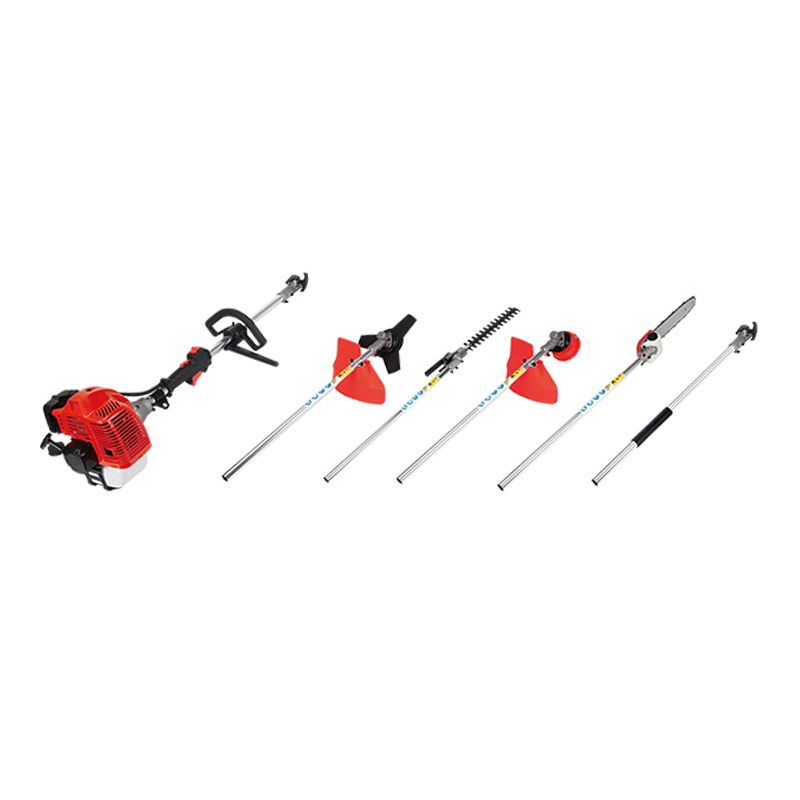
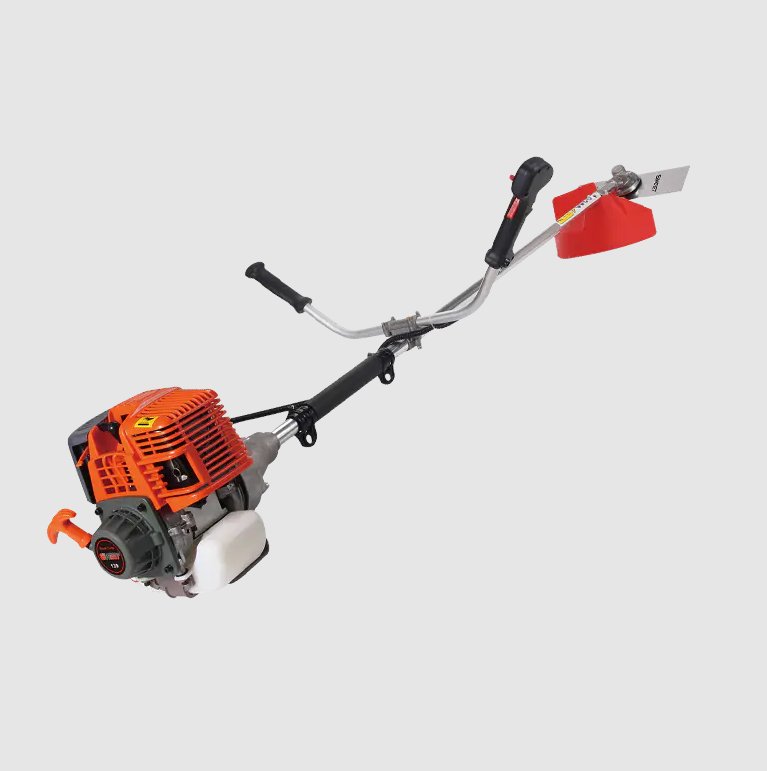
Vegetation management requirements vary across landscaping, agricultural, and property maintenance projects. A brush cutter supplier for sale often offers multiple cutting attachment options to meet these different needs. Likewise, a garden tool brush cutter manufacturer may develop equipment that supports interchangeable attachments, allowing users to adapt a single machine to a wider range of tasks.
The Importance of Attachment Selection
While engine performance is an important factor when purchasing a brush cutter, the cutting attachment also plays a significant role. Different attachments are designed for specific vegetation types, and selecting the appropriate option can help improve work efficiency and handling.
Many buyers evaluate attachment compatibility before placing orders, especially when the equipment will be used in multiple environments.
Nylon Trimmer Heads for Light Vegetation
Nylon trimmer heads are commonly used for grass cutting and routine maintenance work. They are suitable for residential gardens, parks, and other areas where vegetation is relatively light.
The flexible cutting line can operate around trees, fences, and landscaping features with less risk of surface damage. For this reason, many users choose nylon heads for regular trimming tasks.
A brush cutter supplier for sale may provide several trimmer head designs to accommodate different user preferences and maintenance requirements.
Metal Blades for Heavier Growth
When vegetation becomes thicker, metal blades are often selected. These attachments are designed for weeds, dense grass, and overgrown areas where nylon lines may be less effective.
Metal blades are available in different configurations, allowing users to choose an option based on the type of vegetation they frequently encounter. This flexibility makes them a practical choice for commercial landscaping and agricultural applications.
Circular Saw Blades for Woody Plants
Some environments contain shrubs, saplings, and woody growth that require a different cutting approach. Circular saw blades can assist with these more demanding tasks.
They are commonly used in land clearing, roadside maintenance, and orchard management. Before selecting this attachment type, buyers often review machine compatibility and operating requirements to ensure suitable performance.
Matching Attachments to Applications
Different industries use brush cutters in different ways. Landscaping contractors may need attachments for both routine maintenance and seasonal vegetation control. Agricultural users often require solutions for field edges, orchards, and irrigation areas.
Because of these varied requirements, attachment versatility has become an important purchasing consideration. Equipment that supports multiple attachment options can provide greater flexibility throughout the year.
Factors Buyers Often Consider
Several factors frequently influence attachment selection:
Compatibility
Attachments should fit the intended machine model and support efficient installation and replacement.
Durability
Material quality and construction may affect attachment lifespan under regular use.
Spare Parts Availability
Distributors and importers often prefer products with accessible replacement components.
Safety Requirements
Different attachments may require specific operating procedures and protective equipment.
Evolving Market Requirements
As vegetation management tasks become more diverse, buyers increasingly look for equipment that can support multiple functions. A garden tools brush cutter manufacturer may respond by developing machines with adaptable attachment systems, while a brush cutter supplier for sale can offer accessory packages tailored to different applications.
Understanding the characteristics of each attachment type helps buyers choose equipment configurations that match their operational needs and working environments.