
 English
 русский
 Español
 عربى
عربى
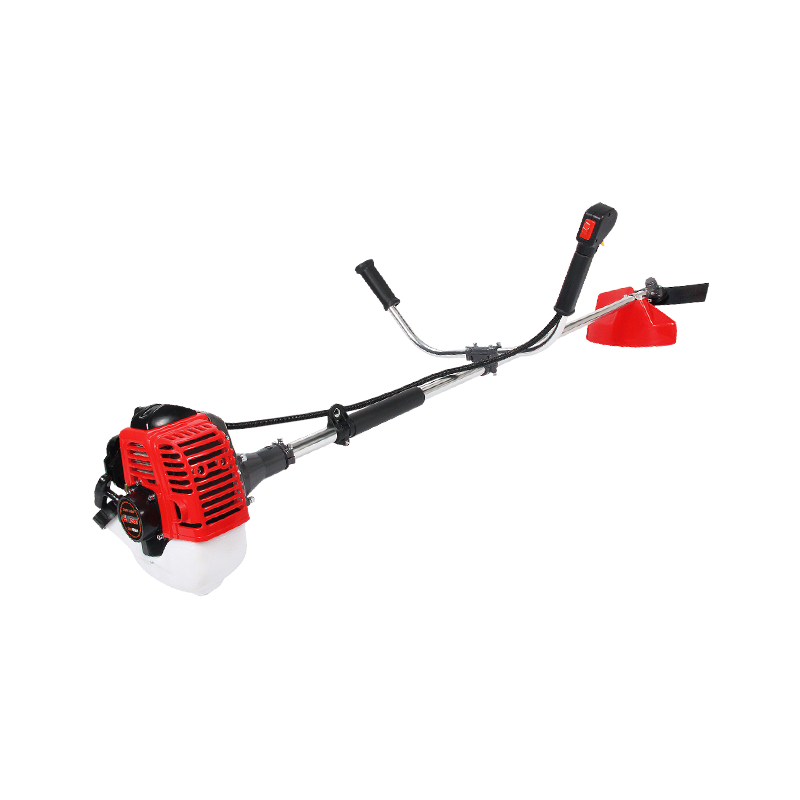
Operating costs remain an important topic for professional users of outdoor power equipment. When evaluating equipment options, a brush cutter supplier for sale is often asked about fuel consumption and daily operating expenses. At the same time, a garden tools brush cutter manufacturer may focus on engine design and equipment balance to support efficient fuel usage across different working conditions.
Fuel efficiency is not only related to fuel savings. It can also influence working time, maintenance planning, and overall equipment management for contractors, distributors, and end users.
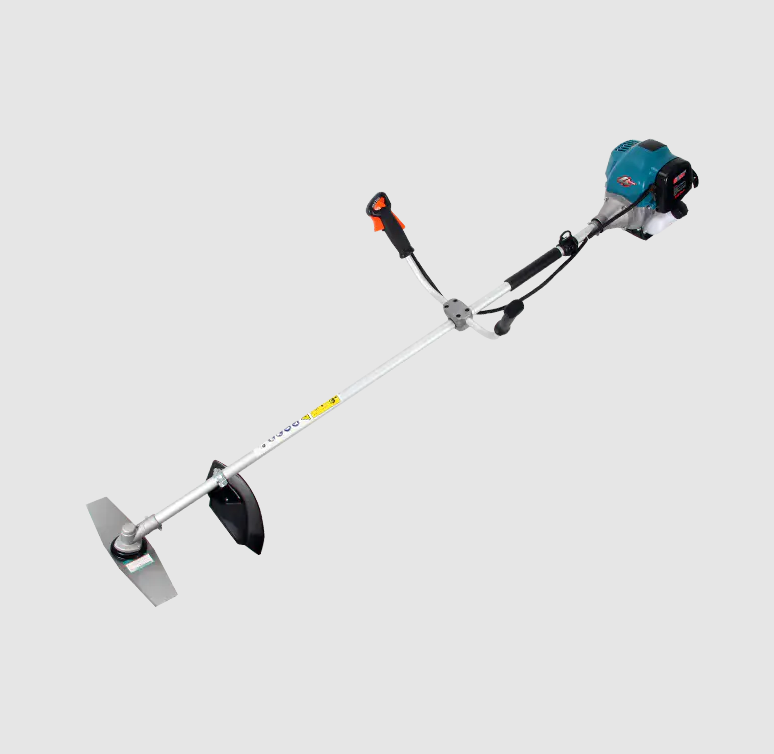
Why Fuel Efficiency Matters
Brush cutters are frequently used for landscaping, agricultural maintenance, roadside vegetation control, and property management. In many of these applications, operators work for extended periods and may cover large areas.
Under these conditions, fuel consumption becomes a practical consideration. Equipment that uses fuel efficiently can reduce interruptions for refueling and help users maintain a smoother workflow throughout the day.
For commercial operators managing multiple machines, fuel-related expenses can also become an important part of operational planning.
Engine Size and Fuel Consumption
Engine displacement is one factor that can affect fuel usage. Smaller engines are often selected for light vegetation management, while larger engines may be preferred for demanding tasks involving dense weeds or thicker plant growth.
However, fuel efficiency is not determined by engine size alone. The relationship between power output and workload is equally important. An engine that is appropriately matched to the intended application may perform more consistently than one that is either underpowered or oversized for the task.
Because of this, buyers often compare different engine options before making purchasing decisions.
The Role of Equipment Design
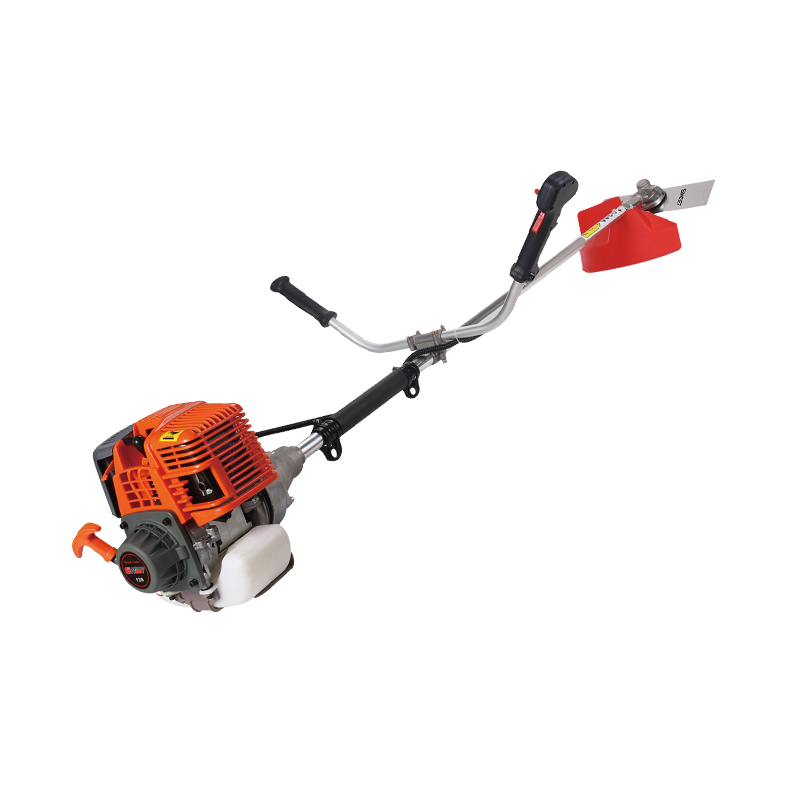
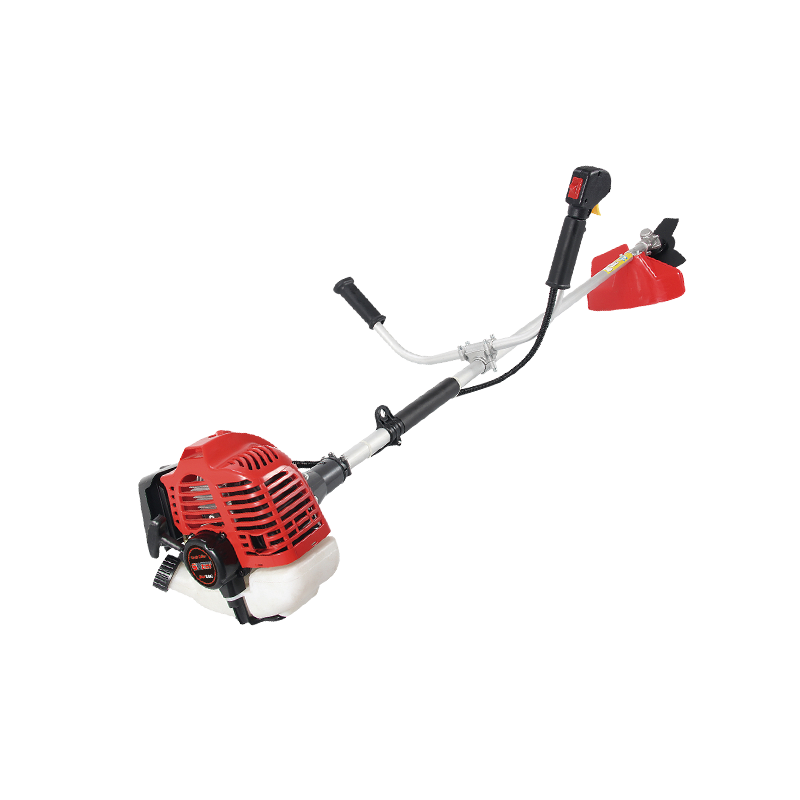
Machine design can also influence fuel consumption during operation. Factors such as equipment weight, balance, and shaft construction may affect how efficiently power is transferred to the cutting attachment.
A well-balanced brush cutter can help reduce operator fatigue and support smoother operation. When equipment is easier to control, users may be able to maintain a more consistent working pace.
A garden tools brush cutter manufacturer may therefore consider both engine performance and structural design when developing new product models.
Working Conditions Affect Fuel Usage
Fuel consumption can vary significantly depending on the environment in which the brush cutter is used.
For example, trimming light grass in a maintained garden generally requires less power than clearing dense weeds or unmanaged vegetation. Similarly, working on uneven terrain may place different demands on the machine compared with operating on flat surfaces.
As a result, two users operating the same model may experience different fuel consumption patterns based on their specific applications.
Maintenance and Operating Practices
Regular maintenance plays an important role in supporting efficient equipment operation. Components such as air filters, spark plugs, and fuel systems should be inspected according to maintenance recommendations.
Proper maintenance can help engines operate more consistently and reduce unnecessary strain during use. Operators also benefit from using suitable cutting attachments and following recommended operating procedures.
These practices contribute to reliable performance while helping users manage fuel-related operating costs.
Choosing a Suitable Model
When comparing equipment options, buyers often look beyond purchase price and engine specifications. Fuel efficiency, maintenance requirements, and intended applications are also common evaluation factors.
A brush cutter supplier for sale may assist customers by recommending models that match specific vegetation conditions and usage patterns. This approach helps buyers select equipment that aligns with their operational requirements rather than focusing on a single specification.
Different industries may have different priorities. Landscaping companies, agricultural users, and maintenance contractors often evaluate fuel efficiency from different perspectives depending on their daily workloads.
Market Interest in Efficient Equipment
As businesses continue to focus on productivity and cost management, fuel efficiency remains an area of interest across many markets. Manufacturers and suppliers continue to explore ways to improve engine performance, equipment design, and operational reliability.
A garden tools brush cutter manufacturer can support this demand through ongoing product development, while a brush cutter supplier for sale can help buyers understand the factors that influence fuel consumption in practical working environments.
Careful consideration of engine characteristics, machine design, maintenance practices, and operating conditions can help users choose equipment that supports their long-term operational goals.