
 English
 русский
 Español
 عربى

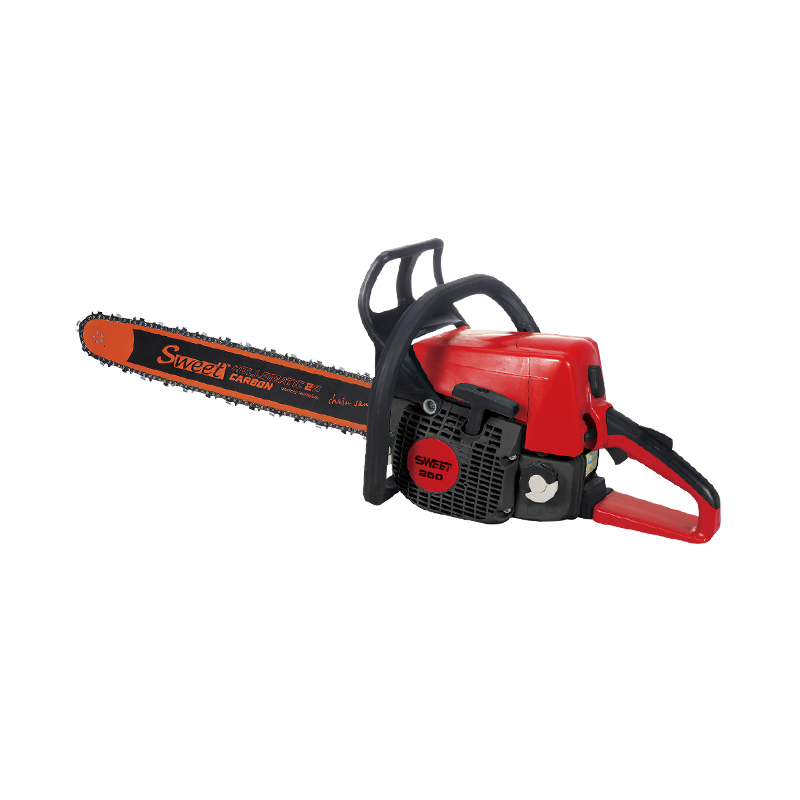
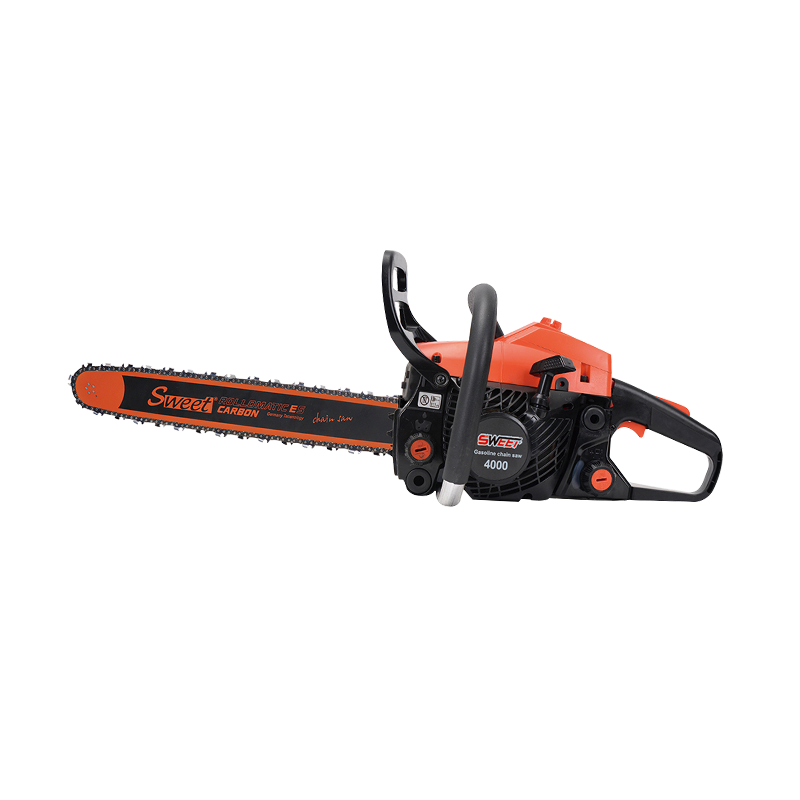
Fuel efficiency and maintenance expenses are important considerations for forestry contractors, landscaping companies, and outdoor equipment distributors. When gasoline chainsaws are used regularly, unsuitable operating practices, neglected air filters, and poorly maintained cutting chains can increase running costs and interrupt work. Choosing equipment with practical maintenance features is equally important. As an experienced gasoline chain saw supplier, we help commercial buyers understand the factors that influence operating efficiency and select products suited to their daily workloads.
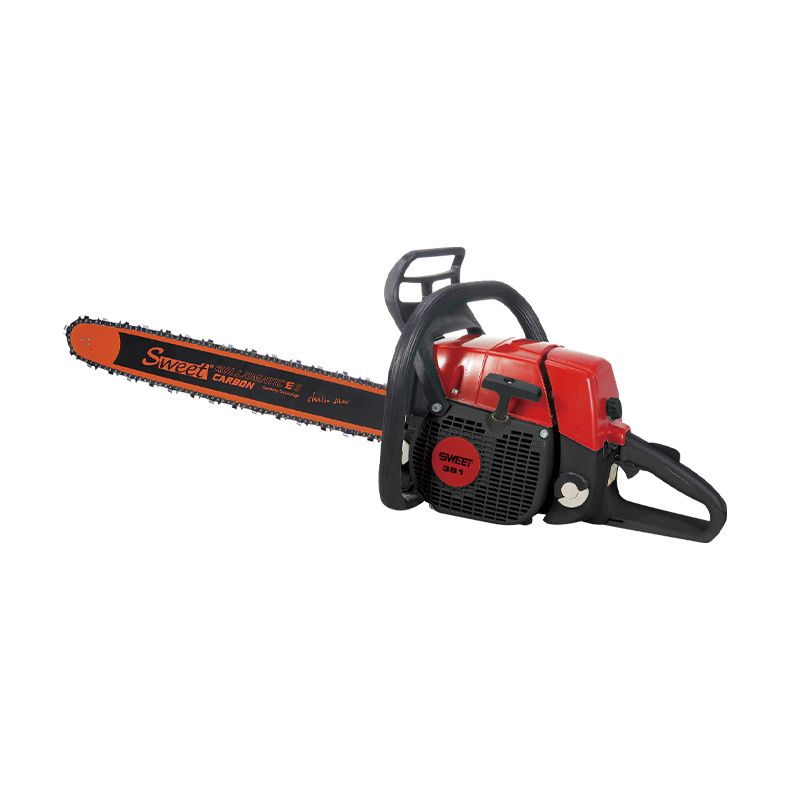
Keep the Cutting Chain Sharp
A sharp cutting chain helps the chainsaw cut efficiently without requiring unnecessary pressure from the operator. A dull chain may produce fine sawdust instead of larger chips, increase cutting time, and place additional demands on the machine.
Operators should inspect the chain regularly and sharpen it according to the manufacturer's specifications. The correct file size, sharpening angle, and depth gauge setting are essential for maintaining consistent cutting performance.
For equipment dealers, supplying compatible replacement chains and sharpening accessories can also improve after-sales service. Clear maintenance guidance helps customers protect their equipment and avoid premature component replacement.
Maintain Clean Air Intake Components
Dust and wood particles accumulate during routine cutting, particularly in dry environments and demanding outdoor applications. A dirty air filter can restrict airflow and affect engine performance, making regular inspection an important part of preventive maintenance.
The appropriate cleaning method depends on the filter design. Operators should follow the manufacturer's instructions and replace damaged or excessively worn filters rather than continuing to use them.
When comparing gasoline chainsaw models, buyers should consider how easily routine service components can be accessed. Convenient maintenance points can reduce servicing effort for contractors managing several machines across different job sites.
Use the Correct Fuel Mixture
Many gasoline chainsaws use two-stroke engines that require gasoline mixed with the specified two-stroke engine oil. Using an incorrect mixture can contribute to poor lubrication, excessive deposits, or engine damage.
To avoid preventable problems, operators should:
- Follow the exact fuel-to-oil ratio specified in the user manual.
- Use suitable fuel and engine oil that meet the manufacturer's requirements.
- Prepare only the quantity needed for the intended operating period.
- Store fuel in an approved, clearly labeled container away from heat and ignition sources.
- Avoid using old or contaminated fuel when the manufacturer's storage guidance indicates it should be discarded.
For importers and wholesalers, accurate manuals and clear fuel instructions are valuable product support materials that help reduce avoidable customer complaints.
Check Chain Lubrication Before Operation
Insufficient lubrication can accelerate wear on the chain and guide bar, increasing repair costs and potentially interrupting work. Before operation, users should check the oil level, inspect the lubrication system, and confirm that the correct chain oil is being used.
If lubrication appears inadequate, the machine should be stopped and inspected according to the manufacturer's instructions. Blocked oil passages, an empty reservoir, or a malfunctioning oil pump may require attention.
A dependable gasoline chainsaw should include clear guidance on lubrication checks and routine service. Buyers should verify these details during product evaluation rather than focusing exclusively on engine specifications.
Choose Equipment for the Actual Workload
Operating efficiency depends partly on matching the chainsaw to the task. A lightweight model intended for occasional property maintenance may not be suitable for continuous heavy-duty cutting. Conversely, a larger machine can add unnecessary weight when used for lighter work.
Before purchasing, assess the typical wood diameter, expected operating frequency, required guide bar length, and operator handling needs. Selecting a suitable configuration can help avoid excessive strain on both the equipment and its user.
Commercial buyers should also compare maintenance accessibility, compatible spare parts, and warranty conditions. These factors can influence the total cost of ownership beyond the initial purchase price.
Establish a Practical Inspection Routine
A consistent inspection schedule helps identify wear and damage before they develop into more serious problems. Before each use, operators should check chain tension, cutting components, handles, fasteners, and safety devices. Air filters, spark plugs, and other service items should be inspected at intervals specified by the manufacturer.
For fleet operators, recording maintenance dates and replaced components can make service planning more predictable. Equipment should be removed from service if a safety device fails or a defect makes continued operation unsafe.
Source Chainsaws with Long-Term Support in Mind
Reducing operating costs requires a combination of suitable equipment, correct fuel management, regular maintenance, and responsible operation. For distributors, reliable specifications and replacement-part support are also essential to building customer confidence. As a professional gasoline chain saw supplier, we work with international buyers to evaluate product configurations, clarify maintenance requirements, and identify chainsaw solutions suited to their applications, distribution needs, and long-term service expectations.