
 English
 русский
 Español
 عربى
عربى
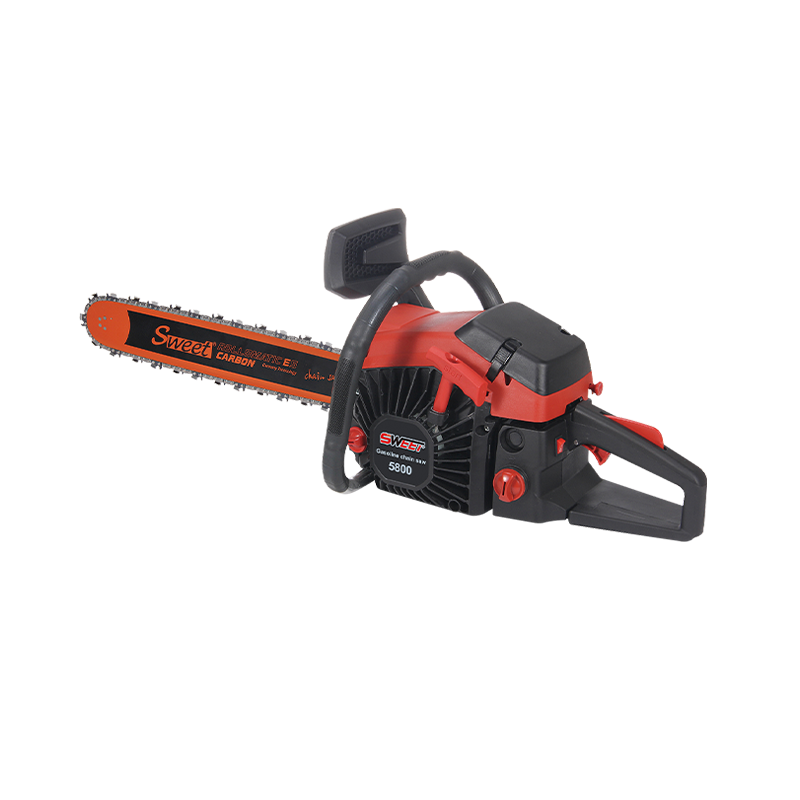
For landscaping contractors, forestry service providers, and outdoor power equipment distributors, choosing a gasoline chainsaw involves balancing cutting performance, operating comfort, and maintenance costs. A model that works well for occasional garden tasks may not meet the demands of frequent log cutting or property clearance. As a professional gasoline chain saw supplier, we recommend evaluating equipment according to real working conditions rather than relying on engine specifications alone. A well-matched product can help businesses improve work efficiency and provide customers with more suitable equipment.
Select the Right Guide Bar Length
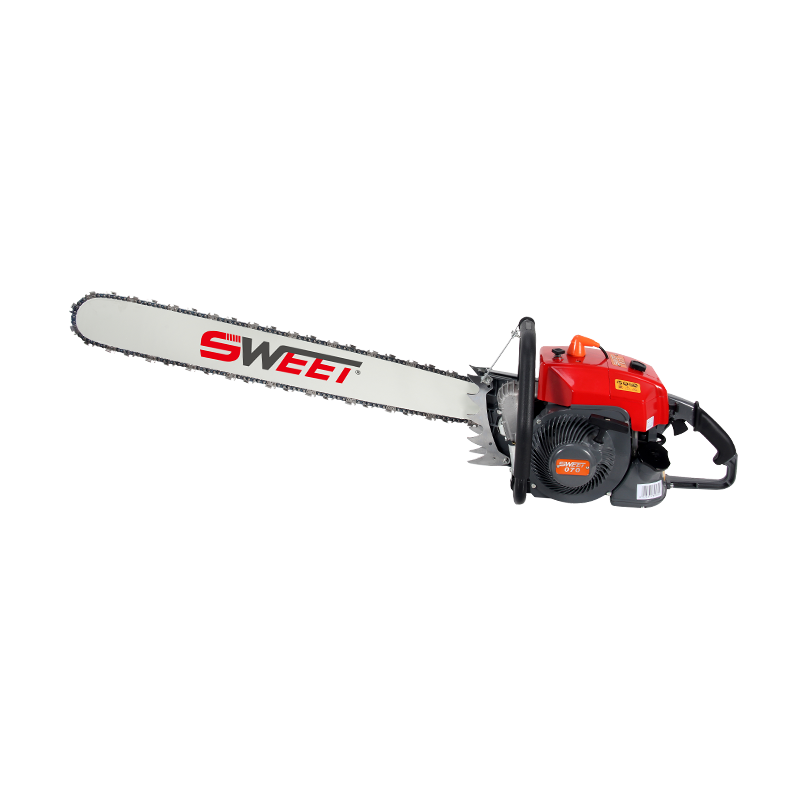
Guide bar length directly affects the types of cutting tasks a chainsaw can handle. Shorter bars are generally easier to maneuver for suitable pruning and light cutting applications, while longer bars can accommodate larger logs when paired with an appropriately designed machine.
However, a longer guide bar is not automatically a better choice. It can increase weight, affect handling, and place greater demands on the engine. Buyers should consider typical wood diameter, cutting frequency, and operator experience before selecting a configuration.
For distributors, offering several bar-length options can help serve homeowners, landscaping professionals, and forestry customers without forcing every user into the same product category.
Balance Engine Displacement and Handling
Engine displacement is an important specification, but it should not be considered in isolation. Cutting performance also depends on engine design, chain condition, bar configuration, and the material being processed.
A heavier machine may be appropriate for certain demanding applications, but prolonged use can increase operator fatigue. For frequent ground-level cutting or property maintenance, manageable weight and comfortable handling may be just as important as available power.
When comparing gasoline chainsaw models, buyers should review the complete specification sheet and assess whether the machine suits its intended workload. Manufacturers should provide clear information about weight, recommended applications, compatible cutting attachments, and operating requirements.
Check Chain Speed and Cutting Compatibility
Chain performance depends on more than the engine. The chain pitch, gauge, sprocket configuration, guide bar, and lubrication system must work together correctly. Incompatible components can cause fitting problems, uneven wear, or unsatisfactory cutting performance.
Before ordering replacement chains or assembling a product range, confirm the manufacturer's approved combinations. Distributors should also keep accurate records of compatible spare parts to reduce incorrect orders and simplify after-sales service.
For professional users, regular chain sharpening and correct tension adjustment are essential. A dull chain can require more effort and generate additional heat, while excessive tension can increase component wear.
Prioritize Vibration Control and Operator Comfort
Operator comfort becomes especially important when chainsaws are used repeatedly throughout the working day. Excessive vibration, poor balance, awkward controls, and difficult starting procedures can make routine tasks more demanding.
Buyers evaluating commercial gasoline chainsaws should examine the handle design, vibration-reduction system, throttle arrangement, and overall balance. Where possible, practical demonstrations can help distributors assess whether a model feels manageable for its intended users.
Clear operating instructions and accessible maintenance points also improve usability. These details matter to rental companies and equipment dealers that need products customers can learn to operate and maintain correctly.
Evaluate Maintenance Access and Spare Parts
A chainsaw that is difficult to service may create avoidable delays for contractors and distributors. Routine inspection points, accessible filters, and clearly identified replacement components can simplify maintenance.
Before selecting a gasoline chainsaw manufacturer, buyers should confirm the availability of commonly required parts, including air filters, spark plugs, chains, guide bars, and suitable maintenance components. They should also clarify warranty coverage and technical support arrangements.
For wholesale purchasing, consistent specifications and dependable parts identification help businesses manage inventory more efficiently. These considerations are particularly valuable when supporting customers across several regions.
Verify Export Requirements Before Ordering
International buyers need to consider more than product performance. Import regulations, emissions requirements, safety standards, labeling, and documentation can vary by destination market.
Before confirming an order, importers should identify the requirements applicable to their country and intended sales channel. Request relevant compliance documents and verify that product descriptions match the supplied configuration.
Packaging durability, spare-parts arrangements, and clear user manuals should also be discussed during procurement. Addressing these details early can reduce misunderstandings and help prevent delays during distribution.
Make Equipment Selection a Business Advantage
The right chainsaw specification depends on the work it must perform, the people operating it, and the support available after purchase. Guide bar compatibility, manageable weight, maintenance access, and documented compliance all deserve attention alongside price and engine power. As a gasoline chain saw supplier, we work with distributors and commercial buyers to clarify product specifications, compare suitable configurations, and identify equipment options that align with their target markets and practical operating needs.