
 English
 русский
 Español
 عربى
عربى
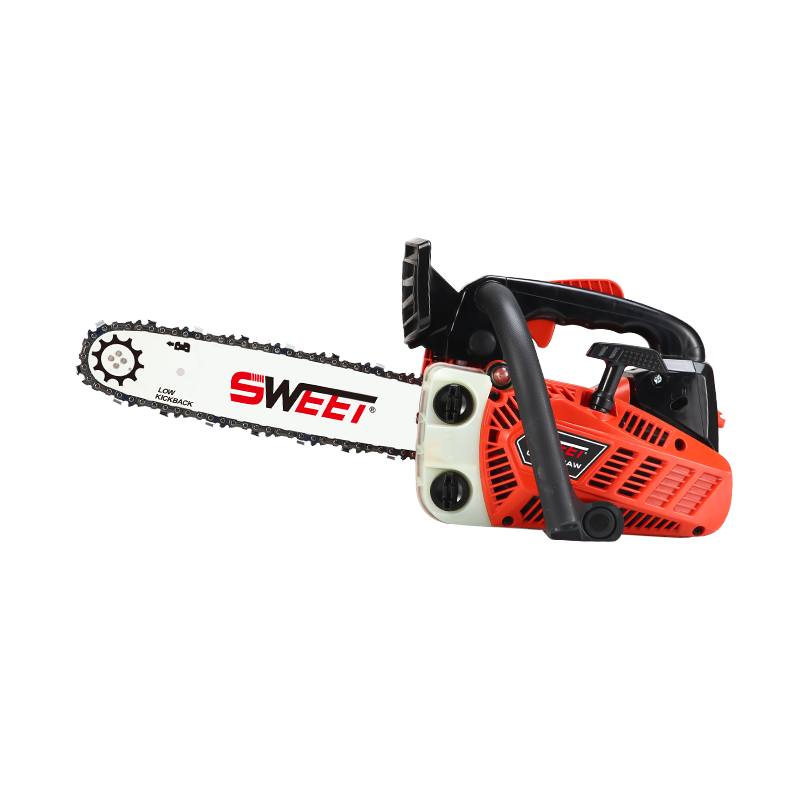
For forestry contractors, landscaping companies, and outdoor equipment distributors, reliable cutting performance is essential to daily operations. Choosing the right gasoline chainsaw involves more than comparing engine power and bar length. Fuel quality, chain lubrication, air filtration, and maintenance accessibility all influence long-term performance. As a professional gasoline chain saw supplier, we focus on helping buyers select equipment that matches their working conditions while reducing avoidable maintenance issues and operating interruptions.
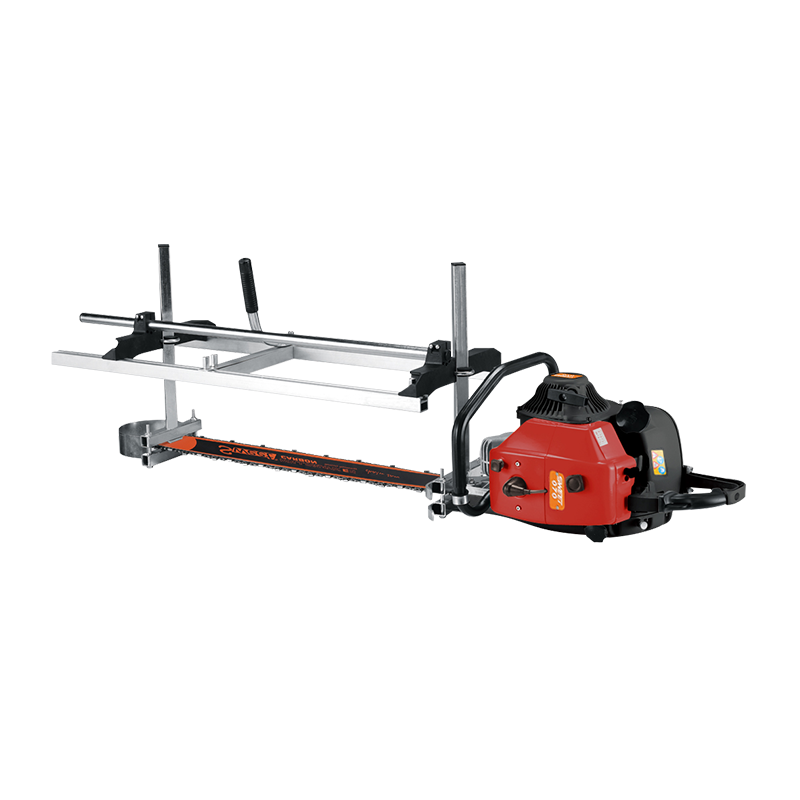
Match Engine Power to Cutting Applications
A chainsaw designed for routine pruning may not be suitable for processing thick logs throughout a working day. Selecting an appropriate model helps balance cutting efficiency, operator control, and fuel consumption.
Before placing a bulk order, buyers should consider the typical wood diameter, cutting frequency, required guide bar length, and operator experience. Forestry and heavy-duty applications may require different engine configurations from garden maintenance or occasional firewood preparation.
For distributors, offering several model options can also make it easier to serve different customer groups without maintaining an unnecessarily complicated inventory.
Prevent Starting Problems Through Fuel Management
Difficult starting is a common concern for gasoline chainsaw owners, particularly when equipment has been stored between seasons. Incorrect fuel mixtures, stale gasoline, and contaminated fuel systems can contribute to unreliable engine performance.
To reduce these problems, operators should follow the manufacturer's fuel specifications, use fresh fuel, and avoid leaving unsuitable fuel in the tank during extended storage. Fuel containers should remain clean and properly sealed.
When evaluating a gasoline chainsaw manufacturer, distributors should also check whether the user manual clearly explains fuel preparation, starting procedures, and storage recommendations. Practical documentation can reduce basic service inquiries and improve the customer experience.
Keep the Air Filter and Cutting System Clean
Dust, wood chips, and resin can gradually affect chainsaw performance. A restricted air filter may interfere with engine operation, while insufficient chain lubrication can accelerate wear on the guide bar and cutting chain.
A simple maintenance routine should include:
- Cleaning the air filter according to the manufacturer's instructions.
- Checking chain tension before operation and after the chain has cooled when adjustment is necessary.
- Inspecting the guide bar groove and oil passages for accumulated debris.
- Confirming that the chain lubrication system functions correctly.
- Examining the chain, sprocket, and fasteners for visible wear or damage.
These checks are particularly valuable for rental businesses and professional users who operate equipment frequently. Regular maintenance helps identify developing problems before they lead to unnecessary downtime.
Evaluate Safety Features Before Bulk Purchasing
Safety specifications deserve careful attention when sourcing gasoline-powered chainsaws for commercial distribution. A chain brake, chain catcher, hand guards, and accessible stop switch are important features to evaluate, alongside the machine's weight, balance, and handling characteristics.
Buyers serving different export markets should verify applicable requirements rather than assuming that one specification meets every country's regulations. Relevant documentation, clear safety instructions, and accurate product labeling should form part of the supplier evaluation process.
Operators must also receive appropriate training and wear suitable protective equipment, including eye, hearing, leg, hand, and foot protection. Equipment design supports safe operation but cannot replace correct working practices.
Compare Suppliers Beyond the Purchase Price
A competitive quotation is only one part of a successful sourcing decision. For importers and wholesalers, product consistency, spare-parts availability, packaging quality, and technical support can have a significant effect on after-sales costs.
When comparing suppliers, request details about available engine configurations, compatible guide bars and chains, replacement components, inspection procedures, and warranty conditions. For private-label projects, confirm branding options, packaging specifications, minimum order quantities, and production lead times before finalizing the agreement.
Clear communication at the quotation stage helps buyers avoid mismatched specifications and makes future replenishment orders easier to manage.
Prepare Equipment for Seasonal Storage
Chainsaws used for storm cleanup, landscaping, and seasonal forestry work may remain idle for extended periods. Proper storage helps reduce the risk of starting difficulties when equipment returns to service.
Follow the manufacturer's instructions for fuel-system preparation, cleaning, and storage. Allow the engine to cool before handling or storing the machine, keep it away from ignition sources, and protect the guide bar and chain with an appropriate cover. Before the next working season, inspect the machine and verify that its safety devices function correctly.
Build a More Reliable Sourcing Strategy
Selecting a dependable gasoline chainsaw requires attention to application suitability, maintenance requirements, safety features, and long-term parts support. Buyers who evaluate these factors alongside pricing can make better-informed purchasing decisions and build a product range that meets real customer needs. As a gasoline chain saw supplier, we support distributors and commercial buyers with application-focused product information, specification guidance, and sourcing discussions tailored to their target markets.