
 English
 русский
 Español
 عربى
عربى
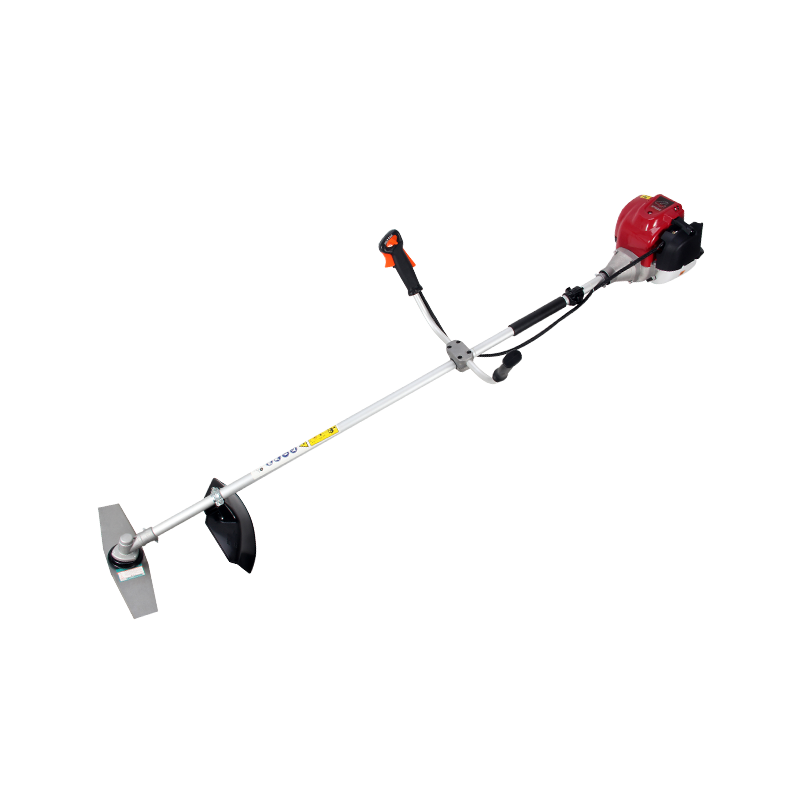
For overseas buyers, choosing a brush cutter manufacturer exporter is increasingly about more than engine output or product appearance. Landscaping contractors, distributors, and agricultural equipment buyers are paying closer attention to operating comfort, cutting attachment compatibility, maintenance, and the practical differences between petrol and battery-powered models. Current industry discussions also show growing interest in cordless brush cutters, lower-maintenance equipment, and application-specific designs.
Match the Cutting System to the Job
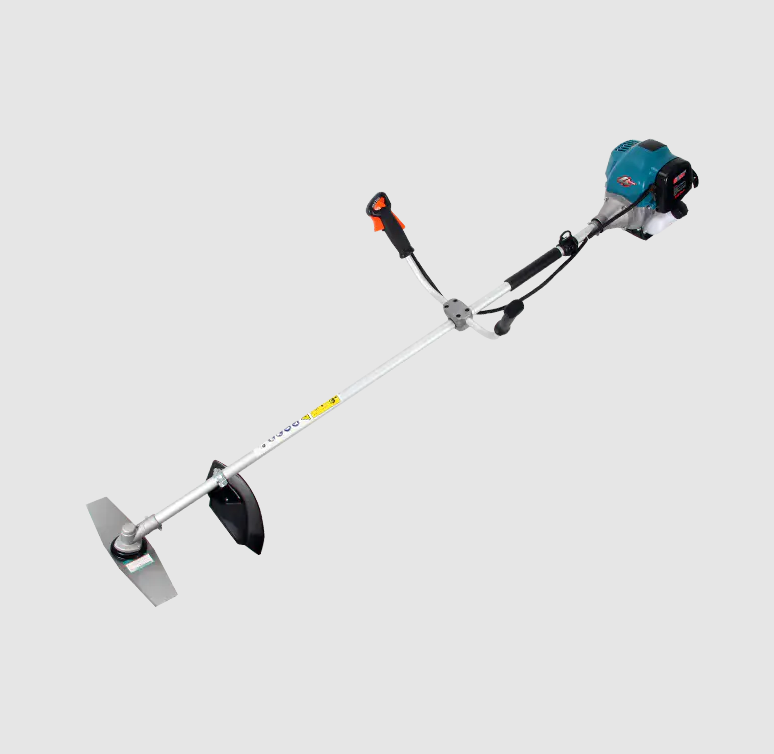
A brush cutter needs to be matched with the vegetation it is expected to handle. Grass, weeds, brambles, and thicker brush place different demands on the cutting head, guard, shaft, and power system. During product development, manufacturers should therefore consider the complete cutting system rather than focusing on the power unit alone. This helps distributors avoid offering a model that performs well in light trimming but struggles in denser vegetation.
Petrol and Battery Models Serve Different Needs
Battery-powered equipment is attracting attention because it removes fuel handling and provides greater freedom of movement without a power cable. It can also suit landscaping work near residential areas where noise and maintenance requirements matter. Petrol brush cutters remain relevant for applications where operators need extended working periods and a familiar refuelling system. For export buyers, maintaining different power options can make a product range easier to adapt to different markets and working conditions.
Operator Comfort Starts with Product Architecture
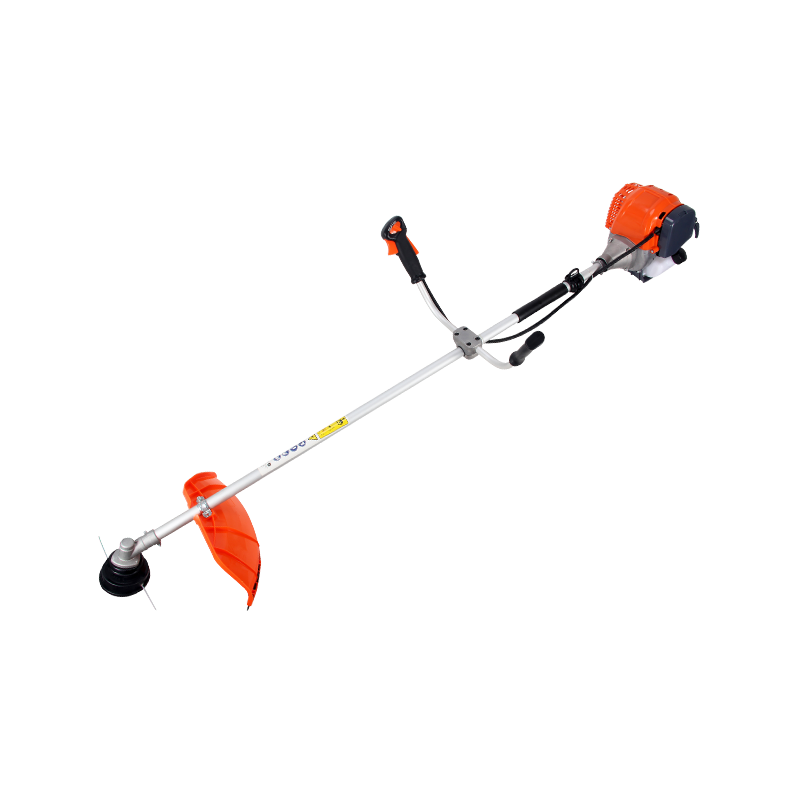
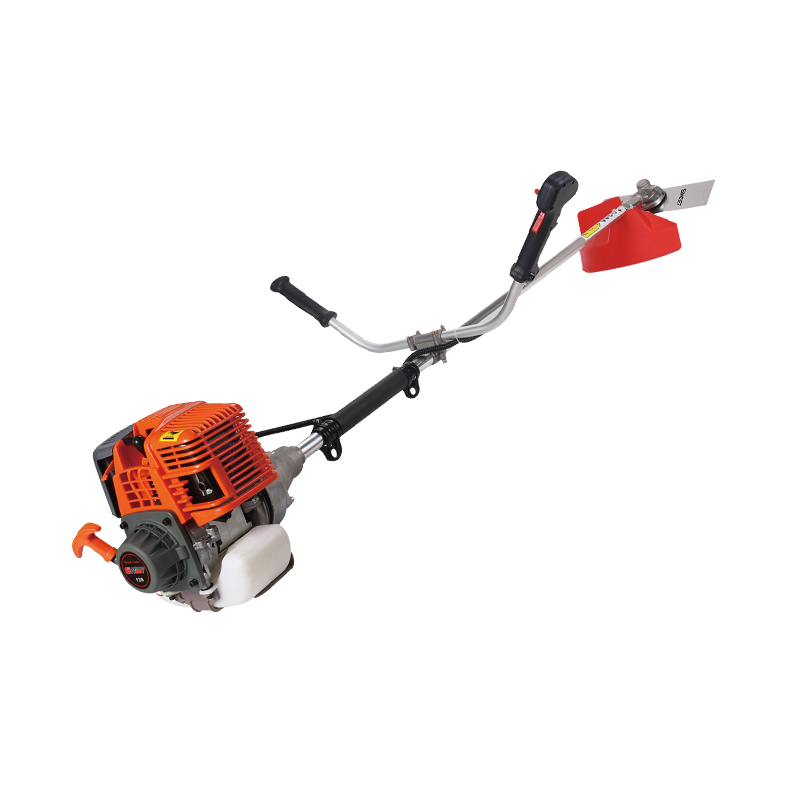
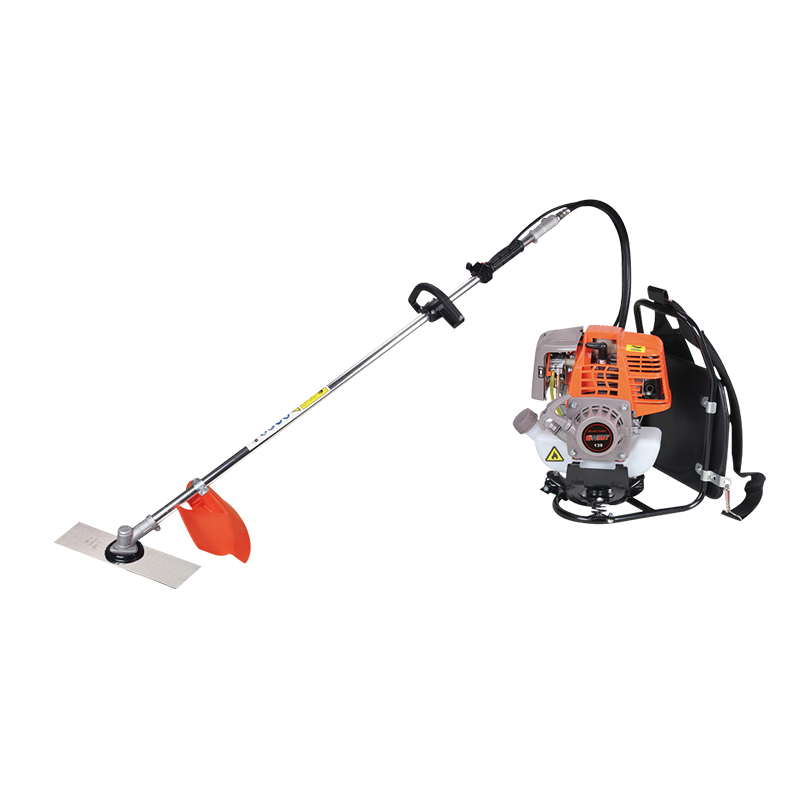
A brush cutter can become difficult to handle when weight distribution, handle position, shaft design, and harness connection are poorly coordinated. Manufacturers working on OEM brush cutter production should evaluate how the complete machine feels during repeated sweeping movements. Adjustable handles, balanced components, accessible controls, and suitable harness support can make a meaningful difference to daily operation without adding unnecessary complexity to the product.
Cutting Attachments Need Careful Compatibility
Attachment compatibility is another practical issue for international buyers. Different blades and cutting heads are intended for different applications, and using an attachment that has not been approved for a particular machine can create safety and mechanical problems. Safety authorities have specifically warned against non-standard cutting attachments because their geometry and mass may place unexpected loads on the machine. A responsible brush cutter manufacturer exporter should therefore define compatible accessories clearly and provide appropriate operating guidance.
Export Readiness Goes Beyond the Machine
For distributors, export-ready supply also involves packaging, manuals, spare parts, replacement cutting components, and consistent quality control. A manufacturer with an established production process can coordinate these elements before shipment instead of treating them as separate after-sales issues. This is especially useful for private-label buyers who need product documentation and accessory configurations to remain consistent across different orders.
OEM Development Should Start with the Market
Private-label customers often have different requirements for handle configuration, power systems, cutting accessories, packaging, and product positioning. Instead of simply applying a logo to an existing model, OEM development can begin with the intended working environment and sales channel. This approach allows the manufacturer to adjust the product around real application needs while keeping production practical for repeat orders.
Building a More Practical Brush Cutter Range
For overseas buyers, the most useful brush cutter range is not necessarily the one with the longest feature list. It is a range where each model has a clear application, compatible accessories, manageable maintenance requirements, and a configuration suited to its target market. As a brush cutter manufacturer exporter, we focus on connecting product engineering with actual landscaping and vegetation-management tasks, helping distributors and professional buyers select configurations that are easier to operate, maintain, and introduce to their markets.