
 English
 русский
 Español
 عربى

As landscaping businesses and garden equipment dealers prepare for changing maintenance demands, keeping brush cutters in working condition has become an important part of daily operations. Worn cutting components, damaged transmission parts, and delayed replacement supplies can interrupt routine work and increase maintenance pressure. As a manufacturer serving international buyers, we understand that a reliable brush cutter spare parts exporter needs to provide more than individual components. Product compatibility, consistent specifications, and dependable supply all matter when customers need to keep their equipment running.
Identify Worn Parts Before They Cause Further Damage
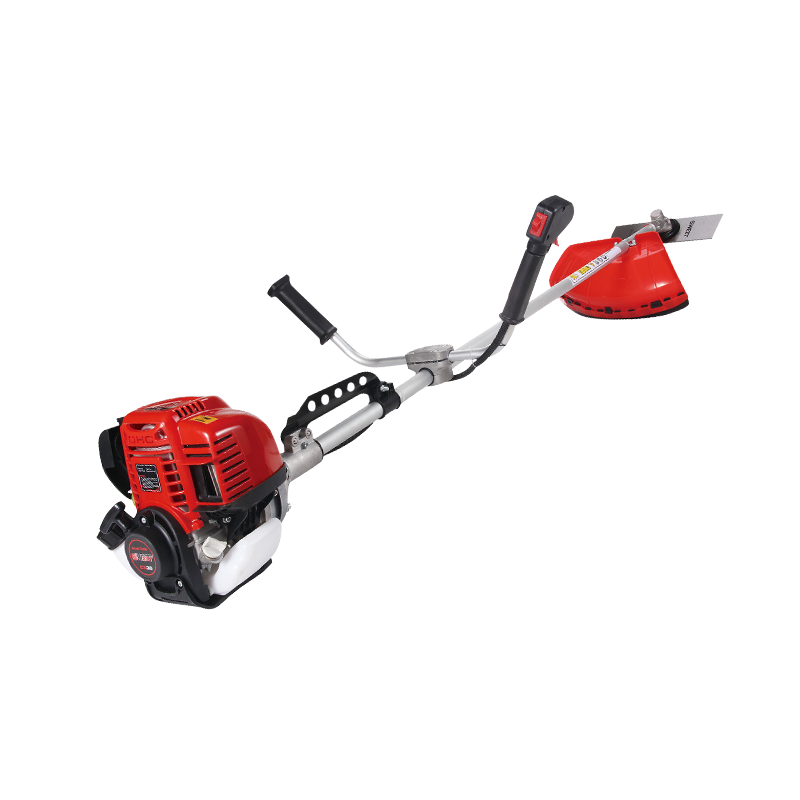
Brush cutters operate in demanding outdoor environments, where dust, grass residue, moisture, and repeated vibration can gradually affect component performance. Some parts require regular inspection, while others may only need replacement after visible damage or abnormal operation.
Common components that buyers and maintenance teams should pay attention to include:
- Cutting blades and nylon trimmer heads: Check for wear, cracks, deformation, or loose fittings.
- Air filters: Inspect for accumulated dust that may restrict airflow to the engine.
- Fuel filters and carburetor components: Examine them when fuel delivery or engine operation becomes inconsistent.
- Drive shafts and gearboxes: Look for unusual vibration, noise, or signs of mechanical wear.
- Starter assemblies: Check for damaged recoil components or difficulties during starting.
Identifying these problems early helps maintenance teams avoid unnecessary equipment downtime.
Check Model Compatibility Before Ordering
One common challenge in wholesale spare parts purchasing is identifying components that actually fit the intended brush cutter models. Parts with similar appearances may have different dimensions, mounting structures, connection types, or specifications.
Before placing an order, buyers should prepare the equipment model, original part number, component dimensions, and relevant product photos. For cutting accessories, mounting hole size and blade configuration also deserve attention.
As a manufacturer, we recommend confirming these details before mass purchasing. This reduces the risk of incorrect orders, unnecessary returns, and additional work for local distributors.
Build an Inventory Around Actual Replacement Needs
For wholesalers and garden equipment dealers, stocking every available component is not always practical. A more manageable approach is to organize inventory according to replacement frequency and equipment application.
Frequently replaced items, such as cutting blades, trimmer heads, filters, and starter components, can be considered when planning regular stock. Less frequently requested mechanical components can be purchased according to customer demand and equipment compatibility.
This approach helps distributors maintain useful product availability without tying up excessive inventory in slow-moving items.
Pay Attention to Material and Component Quality
A spare part may look similar to the original component but perform differently after repeated use. Material selection, machining accuracy, structural strength, and assembly consistency can all affect service performance.
For example, cutting blades need suitable material properties and balanced construction for their intended applications. Gearbox components require accurate dimensions and proper engagement to support stable power transmission.
When evaluating a spare parts supplier, buyers should request relevant product specifications, material information, and sample confirmation rather than relying on product photographs alone.
Support Different Equipment Maintenance Requirements
Brush cutters are used in residential gardens, commercial landscaping, agricultural maintenance, and roadside vegetation control. These applications place different demands on equipment and replacement components.
Professional landscaping teams may need regular supplies of cutting accessories and maintenance parts, while agricultural distributors may also require components for different brush cutter configurations.
A flexible spare parts range allows distributors to serve different customer groups and respond to changing maintenance requirements more efficiently.
Choose a Supplier That Understands After-Sales Needs
Parts availability is closely connected to customer satisfaction. When a dealer cannot identify or obtain a replacement component, even a repairable brush cutter may remain unused for an extended period.
Working with a manufacturer that understands equipment structures and component specifications can make communication more straightforward. Clear product identification, consistent ordering information, sample checks, and responsive technical communication are practical considerations when establishing a long-term supply relationship.
Make Spare Parts Planning Part of Equipment Supply
For international distributors, spare parts should not be treated as an afterthought after equipment sales. A clear replacement parts plan helps local dealers handle maintenance requests, support repeat business, and maintain customer confidence.
As an experienced manufacturer in the outdoor power equipment sector, we recognize the importance of matching component specifications with real operating requirements. Choosing a dependable brush cutter spare parts exporter can help buyers establish a more organized supply channel and provide practical maintenance support for their customers.