
 English
 русский
 Español
 عربى

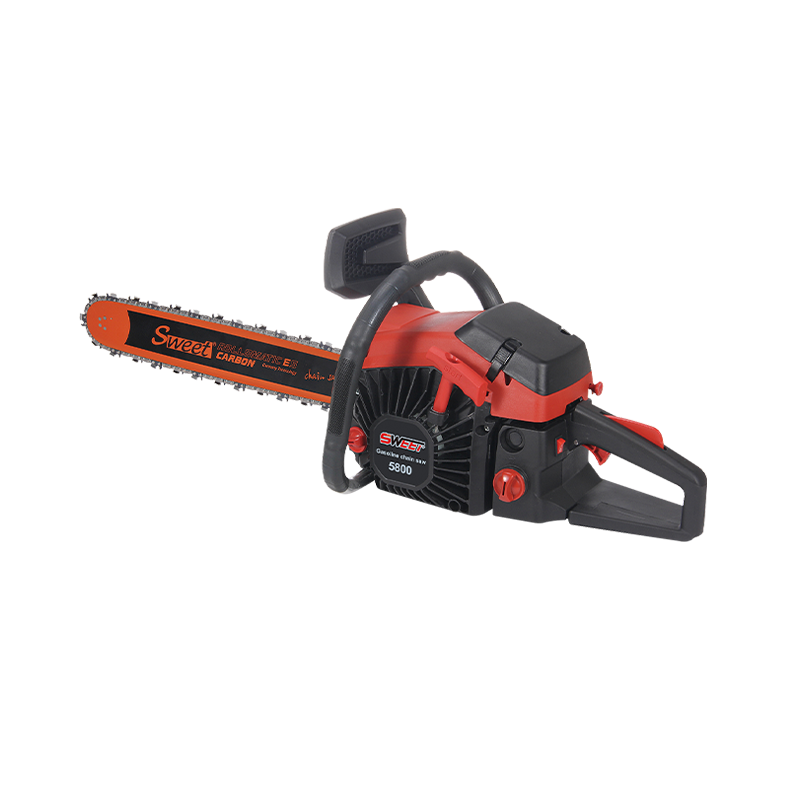
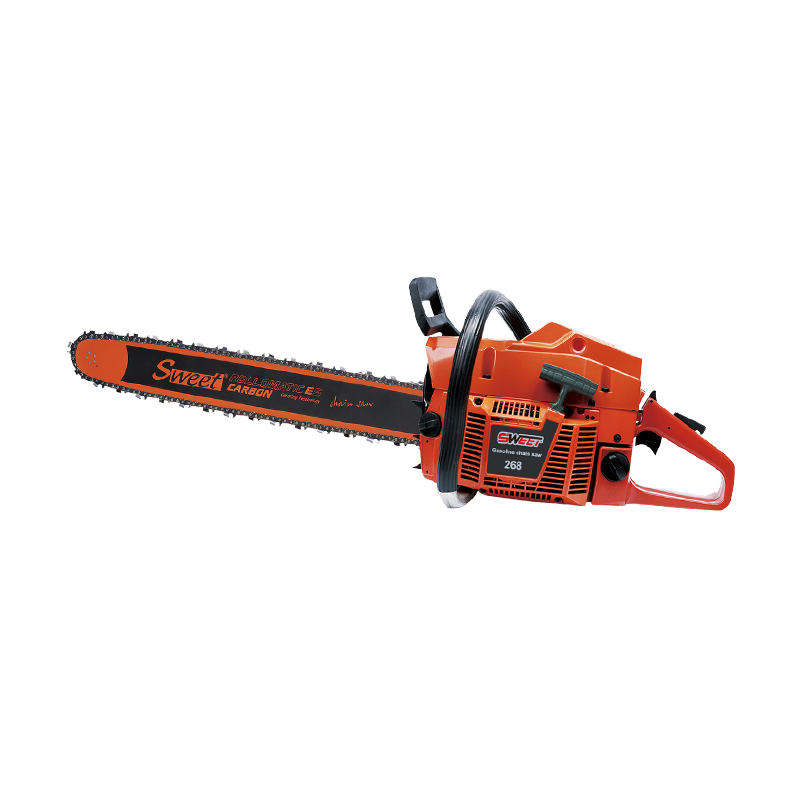
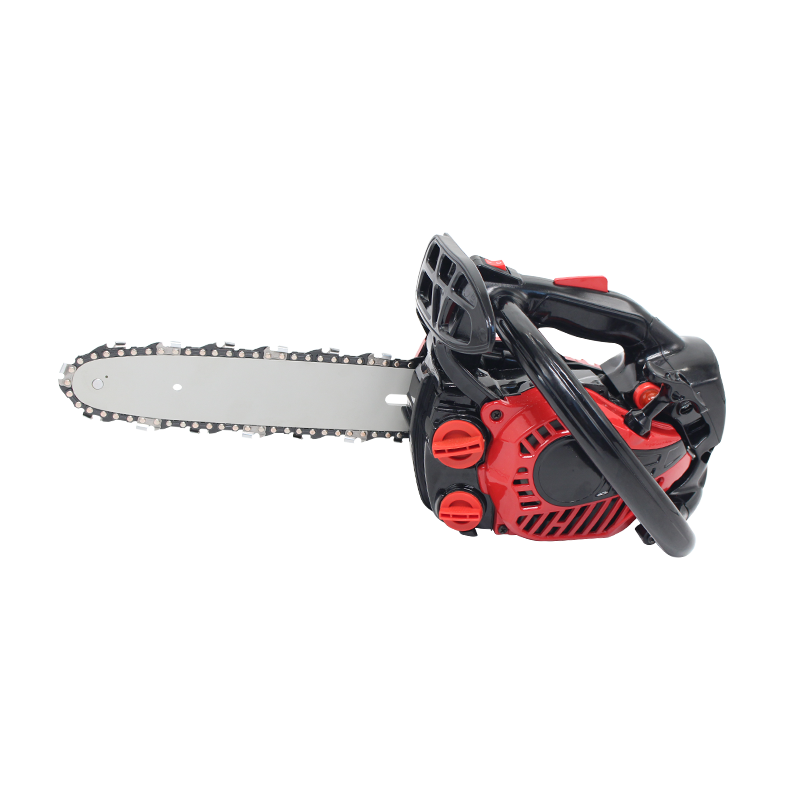
For importers, hardware wholesalers, and outdoor power equipment dealers, product quality affects more than the initial purchasing decision. Starting difficulties, loose components, inconsistent cutting performance, and missing spare parts can lead to customer complaints and additional service costs. A structured inspection process helps buyers identify potential issues before products reach the market. As a professional gasoline chain saw supplier, we believe that clear quality requirements and practical product checks are essential for building reliable international supply relationships.
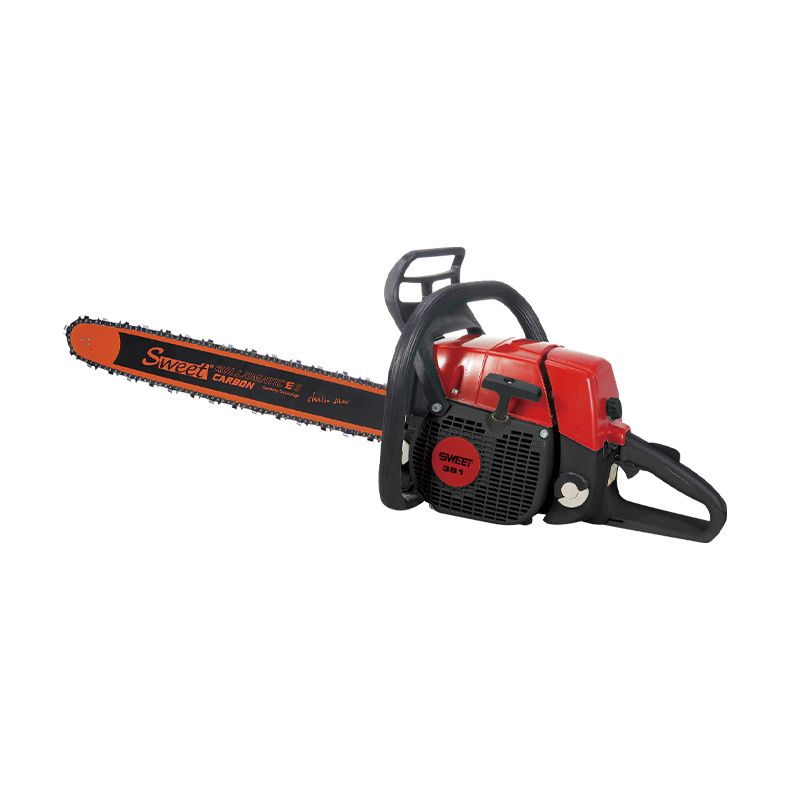
Inspect Key Components Before Shipment
A chainsaw contains several connected systems, including the engine, starter, fuel supply, cutting assembly, and safety devices. Problems with any of these components can affect the user experience.
Before confirming a bulk order, buyers should ask about the manufacturer's inspection procedures and acceptance criteria. Depending on the model and agreed specifications, checks may include external condition, fastener security, control operation, component compatibility, and visible assembly defects.
For larger orders, an agreed inspection checklist helps both parties understand the expected quality level. It also provides a clearer basis for resolving discrepancies between the approved sample and delivered products.
Verify Starting and Engine Operation
Starting performance is a practical concern for end users, especially contractors who depend on equipment throughout the working day. Difficult starting may result from incorrect starting procedures, fuel issues, maintenance problems, or component defects.
Buyers should clarify whether functional testing is included in the factory inspection process and what conditions apply. Where appropriate, inspection records can cover starting operation, throttle response, idle stability, and abnormal noise or vibration.
Testing procedures should follow the manufacturer's instructions and applicable safety requirements. A successful initial test does not eliminate the need for correct maintenance, but it can help identify certain assembly or operational problems before shipment.
Check Safety Devices and Control Functions
Safety-related components deserve specific attention during quality evaluation. The chain brake, throttle lockout, stop switch, hand guards, and chain catcher should be checked against the applicable product specifications.
Buyers should request clear documentation identifying the supplied safety features and relevant operating instructions. For markets with specific regulatory requirements, compliance documents should be verified before the order is finalized.
It is also important to confirm that product labels and manuals match the actual model. Accurate documentation helps distributors communicate product limitations, operating procedures, and maintenance requirements to their customers.
Confirm Cutting Attachment Compatibility
Guide bars and chains must match the chainsaw's approved configuration. Differences in chain pitch, gauge, drive links, or sprocket specifications can make replacement parts unsuitable even when they appear similar.
Before placing a wholesale order, confirm the exact cutting attachment specifications for each model. If the order includes spare chains, guide bars, or replacement sprockets, request a compatible parts list to reduce ordering errors.
For distributors serving several customer segments, maintaining accurate model-to-part records can simplify inventory management and make replacement recommendations more reliable.
Evaluate Packaging for International Shipping
Gasoline chainsaws contain components that require appropriate handling during transportation and storage. Packaging should protect the product from movement, impact, moisture exposure, and damage to exposed cutting components.
Buyers should confirm carton dimensions, internal protective materials, product identification labels, and packing arrangements before production. If shipments involve multiple models or accessories, clear carton markings can also make warehouse receiving and order verification easier.
Transportation and dangerous-goods requirements may apply depending on the shipment configuration, fuel status, destination, and transport method. Importers should confirm applicable requirements with their logistics provider before dispatch.
Establish Clear Warranty and Spare Parts Terms
After-sales support is an important part of supplier evaluation. Even well-maintained equipment may eventually require replacement components, so buyers should understand how service requests will be handled.
Before signing a purchase agreement, clarify warranty coverage, exclusions, claim documentation, spare-parts ordering procedures, and technical support channels. Lead times and availability should be confirmed rather than assumed.
For distributors, a clear process for reporting defects and identifying affected batches can also help manage customer concerns efficiently. These arrangements are particularly valuable when products are sold across multiple regions.
Build Confidence Through Consistent Quality Control
Reliable sourcing depends on verifiable specifications, suitable inspection procedures, compatible replacement parts, and transparent after-sales arrangements. Evaluating these factors before purchasing can help importers reduce avoidable risks and maintain customer confidence. As a gasoline chain saw supplier, we support international buyers by discussing product requirements, quality inspection expectations, packaging details, and spare-parts needs to help establish a more dependable procurement process.