
 English
 русский
 Español
 عربى
عربى
For overseas distributors and commercial landscaping buyers, choosing a brush cutter manufacturer exporter involves more than comparing unit prices. Product consistency, replacement parts, packaging, documentation, and after-sales support can directly influence the cost of operating a product line in another market. From a manufacturing perspective, these details need to be considered before production rather than handled after shipment.
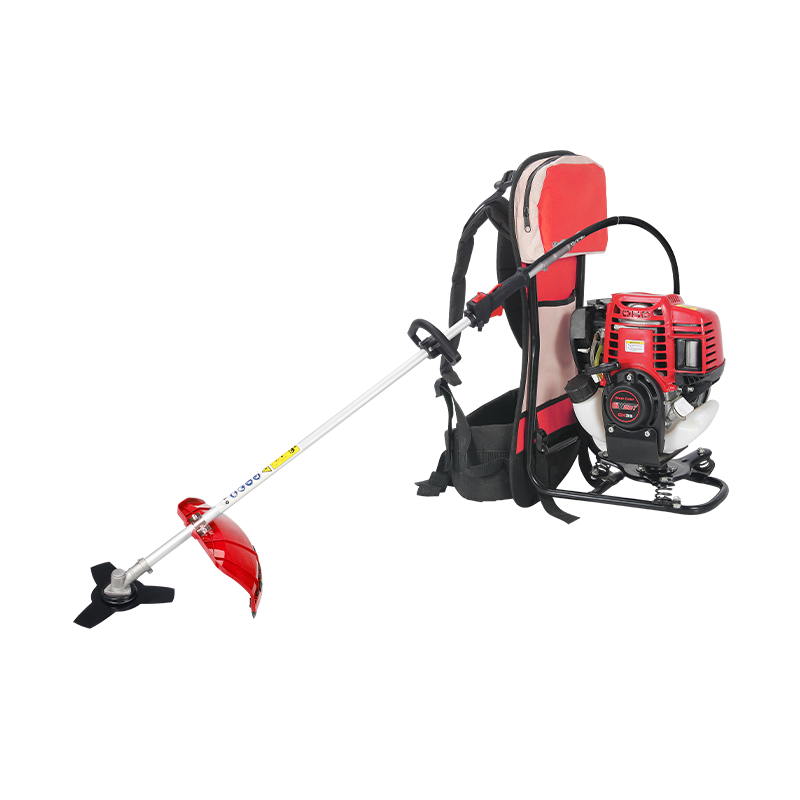
Consistent Assembly Supports Stable Operation
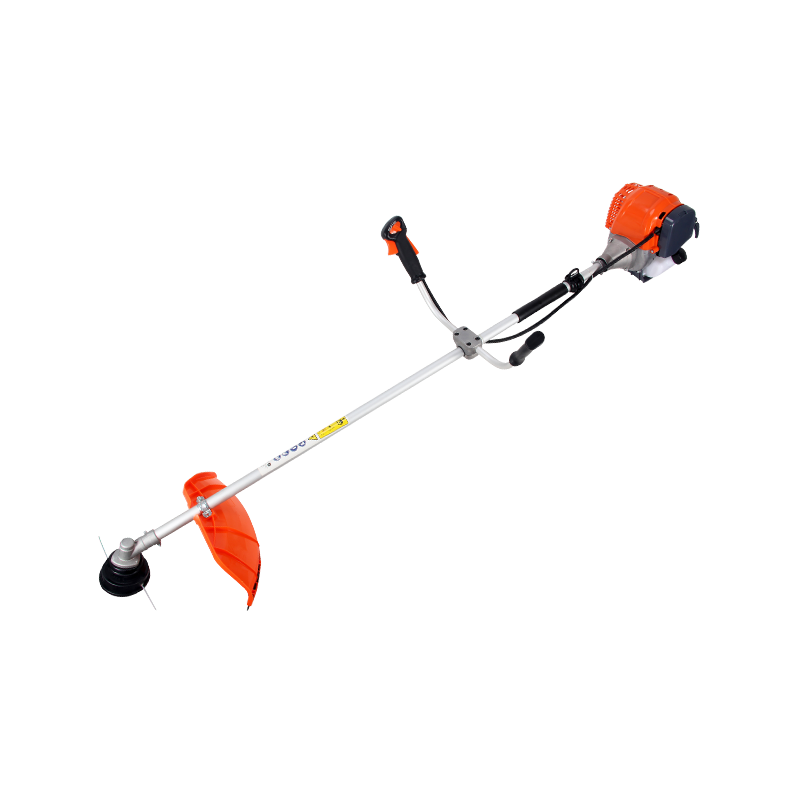
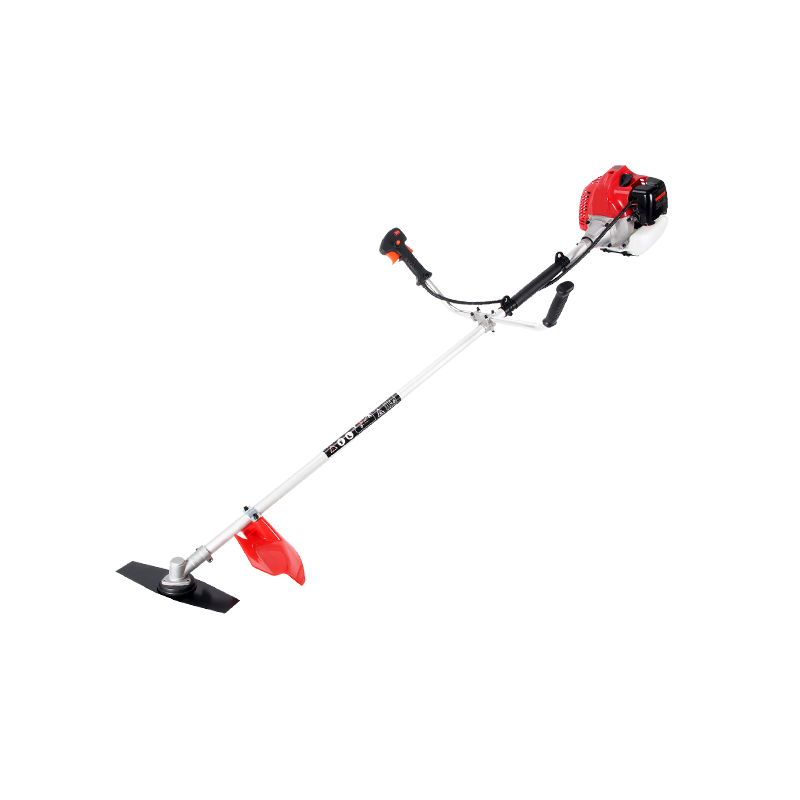
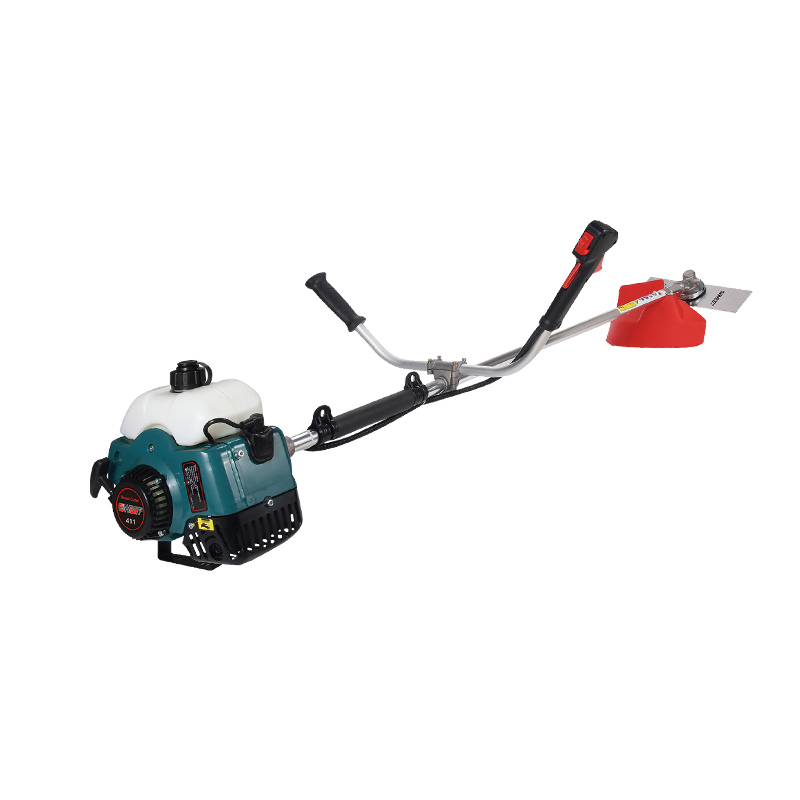
Brush cutters contain several connected systems, including the engine or motor, drive shaft, gearbox, cutting head, throttle controls, and handle assembly. Small inconsistencies during assembly can affect vibration, cutting response, or service life.
A controlled production process should therefore include inspection of key assemblies and functional testing before packing. For bulk buyers, consistent production also makes it easier to maintain the same product experience across different batches.
Cutting Attachments Should Match the Application
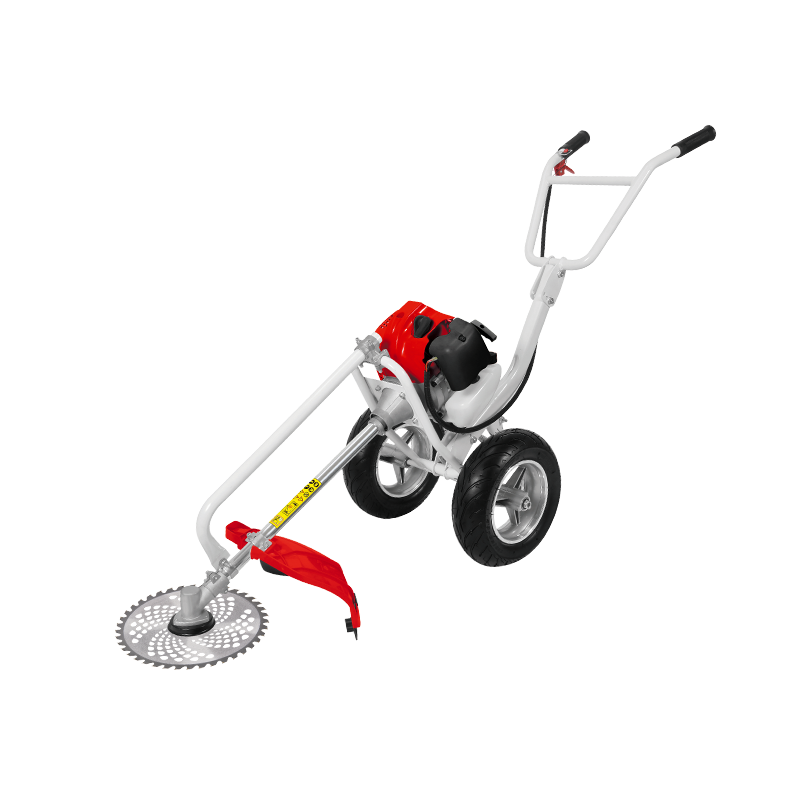
Different working conditions require different cutting solutions. Nylon line heads are commonly suited to grass and lighter vegetation, while metal blades can be considered for denser weeds and tougher growth.
When purchasing for resale, distributors should confirm the compatible cutting attachments, shaft specifications, and replacement options. Providing suitable combinations can also make the product easier to position for different user groups.
Key attachment considerations include:
- Compatibility with different vegetation types.
- Availability of replacement cutting components.
- Connection standards for accessories.
- Suitability for professional operating conditions.
Spare Parts Are Part of the Product Strategy
A machine may perform well at delivery, but replacement components will eventually be needed in regular commercial use. Parts such as cutting heads, blades, filters, spark plugs, harnesses, and drive components should therefore be considered during procurement.
As a manufacturer, we encourage buyers to establish a spare-parts list together with the initial order. This helps distributors respond to routine service requirements without waiting for a new production cycle.
Packaging Needs to Protect Long-Distance Shipments
Export transportation can involve multiple handling stages before products reach a warehouse or dealer. Packaging should protect vulnerable components while keeping product identification and accessories organized.
For private-label orders, packaging can also incorporate market-specific labels, user instructions, barcode requirements, and brand information. These details should be confirmed before mass production to reduce avoidable rework.
Documentation Helps Local Distribution
Different markets may require specific product information for dealers, technicians, and end users. Clear manuals should cover assembly, operation, routine maintenance, safety precautions, and basic troubleshooting.
For B2B buyers, accurate documentation can reduce repeated technical inquiries and help local service teams handle routine maintenance more efficiently.
Export documentation commonly includes:
- Operation manuals.
- Maintenance instructions.
- Safety information.
- Product specifications and accessory details.
OEM Orders Require Clear Technical Communication
OEM and private-label projects often involve changes to handles, colors, accessories, packaging, labels, or product specifications. These requirements should be confirmed through samples and technical documents rather than informal descriptions alone.
A structured approval process allows buyers and manufacturers to confirm the same specifications before production begins, particularly when large quantities are involved.
Reliable Export Supply Starts at the Factory
A dependable supply program combines production control, practical engineering, spare-parts planning, packaging protection, and export documentation. These factors can help distributors build a more manageable product line and reduce avoidable service issues after shipment.
As a brush cutter manufacturer exporter, we support overseas buyers with production, OEM and ODM coordination, accessory matching, quality inspection, packaging, and export preparation, helping businesses source brush cutters with clear specifications and more predictable supply.