
 English
 русский
 Español
 عربى
عربى
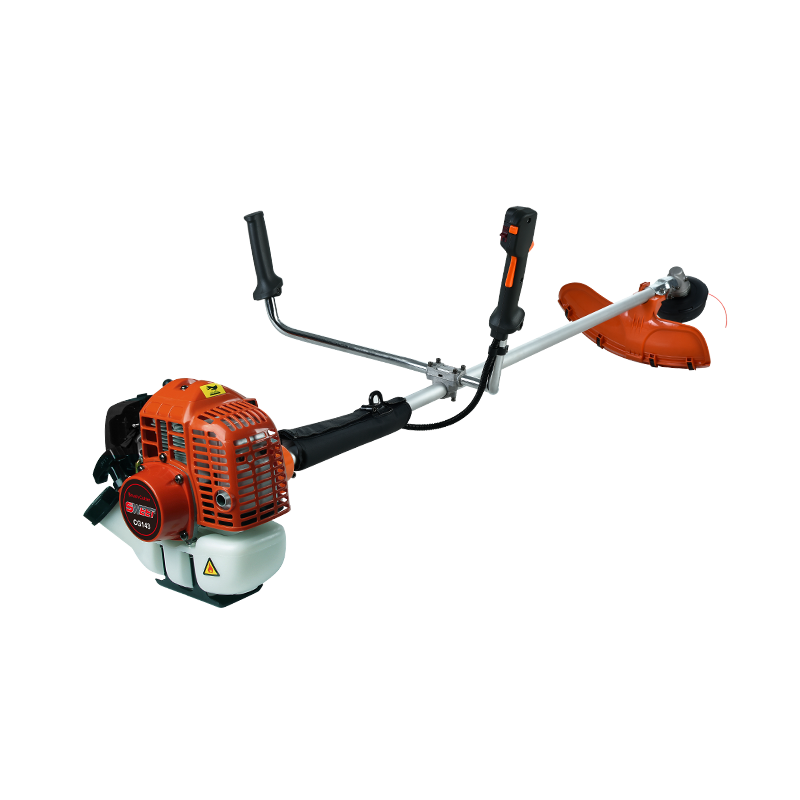
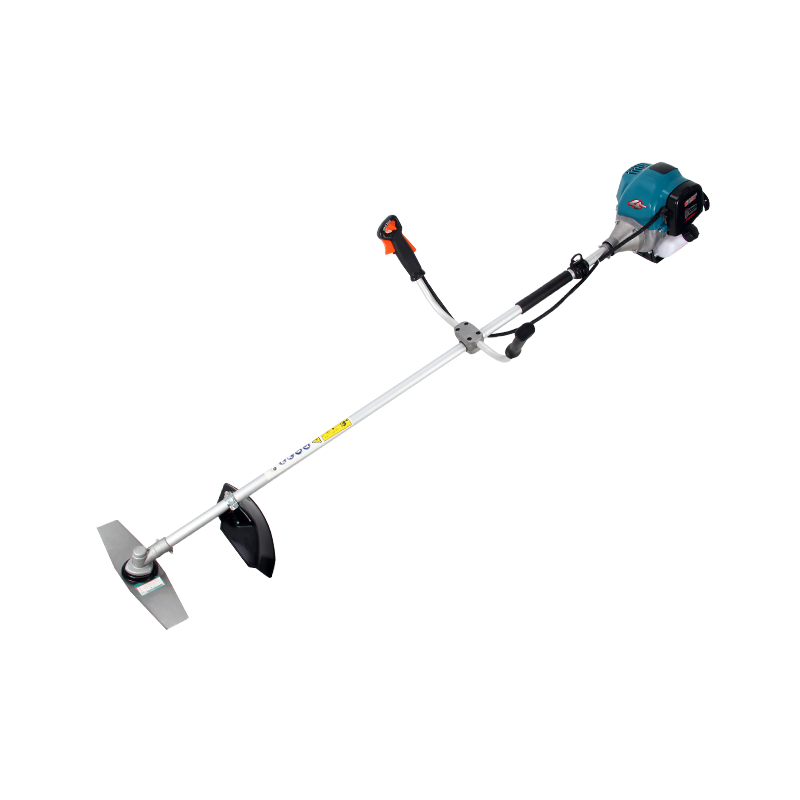
For overseas distributors, landscaping contractors, and agricultural equipment buyers, selecting a reliable brush cutter manufacturer exporter is increasingly tied to practical operating requirements rather than product appearance alone. Current sourcing discussions are placing more attention on cordless and fuel-powered options, serviceability, spare parts, operator comfort, and export-ready product configurations. As a manufacturer, we focus on these details during product development and production because they directly affect long-term purchasing value.
Matching Power Systems to Working Conditions
A brush cutter should be selected according to the vegetation, working duration, and terrain it will face. Battery-powered models can suit routine garden maintenance and areas where lower operating noise is important, while petrol brush cutters remain useful for demanding vegetation and longer outdoor work.
For distributors, carrying different power configurations can also help address varied regional demand without relying on a single product type. Understanding end-user applications allows buyers to build a product portfolio that matches different market requirements.
Reducing Maintenance Problems Through Practical Design
Maintenance costs can become a concern when machines are used frequently. Components such as air filters, cutting heads, drive shafts, spark plugs, and gear assemblies need to be accessible for inspection and replacement.
During manufacturing, we pay attention to component compatibility and assembly consistency. A design that allows routine maintenance without complicated disassembly can make servicing easier for distributors and professional users.
Important design considerations include:
- Easy access to common maintenance components.
- Stable connection between major assemblies.
- Suitable replacement part availability.
- Consistent performance during repeated use.
Cutting Performance Depends on More Than Engine Output
Buyers often compare engine displacement or motor power, but cutting performance also depends on the transmission system, cutting attachment, shaft structure, and balance of the complete machine.
A suitable combination helps the machine handle grass, weeds, and thicker vegetation without placing unnecessary stress on individual components. This is particularly important for commercial landscaping teams that use brush cutters repeatedly during seasonal work.
Operator Comfort Matters in Commercial Use
Long working periods can make vibration, handle position, machine balance, and harness adjustment important purchasing factors. A well-balanced brush cutter can reduce unnecessary physical strain and make directional control easier.
Manufacturing inspection should therefore cover not only basic starting and cutting functions but also handle assembly, shaft connection, throttle response, and other details that influence daily operation.
Spare Parts Planning Supports Export Buyers
For international buyers, spare parts availability can be as important as the initial equipment order. Common replacement items should be identified before shipment so distributors can prepare service inventory according to their market.
Useful export support may include:
- Replacement cutting heads and blades.
- Drive and transmission components.
- Filters and ignition-related parts.
- Harnesses and protective accessories.
- Product manuals and maintenance information.
This preparation can reduce service delays after products reach the destination market.
OEM and Private-Label Requirements Need Early Coordination
Private-label buyers often require more than logo printing. Packaging, color combinations, labels, manuals, accessory sets, and product configurations may need to match local sales channels.
As a brush cutter manufacturer, we recommend confirming these requirements during the quotation and sampling stage. Early technical communication helps avoid changes after mass production and makes export preparation more efficient.
Building a More Reliable Brush Cutter Supply Chain
For overseas buyers, a suitable supplier should combine stable manufacturing, practical product engineering, quality inspection, spare parts support, and clear export communication. These factors can make a significant difference after the equipment enters the market.
As an experienced brush cutter manufacturer exporter, we develop brush cutters around real working conditions and procurement requirements, supporting distributors and professional buyers with OEM, product customization, production coordination, and export-oriented solutions.