
 English
 русский
 Español
 عربى

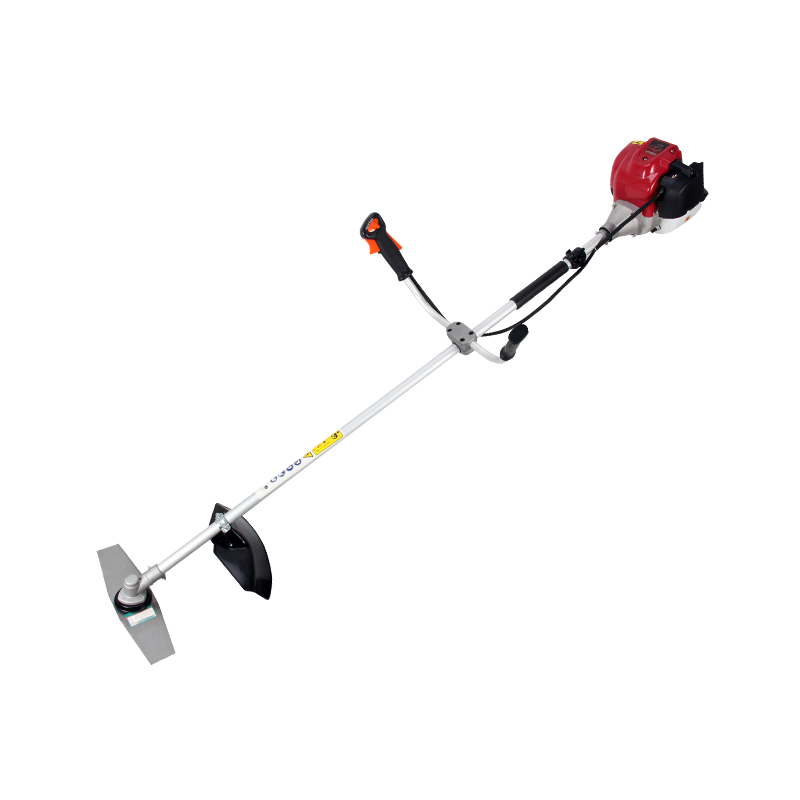
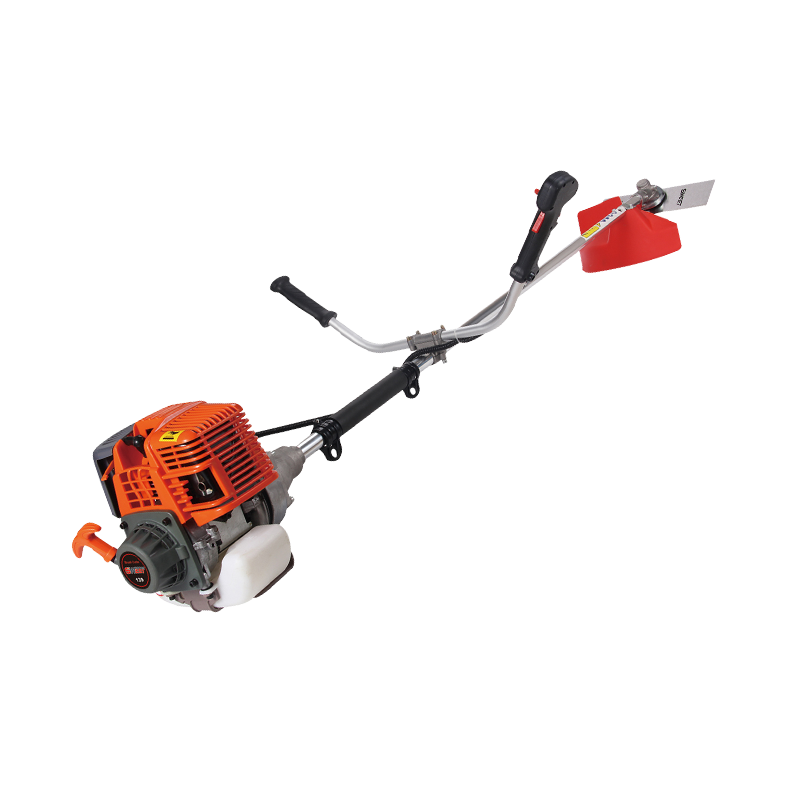
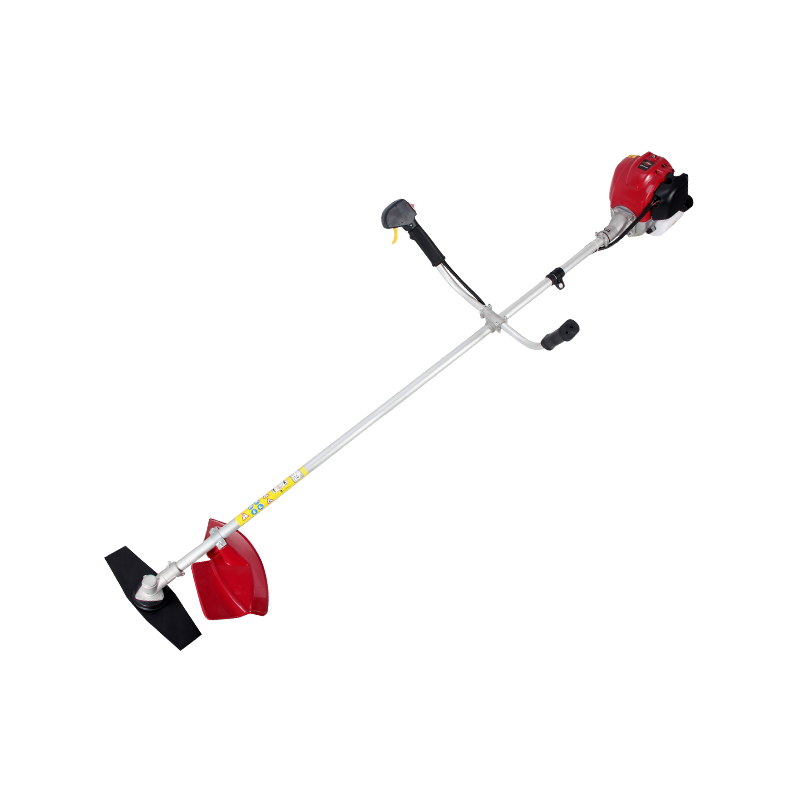
Brush cutters are widely used for garden maintenance, agricultural clearing, roadside vegetation control, and commercial landscaping. During regular operation, continuous vibration, contact with vegetation, and mechanical movement place stress on different equipment components. For overseas distributors and repair businesses, identifying the right replacement parts is important for maintaining equipment performance and avoiding repeated maintenance issues. As a brush cutter spare parts exporter and manufacturer, we focus on component compatibility, structural consistency, and practical quality requirements to support different replacement needs.
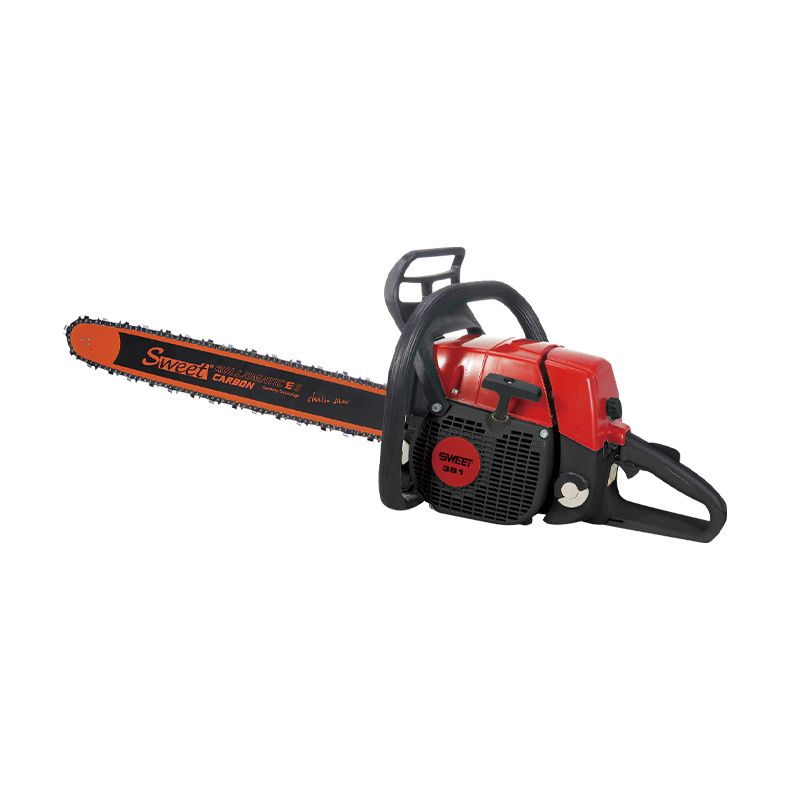
Unusual Vibration Can Indicate Component Problems
Excessive vibration is a common concern reported by brush cutter operators. It may result from an unbalanced cutting blade, loose fasteners, worn transmission components, or an incorrectly installed attachment.
Before replacing parts, maintenance technicians should inspect the equipment systematically. Checking blade condition, attachment connections, shaft alignment, and fastening points can help identify the source of vibration.
For distributors sourcing replacement components, accurate product specifications are particularly important because incompatible attachments may create additional operating problems.
Cutting Blades Need Consistent Dimensions
Cutting blades are exposed to repeated contact with grass, weeds, and tougher vegetation. Their condition and compatibility directly affect cutting performance.
When evaluating replacement blades, buyers should pay attention to:
- Outer diameter and blade thickness.
- Center hole and mounting structure.
- Cutting edge configuration.
- Material and surface finish.
- Compatibility with the intended brush cutter.
These details help repair businesses select suitable replacements instead of relying solely on visual similarities between products.
Drive Shafts and Gear Heads Require Proper Matching
The drive shaft and gear head work together to transfer power to the cutting attachment. Wear, poor alignment, or unsuitable replacement dimensions can affect power transmission and operating stability.
For wholesale purchasing, buyers should confirm shaft length, connection structure, gear head specifications, and equipment compatibility. Providing a sample or technical drawing can make communication between buyers and suppliers more accurate.
Manufacturing consistency also matters because small dimensional differences may create difficulties during assembly.
Cutting Head Compatibility Influences Daily Maintenance
Trimmer heads are frequently replaced because of regular contact with vegetation and ground surfaces. Different designs accommodate different cutting lines, installation methods, and operating requirements.
Distributors should distinguish between bump-feed, manual-feed, and other cutting head structures when organizing their product ranges. They should also confirm thread specifications and mounting connections before ordering.
A clearly categorized product selection makes it easier for retailers and repair workshops to identify the correct replacement.
Manufacturing Inspection Supports Product Consistency
From a factory perspective, spare parts inspection should reflect the function of each component rather than rely on appearance alone.
Important inspection areas include:
- Dimensional checks for mounting and connection points.
- Material and surface condition assessment.
- Thread accuracy and assembly fit.
- Structural inspection of load-bearing components.
- Packaging checks to protect products during transportation.
A consistent inspection process helps reduce specification differences between production batches and supports more predictable wholesale purchasing.
Clear Product Information Improves Export Communication
International buyers may use different equipment references, product names, and replacement part numbers. This can create confusion when discussing similar-looking components.
We encourage buyers to provide equipment models, photographs, drawings, or existing part numbers when requesting quotations. Suppliers can then check the available specifications and clarify compatibility before order confirmation.
For distributors developing private-label product lines, customized labels and packaging can also improve product identification in local markets, depending on manufacturing arrangements.
Building a Stable Replacement Parts Supply Channel
As brush cutters remain in use across landscaping, agriculture, and property maintenance, the need for replacement components continues throughout the equipment lifecycle. Buyers need suppliers who understand the relationship between cutting attachments, transmission systems, and equipment compatibility.
As a brush cutter spare parts exporter and manufacturer, we place importance on accurate specifications, production consistency, and clear communication. These factors help overseas distributors, repair workshops, and equipment suppliers source suitable replacement parts while developing a more stable long-term supply channel.