
 English
 русский
 Español
 عربى

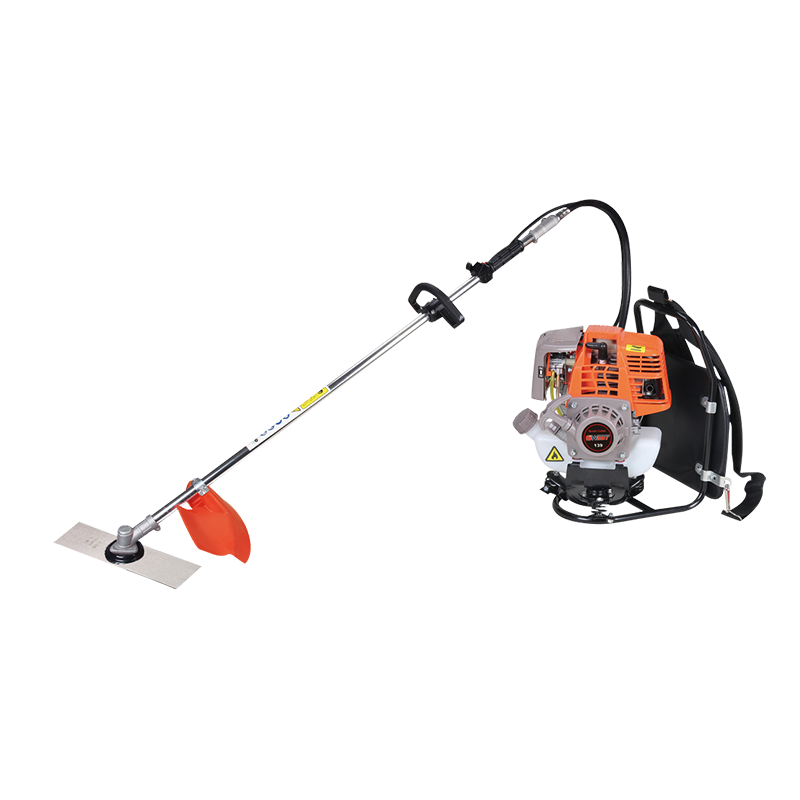
Seasonal changes bring different challenges to landscaping contractors, agricultural operators, and outdoor equipment distributors. During periods of intensive vegetation growth, brush cutters are used more frequently, placing additional demands on cutting attachments, transmission components, and other replacement parts. For overseas buyers, having access to compatible components before maintenance demand increases can help avoid unexpected equipment downtime. As a brush cutter spare parts exporter and manufacturer, we focus on the practical requirements of replacement parts sourcing, including product compatibility, component durability, and supply coordination.
Seasonal Usage Changes Replacement Part Demand
Brush cutters often experience heavier workloads during growing seasons, particularly in agricultural areas, roadside maintenance, and commercial landscaping projects. Increased operating hours can accelerate wear on cutting blades, trimmer heads, gear heads, and drive components.
For distributors, understanding these seasonal usage patterns helps with inventory preparation. Instead of ordering replacement parts only after customers report equipment failures, buyers can review previous sales patterns and identify components that require regular replenishment.
Cutting Attachments Require Application-Based Selection
Different vegetation types require different cutting solutions. Using an unsuitable attachment may affect cutting efficiency, increase vibration, or place unnecessary stress on the equipment.
Common considerations include:
- Blade structure and cutting edge design.
- Attachment diameter and mounting compatibility.
- Material suitability for the intended vegetation.
- Connection stability during operation.
- Compatibility with the brush cutter's rated specifications.
When sourcing replacement blades and cutting heads, distributors should provide equipment details rather than relying on product appearance alone.
Transmission Components Deserve Closer Inspection
The transmission system transfers power from the engine or motor to the cutting attachment. Components such as gear heads, drive shafts, and clutch assemblies therefore play an important role in equipment operation.
Unusual vibration, abnormal noise, or reduced power transmission may indicate that certain components require inspection. However, these symptoms can have different causes, so maintenance teams should examine the complete assembly before replacing individual parts.
For bulk buyers, consistent dimensions and suitable component connections are important when selecting transmission replacement parts for different brush cutter models.
Storage Conditions Affect Spare Parts Management
Spare parts may remain in warehouse inventory for extended periods before reaching repair workshops or end users. Improper storage can affect packaging condition and expose certain metal components to moisture or contamination.
Distributors should consider several warehouse practices:
- Store metal components in a dry, ventilated environment.
- Keep small accessories separated and clearly labeled.
- Protect cutting edges during handling and transportation.
- Organize inventory according to product type and compatible models.
These measures help maintain product condition and make warehouse picking more efficient.
Product Identification Reduces Ordering Mistakes
Many brush cutter components have similar external shapes but different dimensions or connection structures. This creates challenges for overseas distributors managing replacement parts across multiple equipment categories.
Manufacturers can support buyers by providing product photographs, technical specifications, part references, and packaging identification. When a replacement component is difficult to identify, drawings or physical samples can help confirm the required specifications before production or shipment.
Wholesale Buyers Need Consistent Supply Coordination
For importers and equipment distributors, purchasing decisions involve more than individual product quality. They also need to consider mixed-model orders, packaging requirements, lead-time communication, and replenishment arrangements.
A clear purchasing process should cover product selection, specification confirmation, sample evaluation when necessary, and shipment details. OEM packaging and labeling can also help distributors maintain consistency across their own product ranges, subject to the supplier's production capabilities.
Supporting Maintenance Businesses Beyond the Cutting Season
Demand for replacement components does not disappear when intensive landscaping work slows down. Repair workshops, agricultural equipment dealers, and machinery distributors continue to require compatible parts for routine servicing and equipment restoration.
As a brush cutter spare parts exporter and manufacturer, we recognize that reliable sourcing starts with understanding how each component is used. By focusing on compatibility, product identification, storage, and supply coordination, we aim to help overseas buyers maintain a practical spare parts inventory and support the long-term maintenance needs of brush cutter users.