
 English
 русский
 Español
 عربى

As landscaping, agricultural maintenance, and vegetation management continue to rely on brush cutters, the demand for dependable replacement components remains closely connected to equipment performance and service life. For overseas distributors, repair workshops, and landscaping equipment suppliers, sourcing suitable parts is not simply about finding replacements at competitive prices. Compatibility, wear resistance, stable supply, and ease of installation all influence purchasing decisions. As a brush cutter spare parts exporter and manufacturer, we pay close attention to these practical requirements and help buyers identify components that match different equipment models and operating conditions.
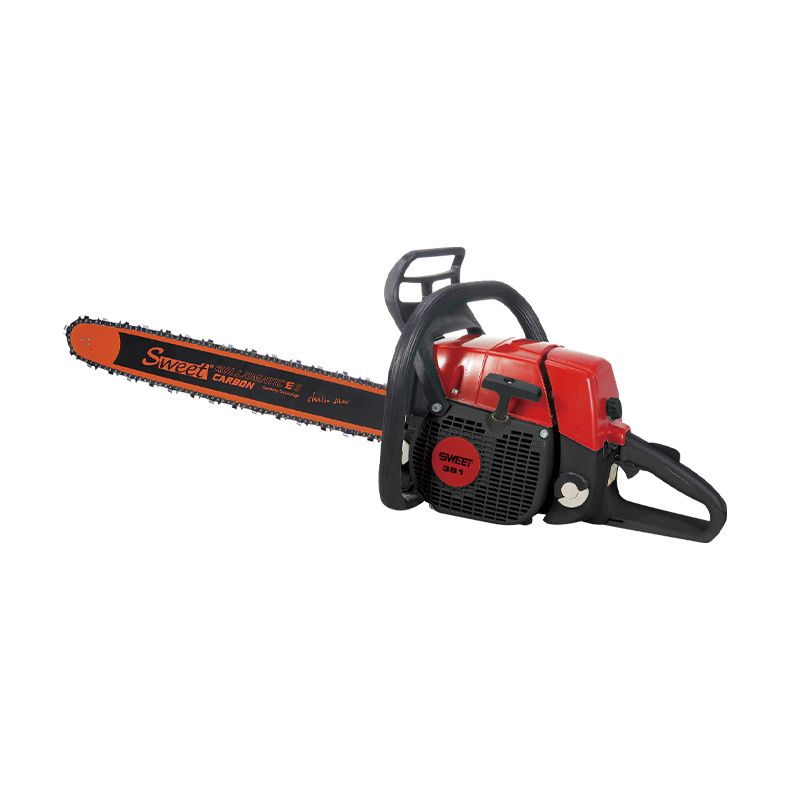
Replacement Compatibility Remains a Key Purchasing Concern
One common problem faced by distributors and maintenance teams is receiving spare parts that look similar but do not fit the intended equipment. Differences in mounting dimensions, shaft connections, thread specifications, and component structures can lead to installation difficulties or equipment downtime.
Before placing bulk orders, buyers should confirm:
- Equipment model and compatible part numbers.
- Mounting dimensions and connection types.
- Engine or motor configuration.
- Material and structural requirements.
- Product drawings or reference samples when necessary.
Clear compatibility information helps reduce ordering errors and makes inventory management more manageable for overseas distributors.
Frequently Replaced Components Need Practical Quality Control
Brush cutters operate in demanding outdoor environments where dust, grass residue, vibration, and repeated mechanical loads can affect component condition. Cutting heads, blades, drive shafts, gear heads, clutch components, and other replacement parts may experience different levels of wear depending on usage frequency and working conditions.
From a manufacturing perspective, quality control should focus on the actual function of each component. Dimensional accuracy, connection stability, material consistency, surface treatment, and assembly fit are important inspection considerations. These details help buyers reduce avoidable returns and provide more reliable after-sales support.
Matching Spare Parts to Different Working Conditions
Not every brush cutter operates under the same conditions. Equipment used for residential garden maintenance may have different replacement requirements from machines used for roadside vegetation control, farmland clearing, or commercial landscaping.
For example, cutting attachments need to match the vegetation type and machine specifications. Gear components and drive shafts must also suit the equipment's transmission structure. Selecting replacement parts according to actual applications helps prevent unnecessary component stress and installation problems.
We recommend that buyers consider the intended working environment alongside the equipment model when developing their spare parts purchasing plans.
Inventory Planning Helps Distributors Reduce Supply Pressure
For importers and wholesale distributors, managing brush cutter spare parts inventory involves balancing product availability with storage costs. Frequently requested replacement components should receive priority, while less common parts can be sourced according to customer demand.
A practical inventory strategy may include:
- Keeping commonly used cutting attachments and wear parts available.
- Organizing components by compatible equipment models.
- Reviewing seasonal demand from landscaping and agricultural customers.
- Maintaining clear product identification and packaging information.
This approach helps distributors respond to repair requests without holding unnecessary quantities of slow-moving inventory.
OEM Requirements and Product Identification Matter
Overseas buyers increasingly pay attention to product identification, packaging consistency, and private-label supply when developing their own distribution channels. For businesses purchasing brush cutter replacement parts in bulk, clear labeling can simplify warehouse operations and reduce confusion between similar components.
OEM requirements may involve customized packaging, product labels, and specifications, depending on the supplier's actual production capabilities. Before confirming an order, buyers should communicate their branding requirements, packaging expectations, and technical documentation needs clearly.
Building a More Reliable Spare Parts Supply Process
A dependable supply relationship requires more than a product quotation. Buyers need consistent communication throughout product selection, sample confirmation, order processing, and shipment preparation.
As a manufacturer and brush cutter spare parts exporter, we understand that overseas customers need accurate product information to make purchasing decisions. Providing clear specifications, checking compatibility requirements, and maintaining communication about order details can help avoid misunderstandings between suppliers and distributors.
Supporting Long-Term Equipment Maintenance Demand
The replacement parts market is closely connected to the continued use of existing brush cutters. As distributors expand their product ranges and repair businesses handle different equipment models, access to compatible components becomes increasingly important. Working with a brush cutter spare parts exporter that understands product structures, application requirements, and wholesale supply needs can help overseas buyers maintain inventory continuity, serve their customers, and develop a more dependable replacement parts business.