
 English
 русский
 Español
 عربى
عربى
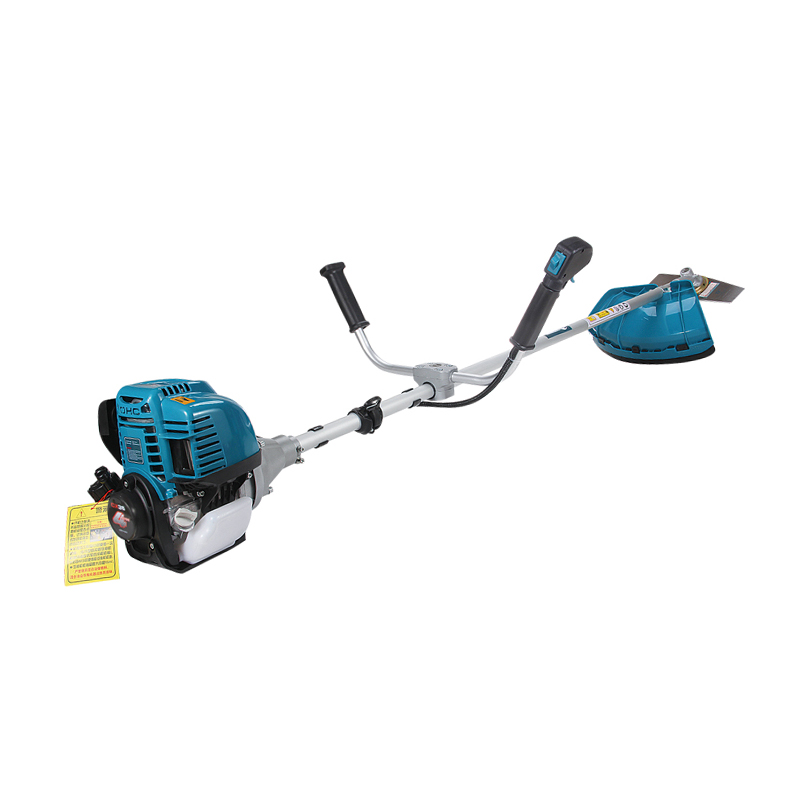
When maintaining large areas of land, from overgrown fields to rugged trails, the effectiveness of your equipment often depends on the seamless interaction of its components. Two elements that play a significant role in the functionality and longevity of a brush cutter are the brush cutter clutch housing and the range of available brush cutter accessories. Understanding how these parts contribute to the tool's operation can help users make informed decisions about maintenance and upgrades, ensuring the equipment performs consistently in various conditions.
The Role of Clutch Housing in Brush Cutter Design
The clutch housing is an integral part of a brush cutter's drive system. It encloses the centrifugal clutch, which is responsible for engaging and disengaging the cutting attachment based on the engine's speed. When the engine runs at a lower speed, the clutch remains disengaged, allowing the engine to idle without moving the cutting blade or string trimmer head. As the engine speed increases, centrifugal force causes the clutch shoes to expand and engage with the inner surface of the clutch housing, thereby transferring rotational energy to the cutting attachment.
This mechanism is not merely about starting and stopping the cutting tool; it directly influences how power from the engine is delivered to the cutting head. A well-designed clutch housing ensures that the engagement is smooth and consistent, reducing abrupt transitions that could strain the engine or the cutting components. By facilitating a controlled transfer of power, the clutch housing helps the brush cutter adapt to varying vegetation densities without stalling or losing momentum.
How Clutch Housing Contributes to Improved Power Transfer
Power transfer in a brush cutter refers to the efficiency with which engine output is converted into cutting action. The clutch housing supports this process in several practical ways. It provides a protective enclosure that shields the clutch mechanism from debris, dust, and moisture. Contaminants can cause the clutch to slip or wear prematurely, causing a loss of power. A durable, properly sealed housing maintains a cleaner internal environment, which supports consistent clutch performance.
Second, the housing's construction influences heat dissipation. During extended use, friction within the clutch generates heat. If this heat is not managed, it can affect the clutch's material properties and engagement behavior. A clutch housing designed with adequate ventilation or heat-resistant materials helps disperse excess heat, maintaining stable operation over longer periods. This stability allows the engine's power to be transferred to the cutting attachment with fewer interruptions.
Moreover, the alignment secured by the clutch housing ensures that the clutch and drive shaft interface correctly. Misalignment can cause vibrations, uneven wear, and a noticeable drop in cutting efficiency. By holding these components in position, the housing contributes to smoother rotation, which translates to more effective cutting performance, especially when dealing with tough brush or woody stems.
The Supporting Role of Brush Cutter Accessories
While the clutch housing is a fixed component, brush cutter accessories offer adaptability and help maintain the tool's condition. Accessories such as replacement blades, trimming heads, harnesses, and protective guards allow users to tailor the brush cutter to specific tasks. For instance, different blade types are suited for dense shrubs versus tall grass, enabling the tool to apply power more appropriately to the vegetation at hand.
From a power transfer perspective, using the correct accessory can reduce unnecessary load on the clutch and engine. A sharp, suitable blade cuts with less resistance, meaning the clutch does not need to manage as much torque fluctuation. Additionally, well-maintained accessories, like undamaged drive shafts or correctly tensioned harnesses, help the tool operate with less physical strain on the user and mechanical strain on the machine. This holistic approach to equipment setup supports the consistent power delivery that begins with the clutch mechanism.
Regular maintenance of both the clutch housing and accessories is encouraged for sustained performance. Checking the housing for cracks or debris buildup, and inspecting accessories for wear, are simple practices. In cases where the clutch shows signs of wear or slipping, consulting the provided user guides for troubleshooting or seeking technical support can help address issues. Having access to genuine spare parts, including clutch components, makes repairs straightforward, supporting the tool's functional longevity.
The interaction between the brush cutter clutch housing and selected accessories forms a foundation for effective power management in vegetation clearing tasks. The housing's role in protecting and enabling the clutch mechanism supports a consistent transfer of energy from the engine to the cutting tool. Meanwhile, appropriate accessories allow the machine to adapt to different challenges, promoting efficient operation. For those relying on brush cutters for landscaping, agriculture, or land management, paying attention to these components can contribute to a more predictable and satisfactory user experience, season after season.